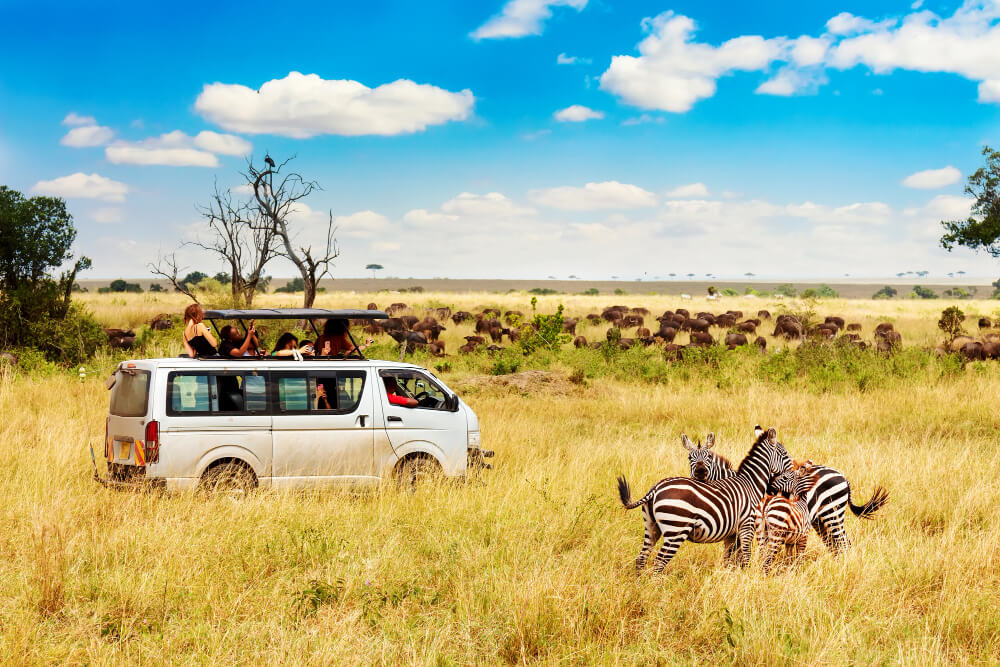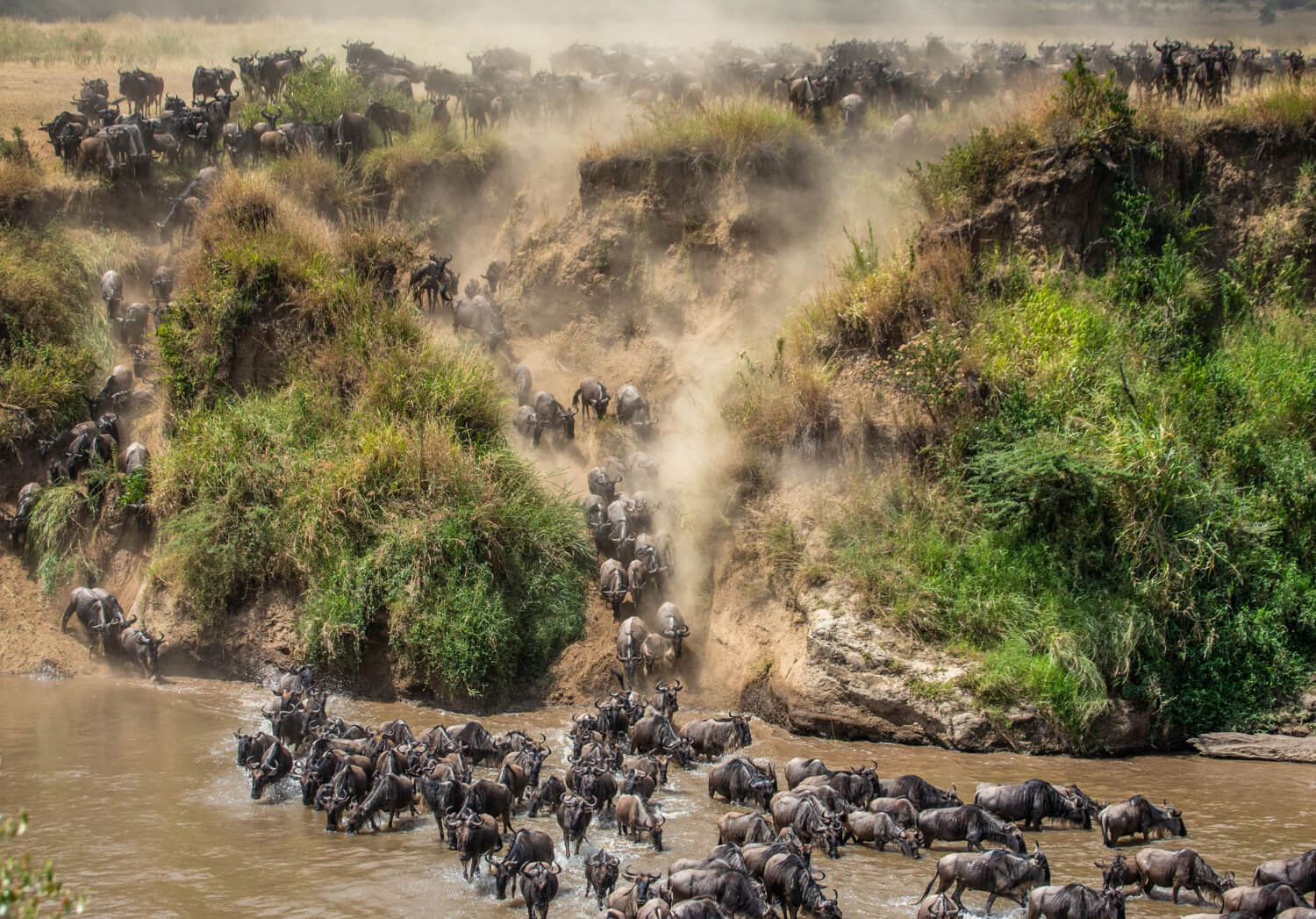

Reliable if Well-Maintained, Tanzania is one of Africa’s premier safari destinations, home to iconic national parks like the Serengeti, Ngorongoro Crater, Tarangire, and Selous. The country’s vast wilderness offers breathtaking wildlife encounters, but its rugged terrain—ranging from dense bushlands to rocky slopes and muddy river crossings—demands a reliable mode of transportation. Safari jeeps (often 4×4 Land Cruisers or Land Rovers) are the backbone of Tanzania’s tourism industry, but just how dependable are they when navigating these challenging landscapes?
This article explores the reliability of safari jeeps in Tanzania by examining:
The Types of Safari Vehicles Used
Key Factors Affecting Their Reliability
Common Mechanical Issues in Rough Terrain
Maintenance Standards Across Tour Operators
How to Choose a Reliable Safari Operator
By the end, you’ll have a clear understanding of what to expect from Tanzania’s safari vehicles and how to ensure a smooth, breakdown-free adventure.
Most safari operators in Tanzania rely on modified 4×4 vehicles designed to handle off-road conditions. The most common models include:
Why They Dominate: Known for durability, powerful engines, and high ground clearance.
Modifications: Upgraded suspension, reinforced chassis, and all-terrain tires.
Common Use: Long-distance safaris in Serengeti and Ngorongoro.
Pros: Excellent off-road capability, especially in muddy conditions.
Cons: Less common than Toyotas due to higher maintenance costs.
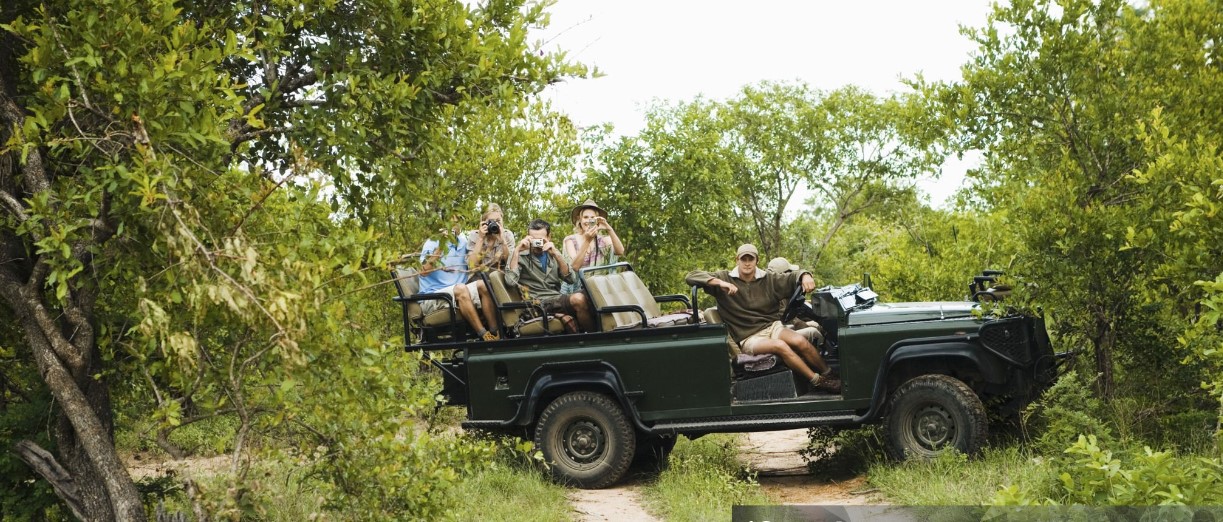
Design: Open-top for better game viewing, but may lack some ruggedness.
Best For: Short-distance safaris in parks like Tarangire or Lake Manyara.
Older Jeeps (10+ years): Cheaper but prone to breakdowns if poorly maintained.
Newer Models (0-5 years): More reliable but come at a higher tour cost.
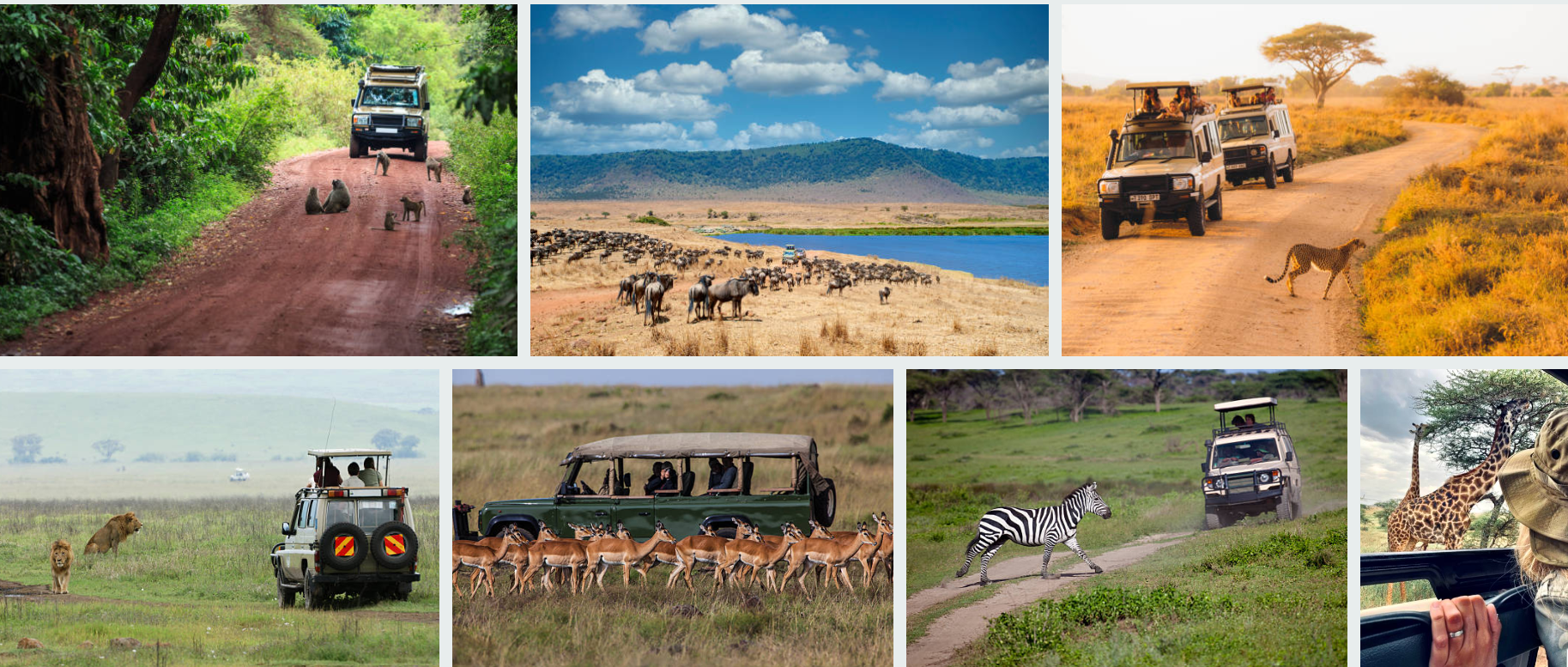
Several factors determine whether a safari jeep will hold up in Tanzania’s rough terrain:
Muddy Trails (Rainy Season): Requires excellent traction and 4WD engagement.
Rocky Paths (Ngorongoro Highlands): Needs strong suspension and skid plates.
Deep Sand (Selous & Ruaha): Demands low-range gearing and tire deflation.
Regular Servicing: Oil changes, brake checks, and suspension inspections are crucial.
Spare Parts Availability: Toyotas have better parts availability than Land Rovers.
Driver Expertise: Skilled drivers know how to handle rough patches without overstraining the engine.
Weight Distribution: Too many passengers or heavy luggage can strain the suspension.
Fuel & Water Carrying Capacity: Long trips require extra fuel, adding stress.
Rainy Season (March-May): Flooded roads increase the risk of stalling or getting stuck.
Dry Season (June-October): Dust can clog air filters, affecting engine performance.
Even the best safari jeeps can face problems in Tanzania’s wilderness. Some frequent issues include:
Cause: Repeated bumps on rocky or uneven roads.
Signs: Excessive bouncing, uneven tire wear.
Cause: Long drives in high temperatures, clogged radiators.
Solution: Regular coolant checks and radiator cleaning.
Cause: Thorns, sharp rocks, or underinflated tires.
Prevention: Heavy-duty tires and carrying 2-3 spares.
Cause: Water damage during river crossings or heavy rain.
Solution: Waterproofing critical components.
Cause: Rough gear shifts in 4WD mode, low-quality transmission fluid.
Signs: Grinding noises, difficulty shifting.
Not all safari companies maintain their fleets equally. Here’s what separates the best from the rest:
Fleet Age: Mostly newer models (<5 years old).
Maintenance Routine: Weekly inspections, professional mechanics on standby.
Spare Parts: Keep extras like belts, hoses, and fluids.
Fleet Age: Often older vehicles (10+ years).
Risk Factors: Delayed repairs, fewer spare parts, higher breakdown chances.
Cost Trade-Off: Cheaper tours but potential delays.
Balance: Mix of newer and well-maintained older jeeps.
Best For: Travelers wanting reliability without premium prices.
To minimize the risk of breakdowns, follow these tips when booking a safari:
Look for mentions of “well-maintained jeeps” or “frequent breakdowns” on TripAdvisor.
Operators with newer fleets (under 5 years) are safer bets.
Do they have mechanics on call? Satellite phones for help in remote areas?
Check tire condition, suspension, and engine noise before setting off.
Recommended operators include &Beyond, Nomad Tanzania, and Asilia Africa.
Yes—but with conditions. Well-maintained 4×4 Land Cruisers from reputable operators are highly reliable, even in Tanzania’s toughest terrain. However, budget safaris using older, poorly serviced vehicles may face breakdowns.
✔ Toyota Land Cruisers are the most dependable.
✔ Regular maintenance is non-negotiable for reliability.
✔ Rainy season increases risks of getting stuck.
✔ Always book with a reputable operator for fewer breakdown risks.
By choosing wisely, you can enjoy Tanzania’s wild beauty without worrying about vehicle failures. A reliable safari jeep ensures that your adventure remains focused on lions, elephants, and breathtaking landscapes—not mechanical troubles.