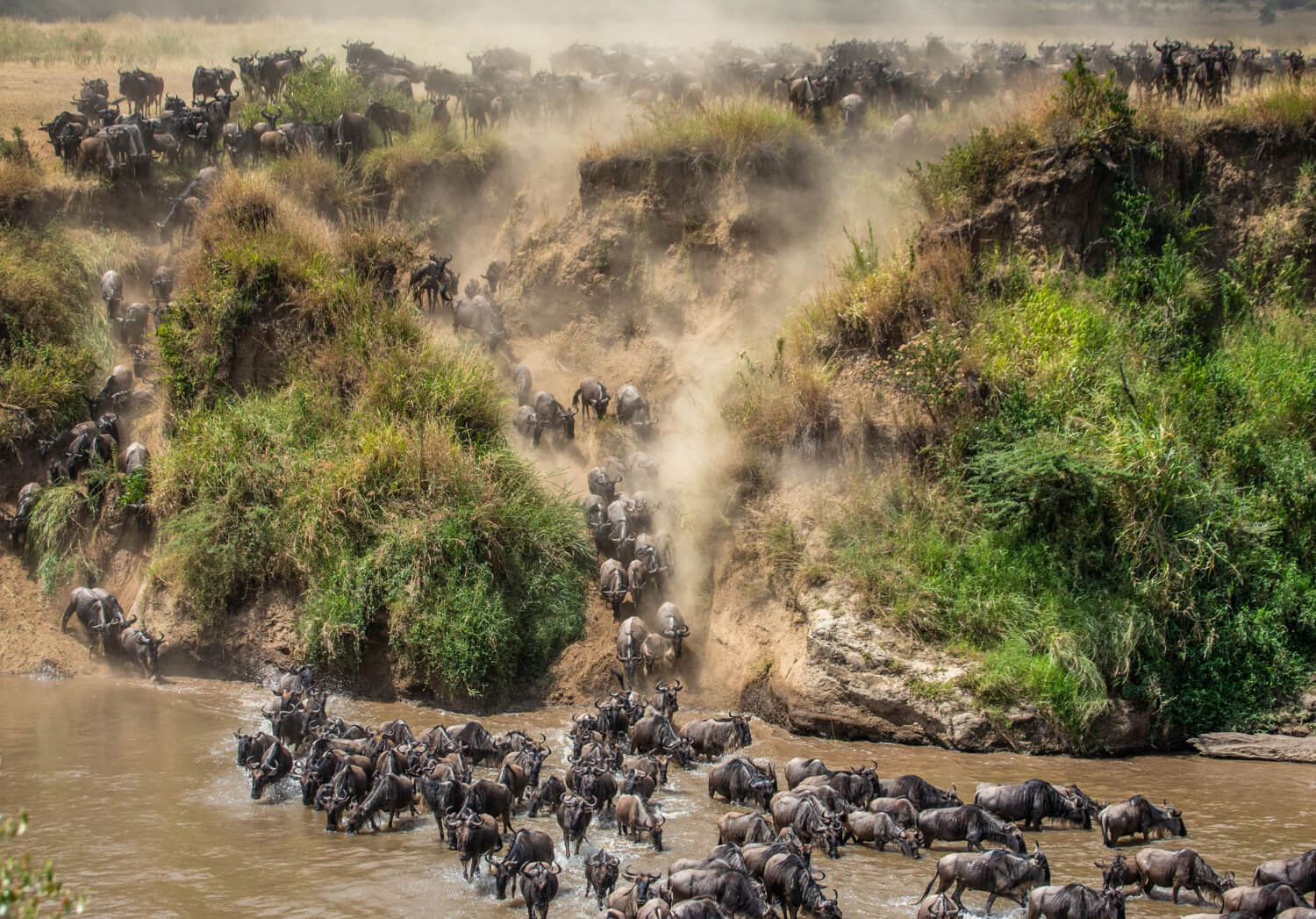

Cold morning safari temperatures, Tanzania is one of Africa’s premier safari destinations, renowned for its breathtaking landscapes and incredible wildlife. From the vast plains of the Serengeti to the majestic Ngorongoro Crater, early morning game drives are a quintessential part of the safari experience. However, many travelers are often unprepared for the chilly temperatures they encounter before sunrise.
In this article, we’ll explore just how cold it gets on early morning game drives in Tanzania, factors influencing the temperature, what to wear, and tips for staying comfortable while maximizing your wildlife sightings.
Tanzania has a varied climate due to its diverse topography, ranging from coastal regions to highland areas and savannahs. However, most safari destinations fall within the tropical savanna climate, characterized by distinct wet and dry seasons:
Dry Season (June – October): Cooler temperatures, especially in the mornings and evenings.
Wet Season (November – May): Warmer and more humid, with afternoon rains.
Early morning game drives typically occur between 5:30 AM and 8:00 AM, when temperatures are at their lowest.
The temperature on early morning game drives varies depending on location, altitude, and time of year:
Dry Season (June – October): 10°C – 15°C (50°F – 59°F) before sunrise.
Wet Season (November – May): 15°C – 20°C (59°F – 68°F) before sunrise.
The Serengeti’s open plains can feel even colder due to wind chill, especially in open-sided safari vehicles.
Year-round: 5°C – 12°C (41°F – 54°F) at dawn due to its high elevation (2,200m / 7,200ft).
Frost is possible in June and July.
Dry Season: 12°C – 18°C (54°F – 64°F).
Wet Season: 16°C – 22°C (61°F – 72°F).
Generally warmer, averaging 15°C – 20°C (59°F – 68°F) in the early morning.
Even if the thermometer reads 12°C (54°F), several factors make it feel much colder:
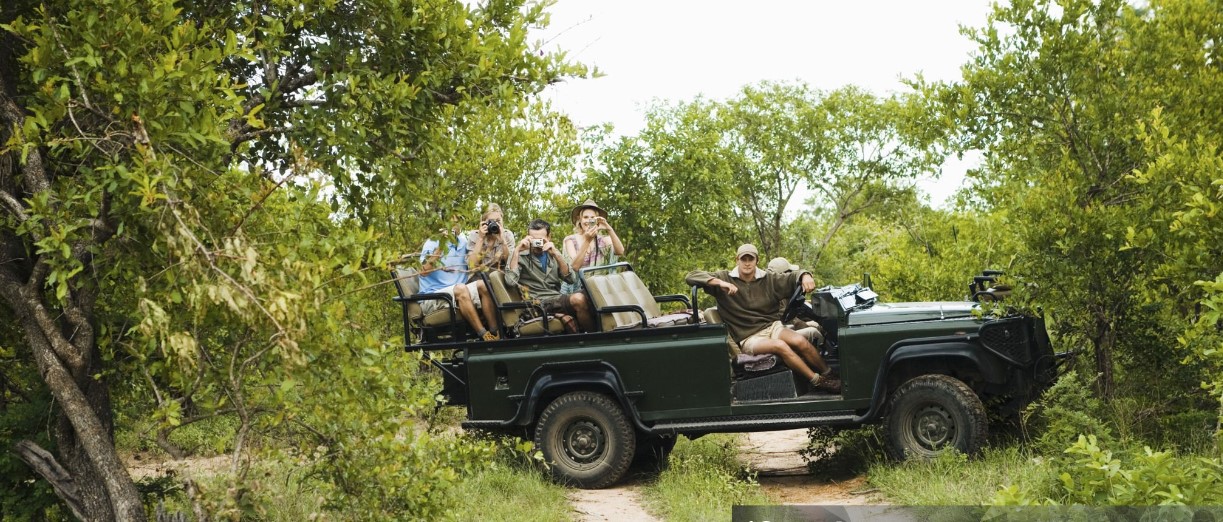
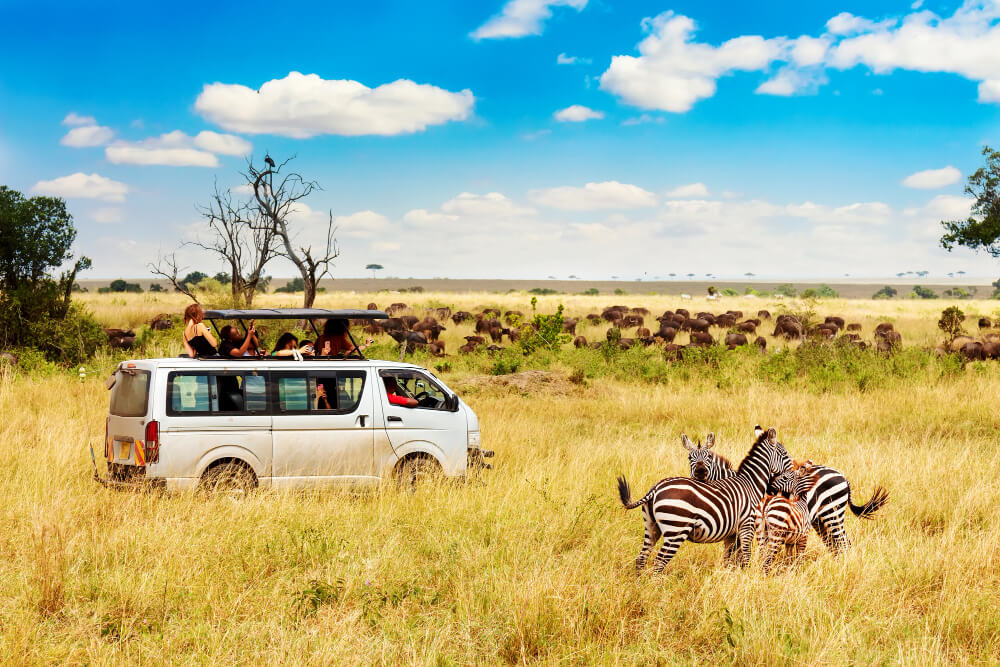
Open Safari Vehicles: Most game drive vehicles have no windows, allowing wind to rush through.
Pre-Dawn Departures: The coldest part of the day is just before sunrise.
High Elevation: Parks like Ngorongoro and parts of the Serengeti are at high altitudes, where temperatures drop significantly.
Low Humidity: Dry air feels cooler than humid air at the same temperature.
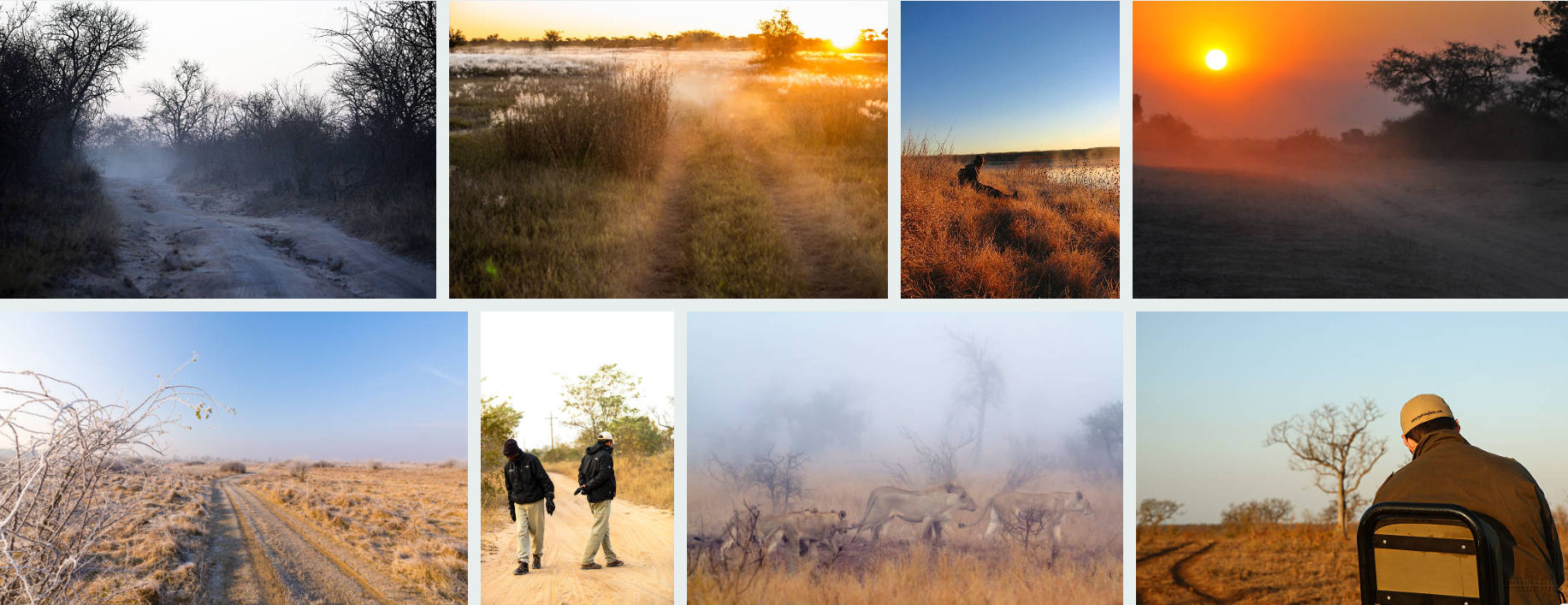
Packing the right clothing is essential for comfort. Here’s a recommended layering system:
Light thermal top and leggings (merino wool or synthetic fabric).
Avoid cotton, as it retains moisture and makes you colder.
Fleece jacket or down vest.
A warm sweater or hoodie.
Windproof jacket (lightweight but insulated).
A scarf or buff to protect your neck.
Long pants (safari trousers or lightweight hiking pants).
Thermal leggings underneath if very cold.
Gloves (fingerless ones allow camera use).
Beanie or warm hat (heat escapes from the head).
Thick socks and comfortable closed shoes.
A lightweight blanket or safari poncho (some lodges provide these).
Hand warmers (useful for extremely cold mornings).
Most safari vehicles are open-sided Land Cruisers or Jeeps with no heating. Some luxury lodges offer:
Heated seats (rare but available in high-end tours).
Blankets & Hot Water Bottles (common in premium safaris).
Pop-up Roofs (can be closed if windy).
If you’re sensitive to cold, check with your tour operator about vehicle amenities.
Ironically, the coldest hours offer the best wildlife activity:
Predators (lions, leopards, cheetahs) are more active in the cool mornings.
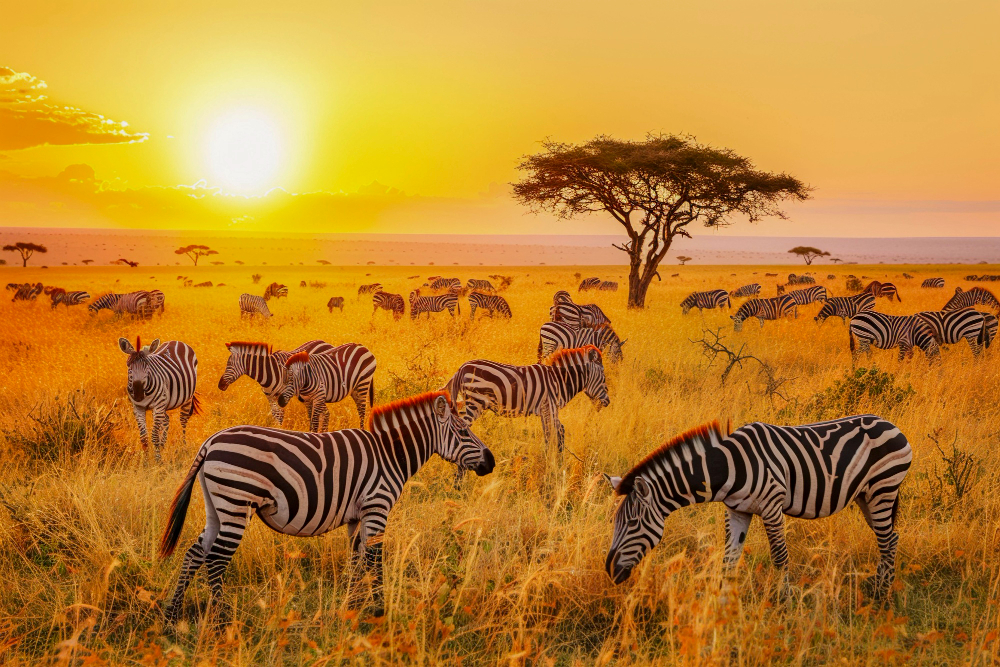
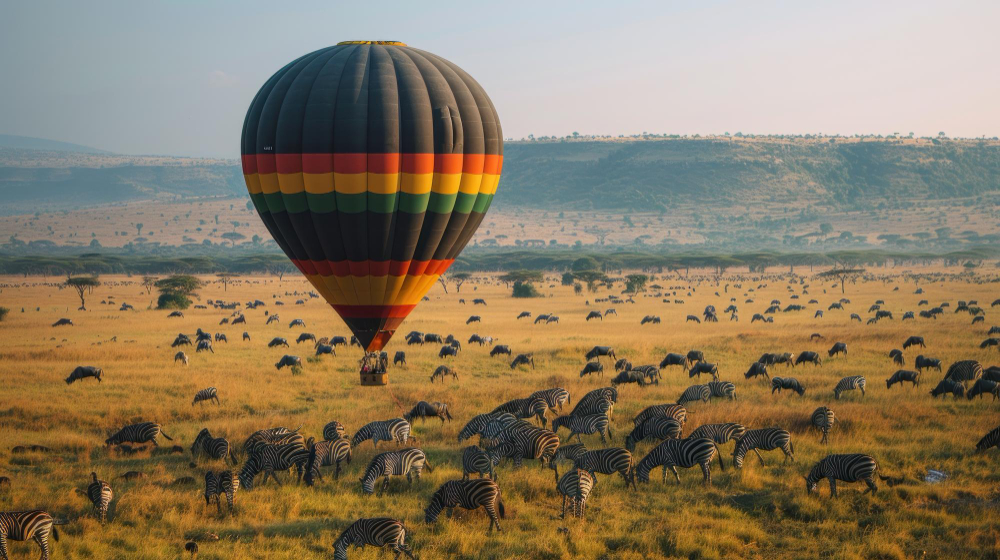
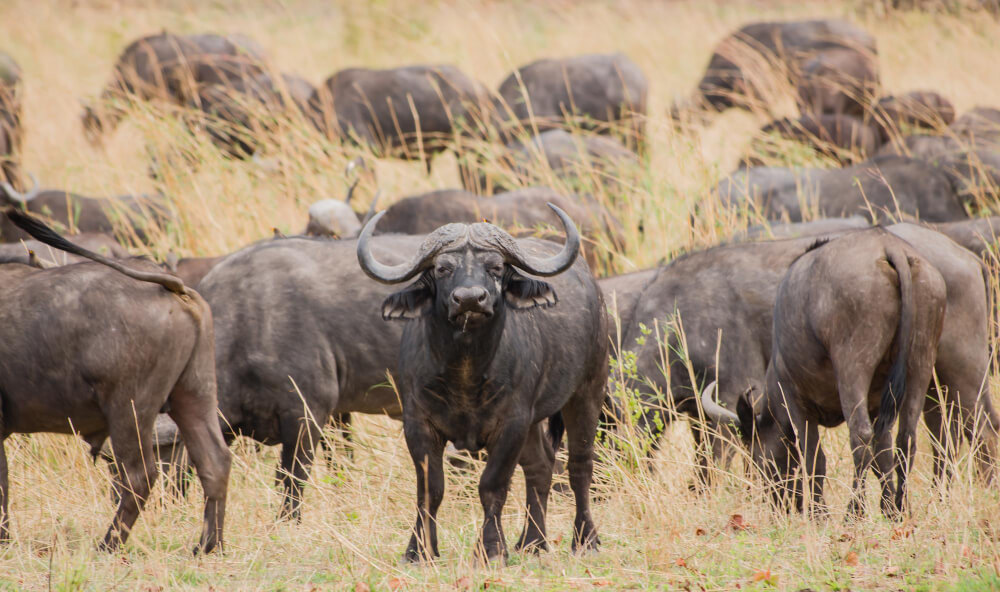
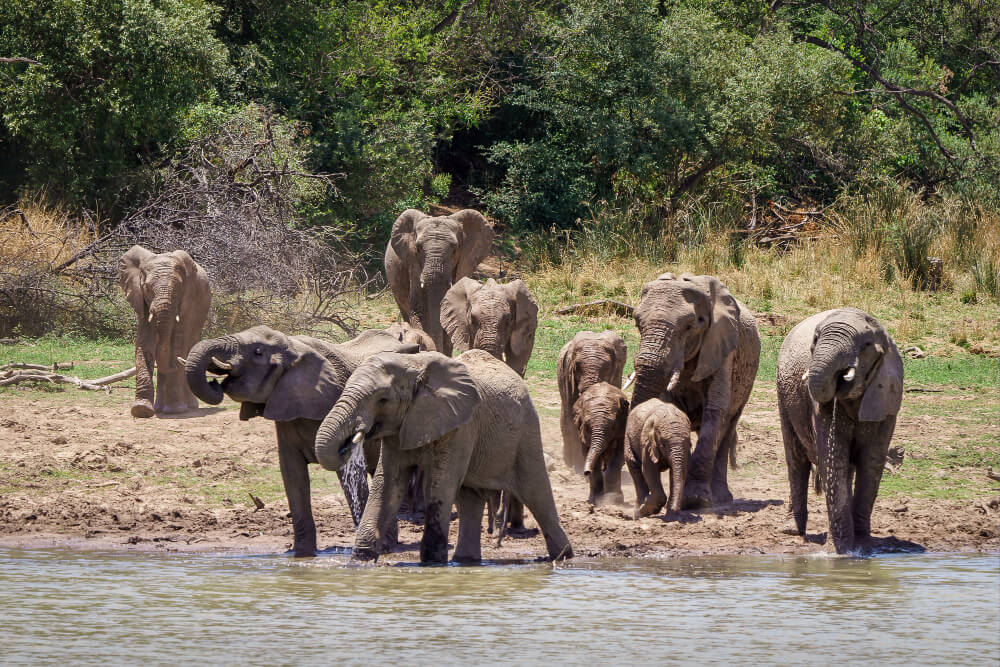
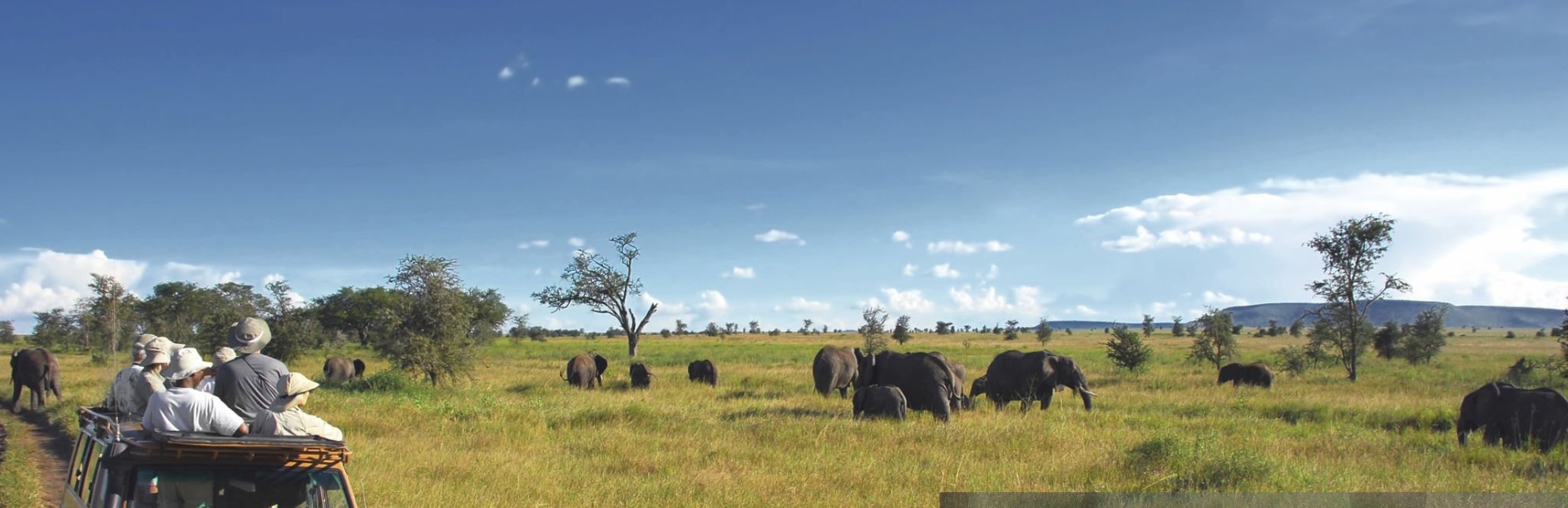
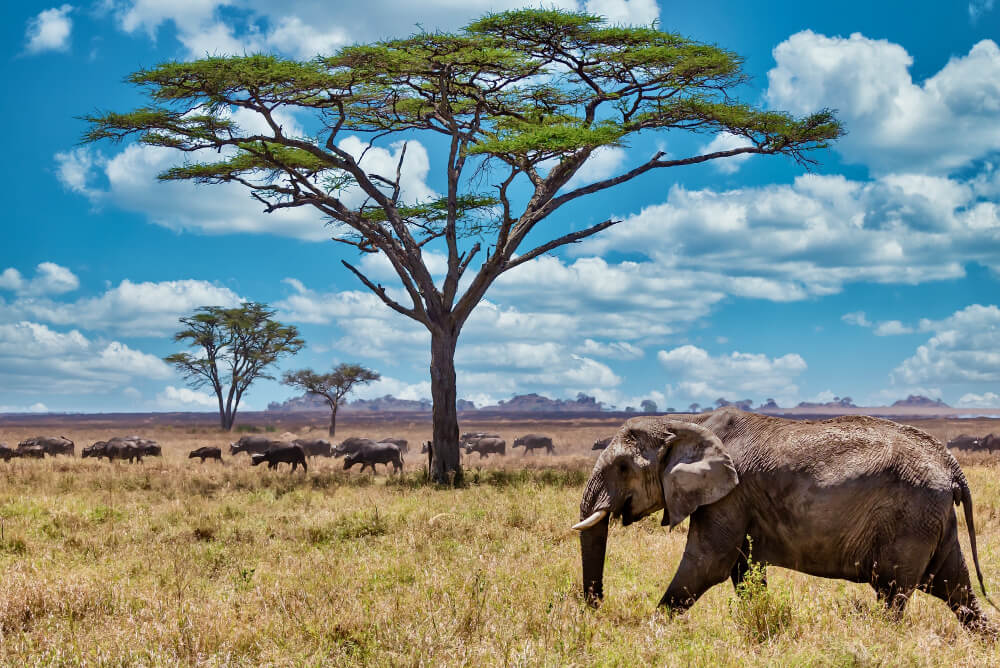
Herbivores (elephants, zebras, buffalo) graze before the midday heat.
Birds are especially vocal at dawn.
As the sun rises (around 7:30 AM), temperatures quickly climb, and animals retreat to shaded areas.
Dress in Layers – Peel off clothing as it warms up.
Bring a Thermos – Many lodges offer hot coffee or tea before departure.
Use a Blanket – Some guides provide them; ask in advance.
Sit Away from the Wind – If possible, choose a seat shielded from direct airflow.
Move Around at Stops – Light movement helps circulation.
Cover Exposed Skin – Face, ears, and hands lose heat fastest.
❌ Underestimating the Cold – Even if daytime temps are 25°C+, mornings can be frigid.
❌ Wearing Only Shorts & T-Shirts – You’ll regret it at dawn.
❌ Skipping Gloves & a Hat – Wind chill makes extremities freeze.
❌ Assuming Vehicles Are Heated – Most are not.
Early morning game drives in Tanzania can be surprisingly cold, especially in the dry season (June–October) and in high-altitude areas like the Ngorongoro Crater. Temperatures often range between 5°C and 15°C (41°F – 59°F), with wind chill making it feel even colder. However, with proper layering and preparation, you can stay warm while enjoying the best wildlife sightings of the day.
By packing smartly and understanding the climate, you’ll ensure that your safari experience is comfortable, memorable, and filled with incredible encounters with Tanzania’s magnificent wildlife.
Despite the chilly starts, early morning game drives are unmatched for wildlife viewing. The crisp air, golden sunrise, and active animals make it all worthwhile. So, pack those layers, grab a hot drink, and get ready for an unforgettable adventure in the wild!
Would you like recommendations for specific lodges or safari operators that provide extra warmth amenities? Let me know in the comments!