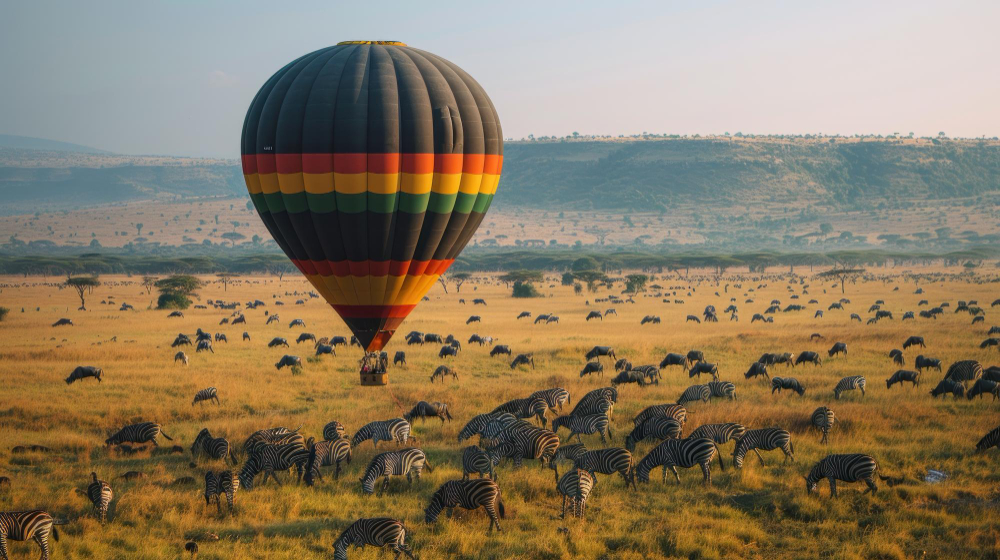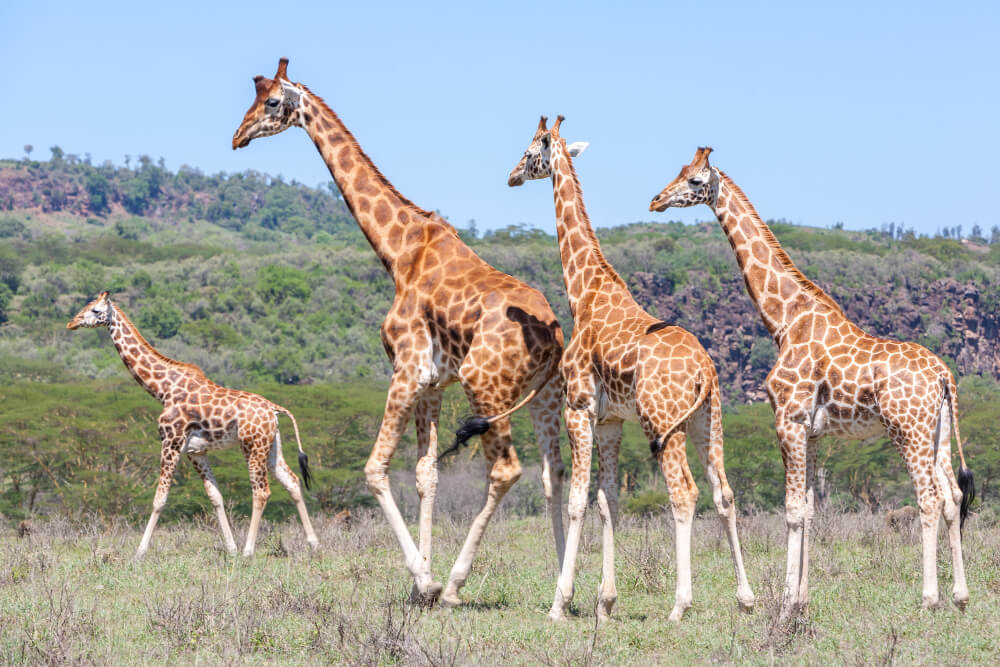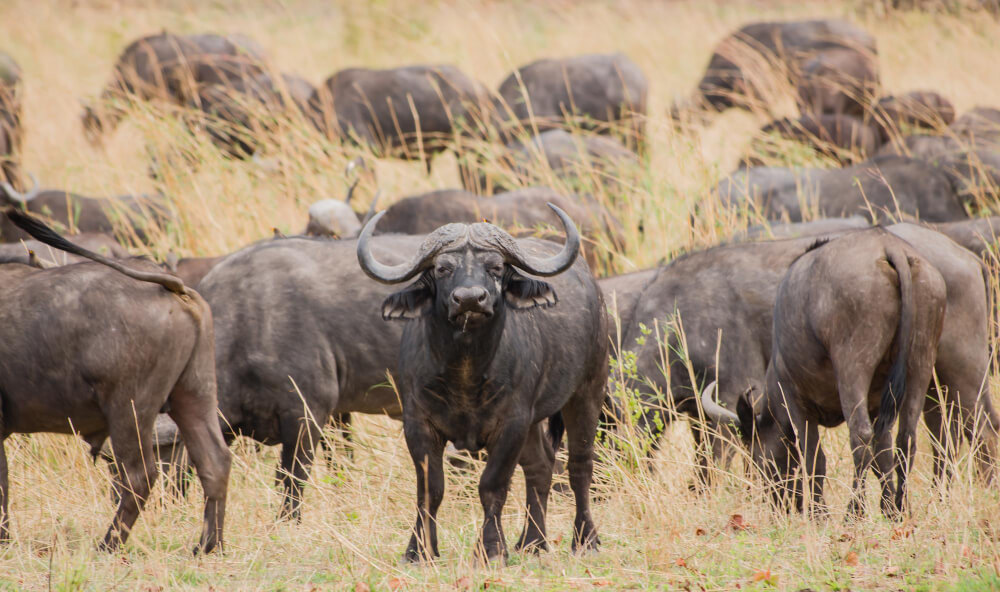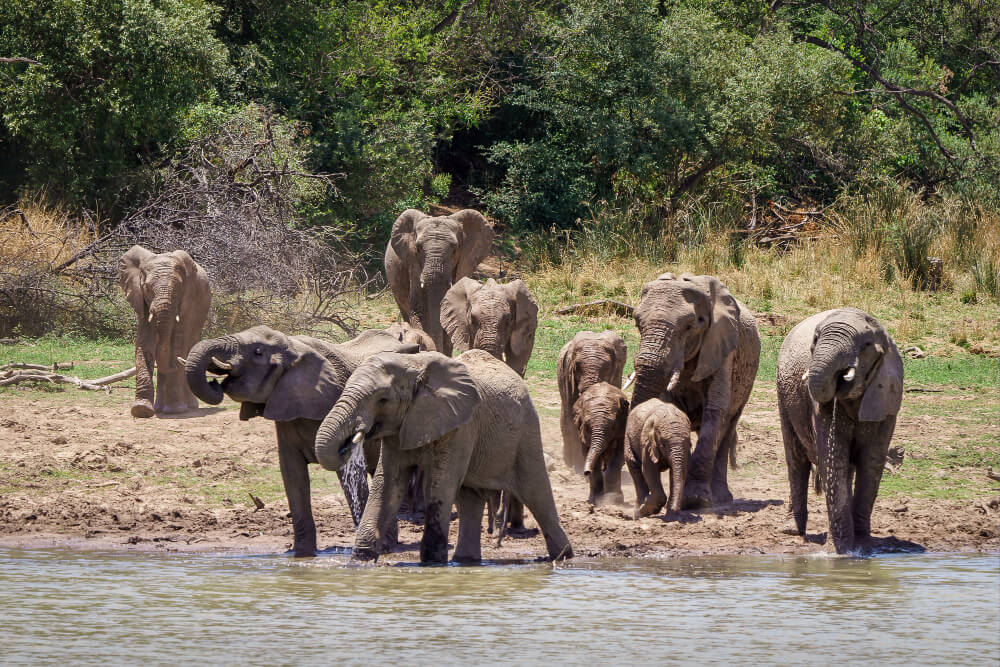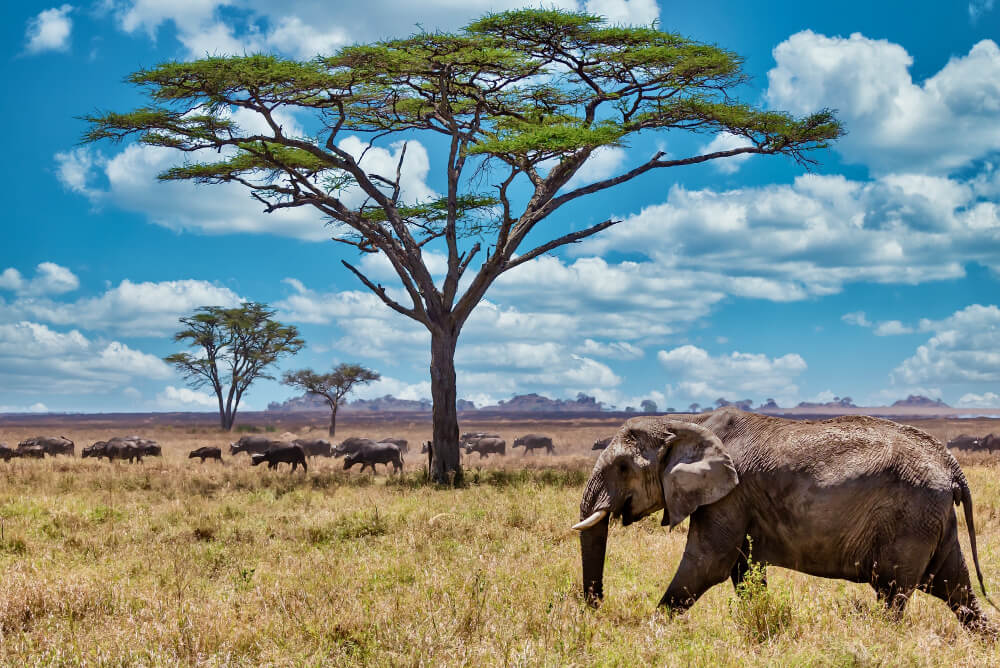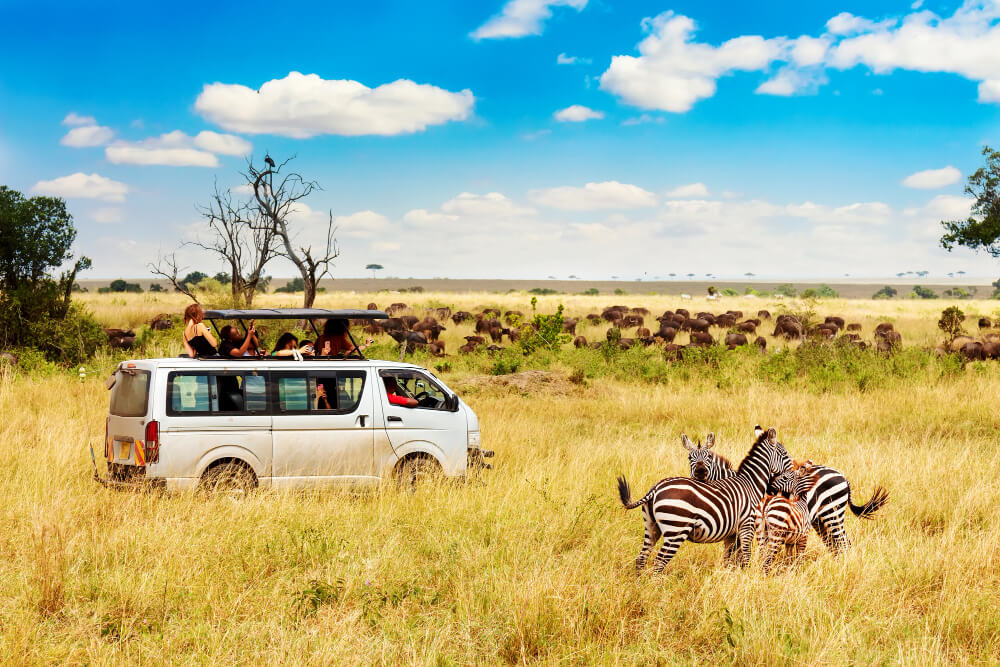

Arusha to Serengeti Drive, The journey from Arusha to the Serengeti National Park is one of the most iconic road trips in Tanzania, offering breathtaking landscapes, wildlife encounters, and a glimpse into East Africa’s stunning wilderness. However, the travel time can vary significantly depending on several factors, including the route taken, the type of vehicle used, road conditions, and stops along the way.
This comprehensive guide explores the different routes, estimated driving times, key attractions along the way, and essential tips for a smooth journey from Arusha to the Serengeti.
The distance between Arusha and the Serengeti National Park varies depending on the entry gate, but the most common routes cover approximately 325 to 375 kilometers (200 to 230 miles). On average, the drive takes 6 to 8 hours, but this can extend to 10 hours or more during the rainy season or with frequent stops.
Route Chosen (via Ngorongoro Crater or direct through Lake Manyara)
Road Conditions (tarmac vs. rough dirt roads)
Type of Vehicle (4×4 recommended)
Park Entry Gate (Naabi Hill, Ndabaka, or other gates)
Stops for Sightseeing, Meals, or Wildlife Viewing
There are two primary routes to reach the Serengeti from Arusha:
Distance: ~325 km (200 miles)
Estimated Time: 7-9 hours (including stops)
Route Breakdown:
Arusha to Karatu (3-4 hours) – Smooth tarmac road via Makuyuni and Mto wa Mbu.
Karatu to Ngorongoro Gate (30-45 minutes) – Ascending the crater highlands.
Ngorongoro to Serengeti (Naabi Hill Gate) (3-4 hours) – Rough, bumpy roads through the conservation area.
Lake Manyara Viewpoints – Stunning Rift Valley scenery.
Ngorongoro Conservation Area – A UNESCO World Heritage Site with incredible wildlife.
Olduvai Gorge – The “Cradle of Mankind,” an important archaeological site.
Ngorongoro Crater fees (transit permits required).
Steep, winding roads that can be slippery in the rain.
Heavy tourist traffic during peak seasons.
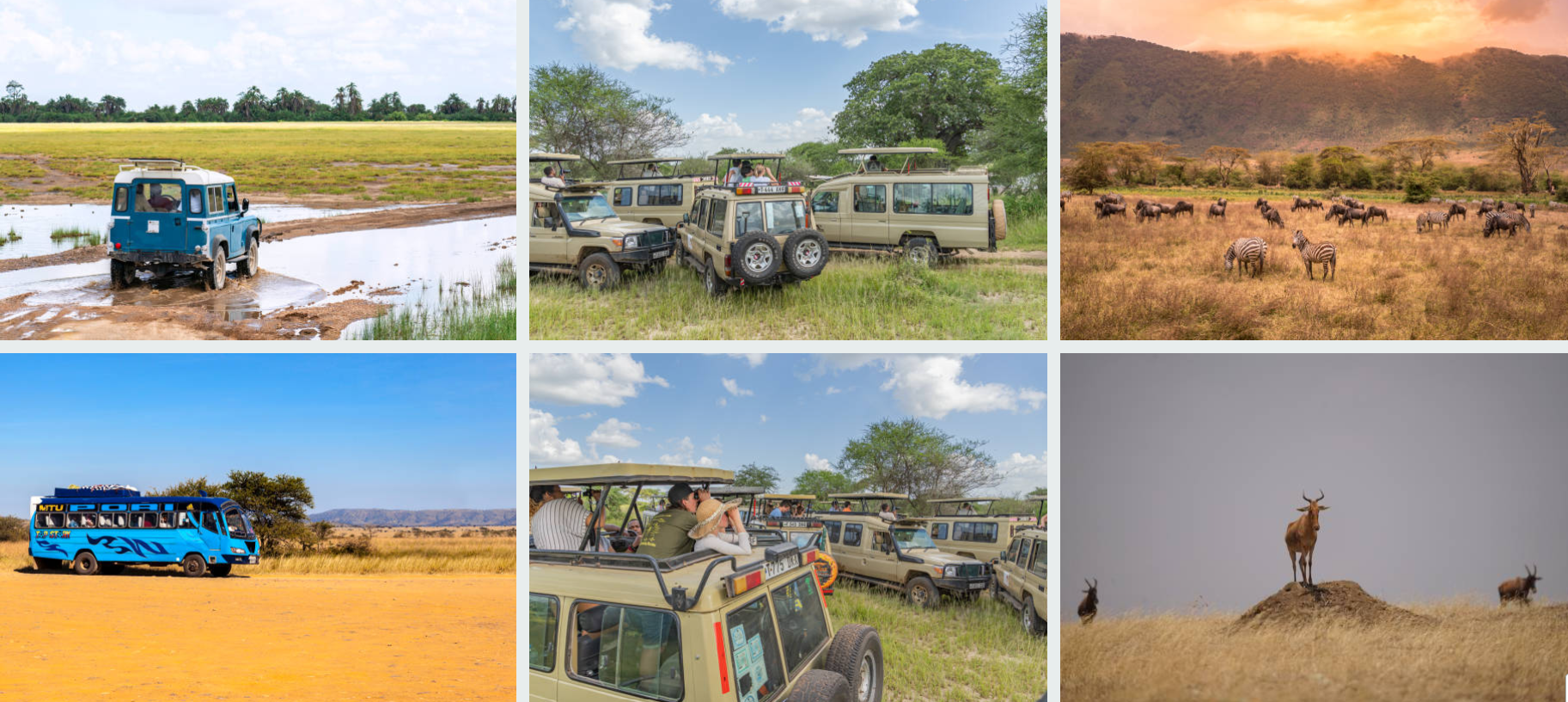
Distance: ~375 km (230 miles)
Estimated Time: 6-8 hours (depending on road conditions)
Route Breakdown:
Arusha to Makuyuni (1.5 hours) – Tarmac road.
Makuyuni to Singida Turnoff (1 hour) – Mixed tarmac and rough patches.
Singida to Ndabaka Gate (3-4 hours) – Mostly unpaved, bumpy roads.
Faster access to the Western Serengeti and Grumeti River.
Less crowded than the Ngorongoro route.
Good for travelers heading to the western Serengeti or Lake Victoria.
Long stretches of rough, dusty roads.
Fewer amenities and fuel stations.
Wildlife crossings can slow travel.
Road Type: Mostly smooth tarmac.
Stops Worth Making:
Mto wa Mbu Village – A vibrant cultural stop with local markets.
Lake Manyara viewpoints – Stunning Rift Valley escarpment views.
Road Type: Steep, winding uphill road.
Important Note: A transit fee is required to pass through Ngorongoro.
Road Type: Rough, corrugated, and sometimes muddy.
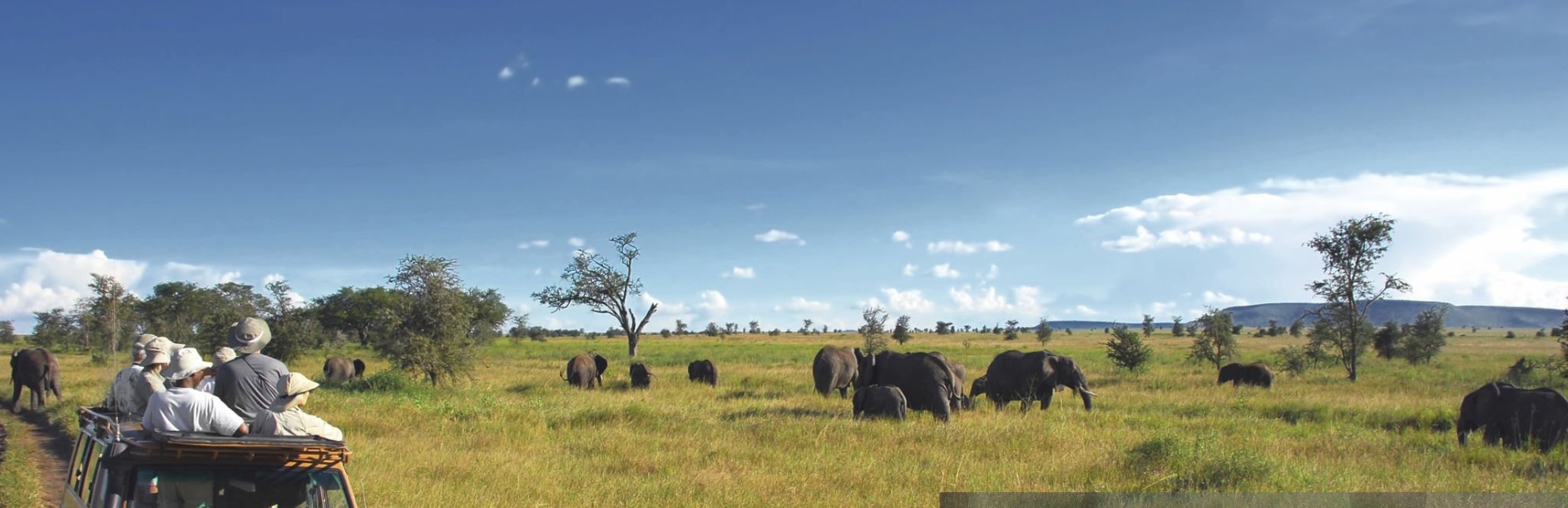
Wildlife Encounters: Possible sightings of zebras, elephants, and antelopes.
Road Type: First half tarmac, second half rough dirt roads.
Fuel Stops: Best to refuel in Makuyuni or Singida.
Pros:
Roads are in better condition.
Easier wildlife spotting due to sparse vegetation.
Less risk of getting stuck in mud.
Cons:
Dusty roads can be uncomfortable.
Peak tourist season means more traffic.
Pros:
Lush green landscapes.
Fewer tourists.
Great for birdwatching.
Cons:
Some roads may be impassable.
Longer travel times due to muddy conditions.
Use a 4×4 Vehicle – The roads to Serengeti are rough, and a sturdy 4×4 is mandatory.
Start Early – Aim to leave Arusha by 6:00 AM to avoid driving in the dark.
Carry Enough Fuel – Fuel stations are scarce beyond Karatu and Makuyuni.
Pack Snacks & Water – Limited restaurants are available en route.
Check Park Fees & Permits – Ngorongoro transit fees must be paid in advance.
Hire an Experienced Driver – Navigating rough roads and wildlife requires skill.
Bring Motion Sickness Pills – The bumpy roads can be nauseating.
Time: 1-1.5 hours by light aircraft.
Pros:
Saves time.
Stunning aerial views.
Cons:
Expensive (typically $200-$400 per person).
Limited luggage allowance.
Most organized safaris include transport, making the journey hassle-free.
The drive from Arusha to the Serengeti is an adventure in itself, offering a mix of smooth highways, rugged trails, and unforgettable scenery. While the trip can take anywhere from 6 to 10 hours, the experience of traversing Tanzania’s wilderness is well worth it.
For those short on time, flying is a convenient alternative, but road travel allows for a deeper connection with the landscapes, cultures, and wildlife of this incredible region. Whether you choose the scenic Ngorongoro route or the direct path to Ndabaka, preparation is key to ensuring a smooth and enjoyable journey into the heart of the Serengeti.
Final Tip: Always confirm road conditions with local tour operators before departure, as weather and maintenance can significantly impact travel time.