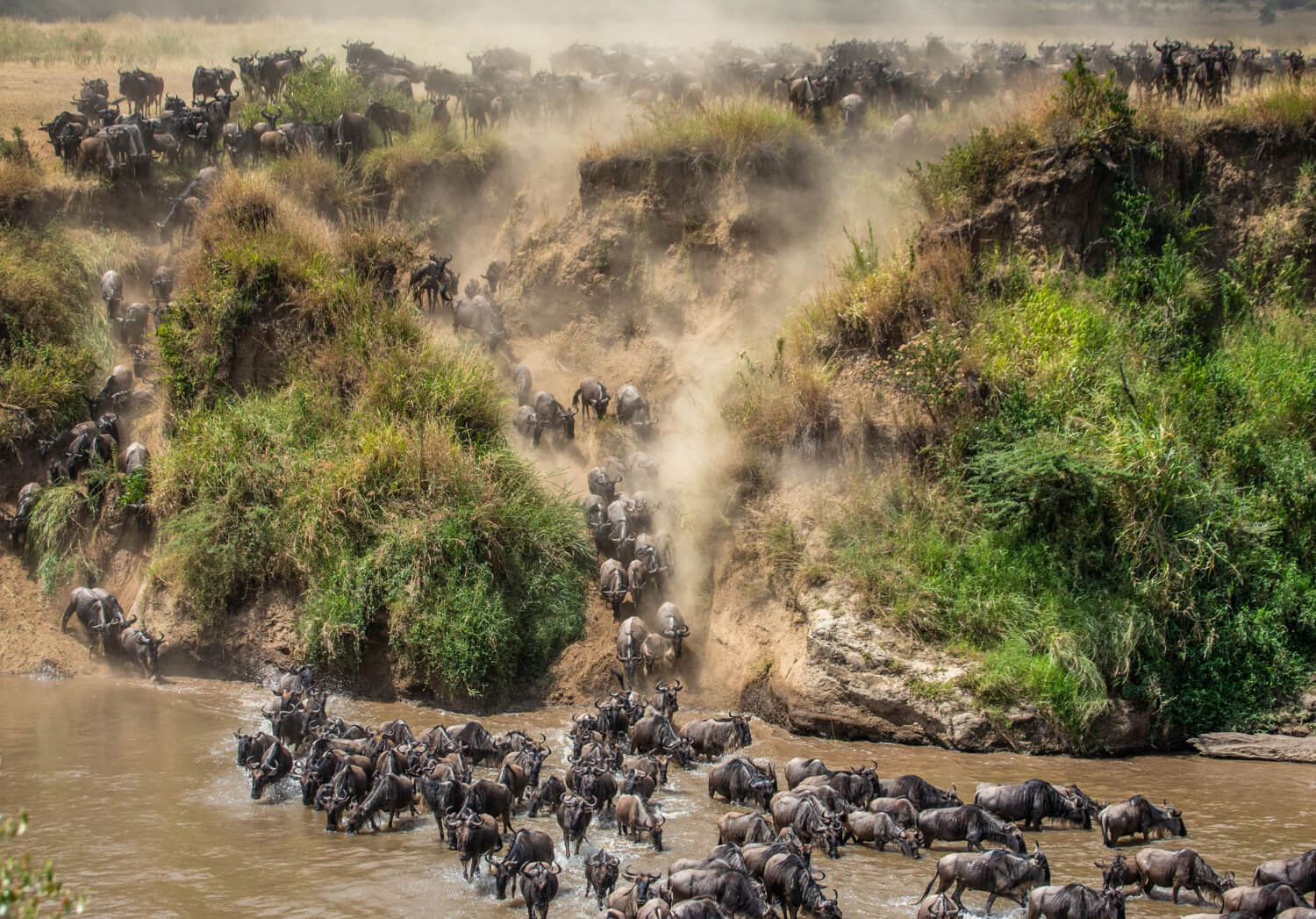

Capture Tanzania’s Wildlife, A Tanzania safari is a dream come true for wildlife photographers. From the vast plains of the Serengeti to the breathtaking Ngorongoro Crater and the untamed beauty of Tarangire, Tanzania offers some of the most spectacular wildlife photography opportunities in the world. However, capturing these moments requires preparation, skill, and an understanding of both your equipment and the environment.
In this comprehensive guide, we’ll explore the best photography tips for a Tanzania safari, covering gear selection, camera settings, composition techniques, and ethical wildlife photography practices to help you bring home stunning images.
While professional DSLRs and mirrorless cameras offer the best image quality and control, advanced compact cameras with superzoom capabilities can also work well for enthusiasts.
DSLR/Mirrorless Cameras: Full-frame cameras like the Canon EOS R5, Nikon Z8, or Sony A7R V provide excellent resolution and low-light performance.
Crop-Sensor Cameras: Cameras like the Canon 7D Mark II or Nikon D500 offer great reach with their APS-C sensors, ideal for wildlife.
Superzoom Cameras: For travelers who prefer convenience, the Sony RX10 IV or Nikon P1000 provide impressive zoom capabilities without the need for multiple lenses.
A Tanzania safari demands versatile lenses to capture everything from sweeping landscapes to close-up animal portraits.
Telephoto Zoom Lens (100-400mm or 200-600mm): Essential for distant wildlife. Popular choices include the Canon EF 100-400mm f/4.5-5.6L IS II, Nikon 200-500mm f/5.6, or Sony 200-600mm f/5.6-6.3.
Mid-Range Zoom (70-200mm f/2.8): Great for closer subjects and low-light conditions.
Wide-Angle Lens (16-35mm or 24-70mm): Perfect for landscapes, camp scenes, and environmental portraits.
Macro Lens (100mm f/2.8): Useful for small details like insects and flora.
Sturdy Tripod/Monopod: Helps stabilize long lenses, especially during low-light conditions.
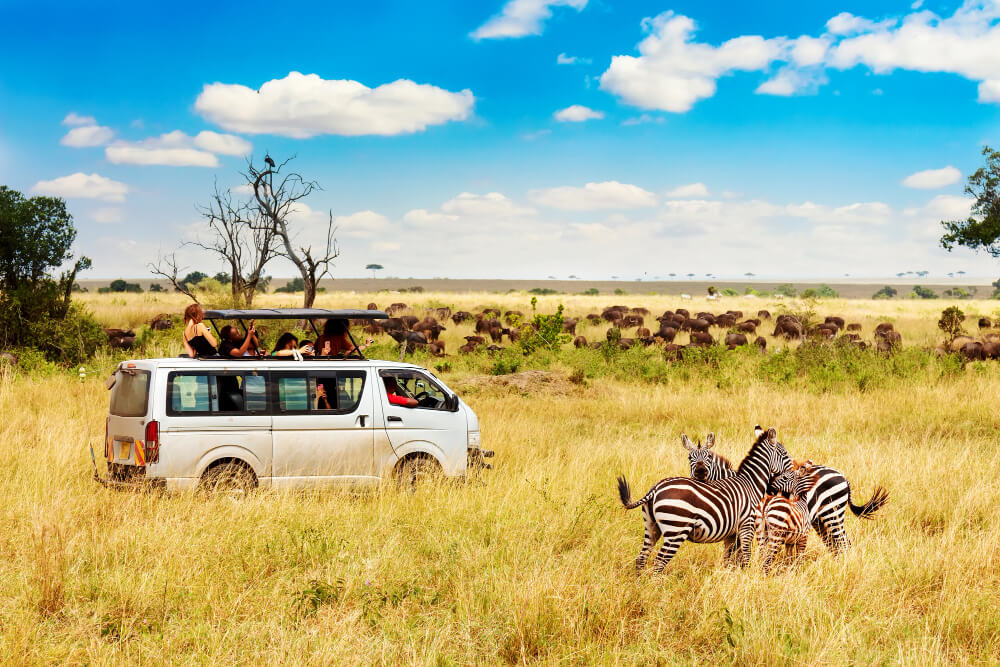
Bean Bag Support: Ideal for resting your camera on safari vehicle windows.
Extra Batteries & Memory Cards: Safaris involve long days; carry at least 3-4 batteries and 128GB+ of storage.
Dust-Proof Camera Bag: Tanzania’s terrain is dusty; protect your gear with a weather-sealed bag.
Polarizing & UV Filters: Reduce glare and protect lenses from scratches.
Shutter Priority (Tv/S Mode): Best for fast-moving wildlife (e.g., cheetahs sprinting). Use 1/1000s or faster to freeze motion.
Aperture Priority (Av/A Mode): Great for controlled depth of field (e.g., blurring backgrounds at f/2.8-f/5.6).
Manual Mode (M): Offers full control but requires quick adjustments in changing light.
Daylight (ISO 200-400): Keep ISO low to avoid noise.
Golden Hour/Dusk (ISO 800-3200): Increase ISO to maintain fast shutter speeds.
High ISO Performance: Modern cameras handle ISO 6400+ well, but avoid excessive noise.
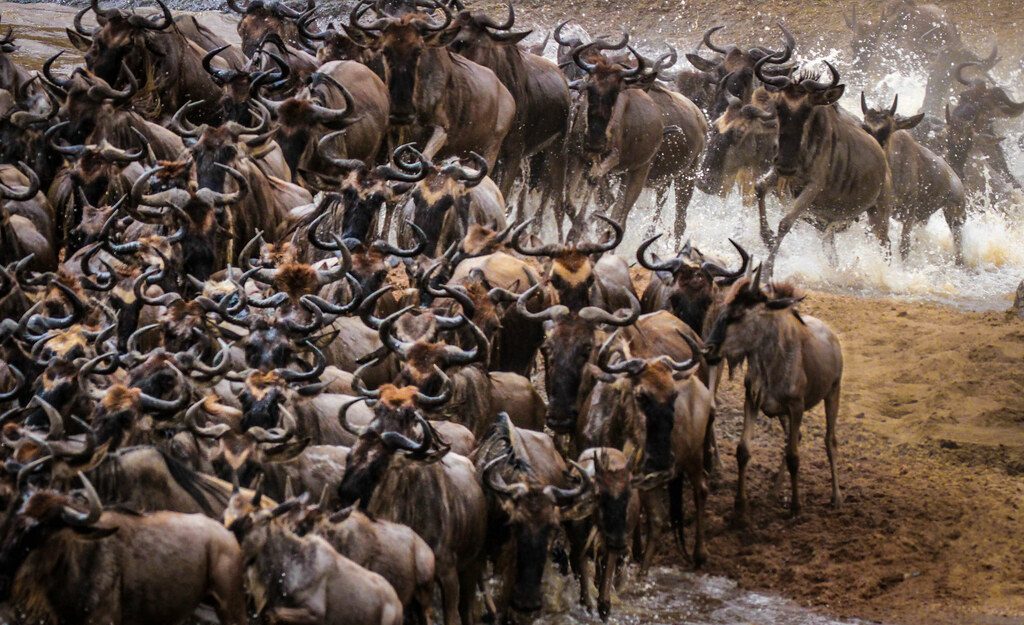
Continuous AF (AI Servo/AF-C): Tracks moving subjects like running wildebeests.
Single-Point AF: Best for static subjects (e.g., a resting lion).
Back-Button Focus: Separates focus from shutter release for better control.
Spot Metering: Ensures proper exposure on the subject, especially against bright skies.
Exposure Compensation (+/- EV): Adjust for backlit scenes (e.g., +1 EV for dark animals in shadows).
Wildlife is unpredictable. Use high-speed continuous shooting (8-20 fps) to capture split-second moments like a lion’s pounce or a bird in flight.
Place key elements (e.g., an elephant’s eye) along grid intersections for balanced compositions.
Shoot at the animal’s eye level for intimate, engaging portraits.
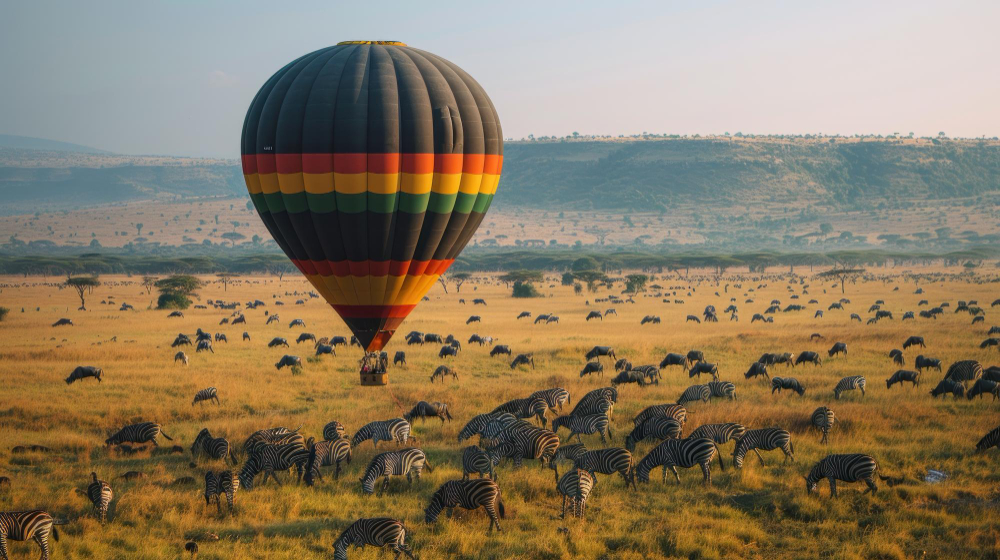
Use Tanzania’s vast skies and open plains to create dramatic, minimalist shots.
Action Shots: Hunt, chases, or interactions between animals.
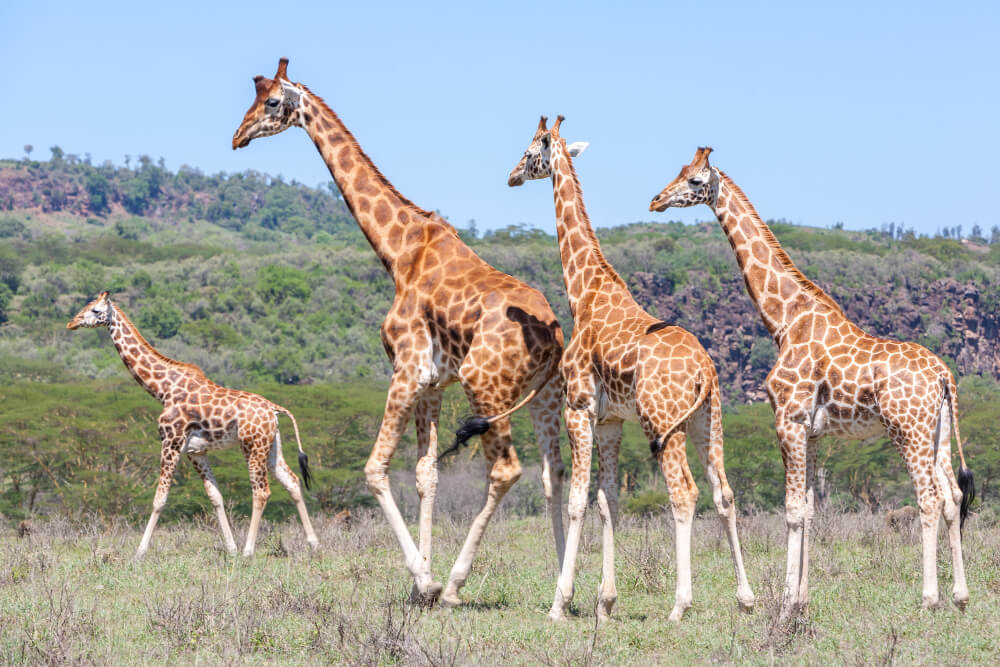
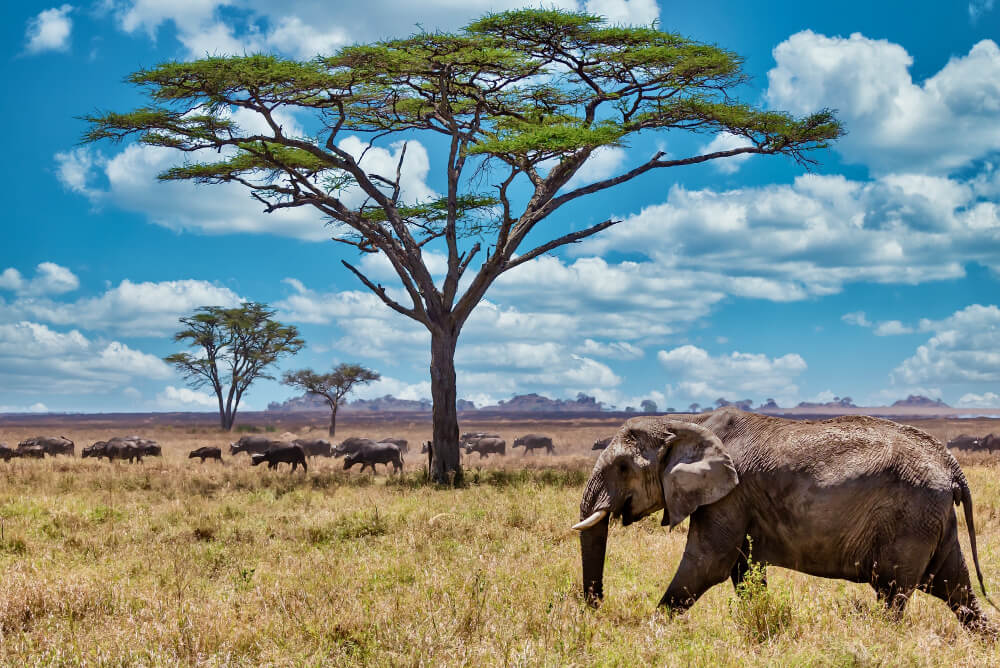
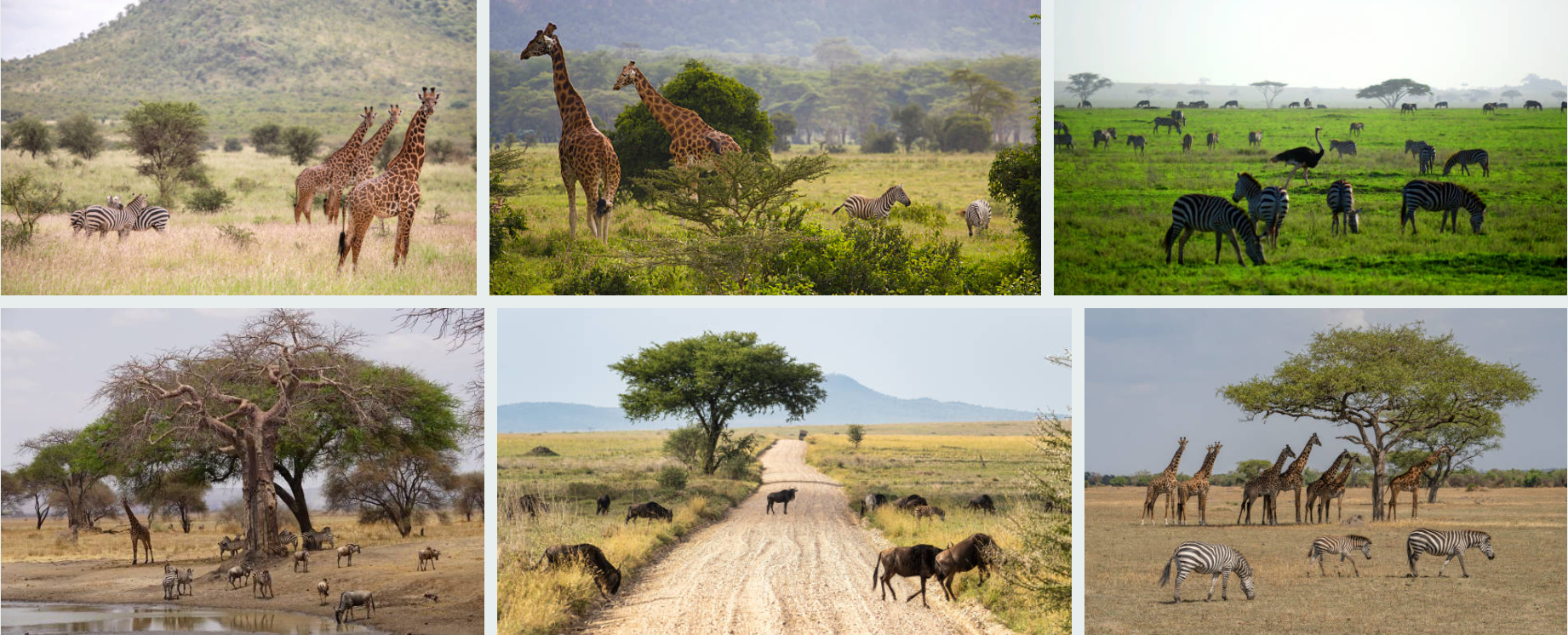
Environmental Context: Show animals within their habitat (e.g., a giraffe against acacia trees).
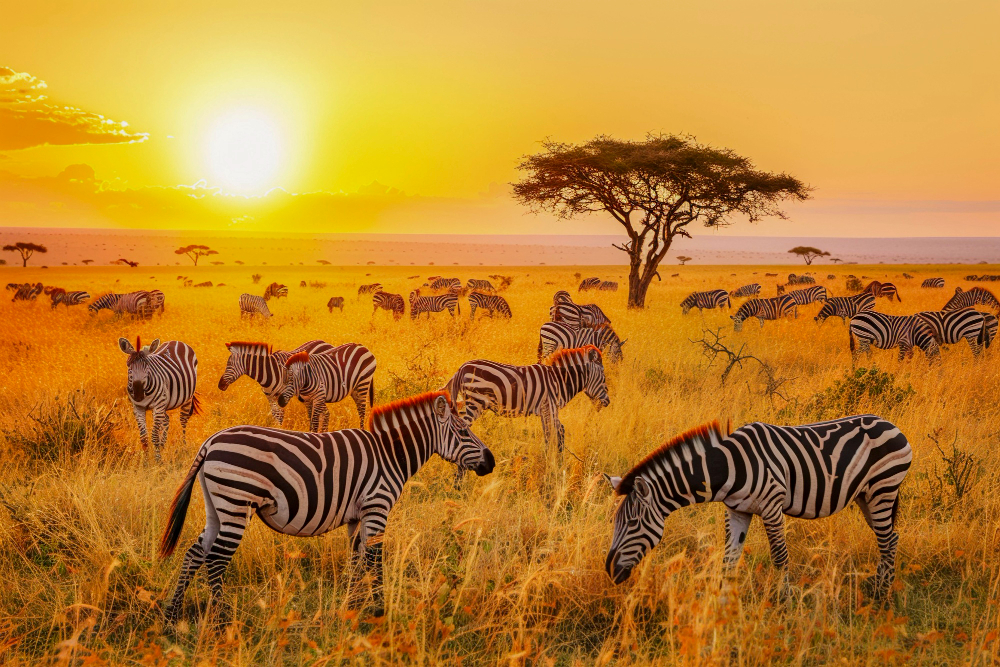
Golden Hour Magic: Shoot during sunrise/sunset for warm, soft lighting.
Position the sun behind subjects for striking silhouettes (e.g., a lone tree at dusk).
Keep a Safe Distance: Avoid stressing animals; use zoom lenses instead of approaching.
No Baiting or Disturbance: Never lure animals with food or noises.
Stay in Vehicles: In most parks, off-roaching is prohibited.
Minimize Noise: Sudden sounds can scare wildlife.
Keep images natural; excessive HDR or saturation distorts reality.
Lightroom/Photoshop: Adjust exposure, contrast, and sharpness.
Noise Reduction: Use Topaz Denoise AI or DxO PureRAW for high-ISO shots.
Selective Cropping: Enhance composition without losing quality.
Portable SSDs: Use Samsung T7 or LaCie Rugged for reliable storage.
Cloud Backup: Upload selects to Google Drive or Dropbox if Wi-Fi is available.
A Tanzania safari is a once-in-a-lifetime experience, and with the right photography techniques, you can immortalize its beauty. By choosing the right gear, mastering camera settings, composing thoughtfully, and respecting wildlife, you’ll return with breathtaking images that tell the story of Africa’s wild heart.
Now, pack your camera, embrace the adventure, and let Tanzania’s magic unfold through your lens!