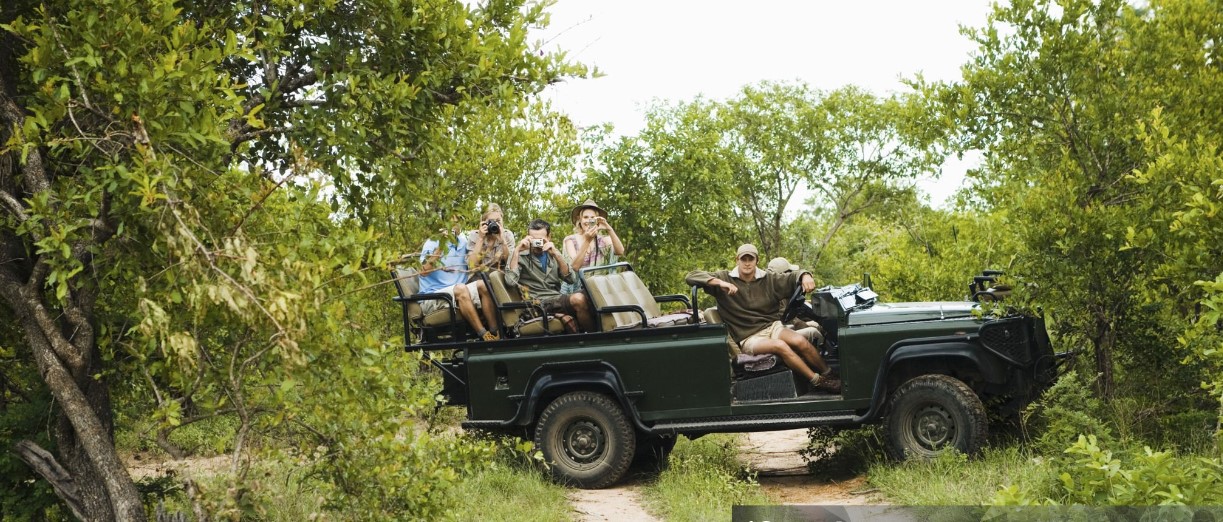

Expert Safari Guide Qualifications, Embarking on a safari is an exhilarating experience, offering the chance to witness wildlife in its natural habitat, explore breathtaking landscapes, and immerse oneself in the beauty of nature. However, the quality of your safari experience largely depends on the expertise and professionalism of your guide. A well-qualified safari guide enhances your journey by ensuring safety, providing insightful knowledge, and facilitating unforgettable wildlife encounters.
When selecting a safari guide, several key qualifications and attributes should be considered. This article explores the essential credentials, skills, and personal traits that distinguish an exceptional safari guide, helping you make an informed choice for your next adventure.
One of the most critical qualifications a safari guide should possess is formal training from a recognized institution. Different countries have varying certification standards, but reputable guides often hold certifications from accredited wildlife and guiding schools. Some of the most respected certifications include:
FGASA is one of the most prestigious qualifications for safari guides, particularly in South Africa, Botswana, Namibia, and other Southern African countries. A FGASA-certified guide undergoes rigorous training in:
Animal behavior and tracking
Plant and bird identification
Ecological principles
First aid and emergency response
Ethical guiding practices
Guides can achieve different levels (Level 1, Level 2, and Professional Trails Guide), with higher levels indicating greater expertise.
In East Africa, the KPSGA offers a tiered certification system (Bronze, Silver, Gold). A KPSGA-certified guide demonstrates proficiency in:
Wildlife biology and conservation
Cultural and historical knowledge
Navigation and bush survival skills
Zimbabwe Professional Guides Association (ZPGA)
Tanzania Tourist Board (TTB) Guide Licensing
Wilderness First Responder (WFR) Certification (for medical emergencies)
A certified guide ensures adherence to industry standards, enhancing both safety and educational value.
A great safari guide must have in-depth knowledge of the region, including:
Ability to identify animals, birds, and plants
Understanding of animal behavior and tracking techniques
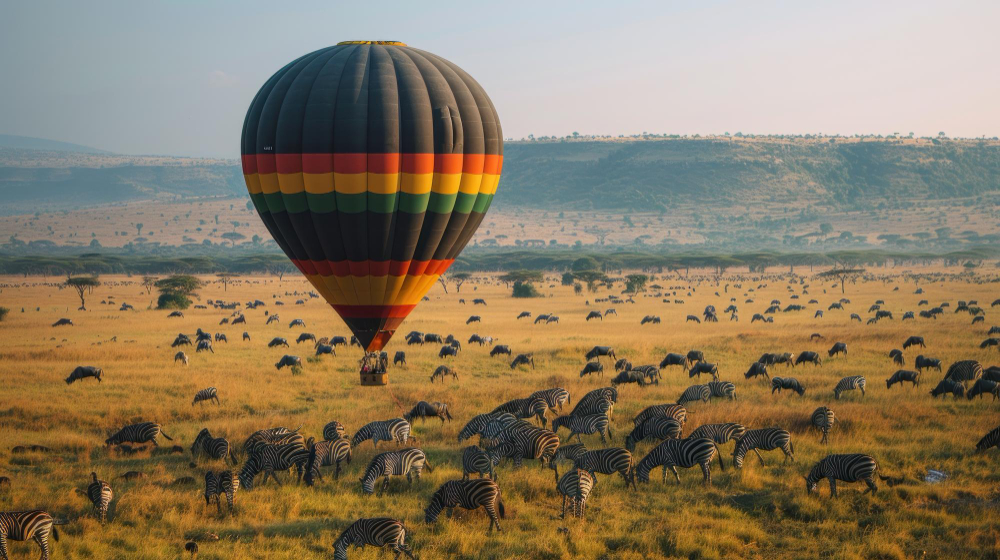
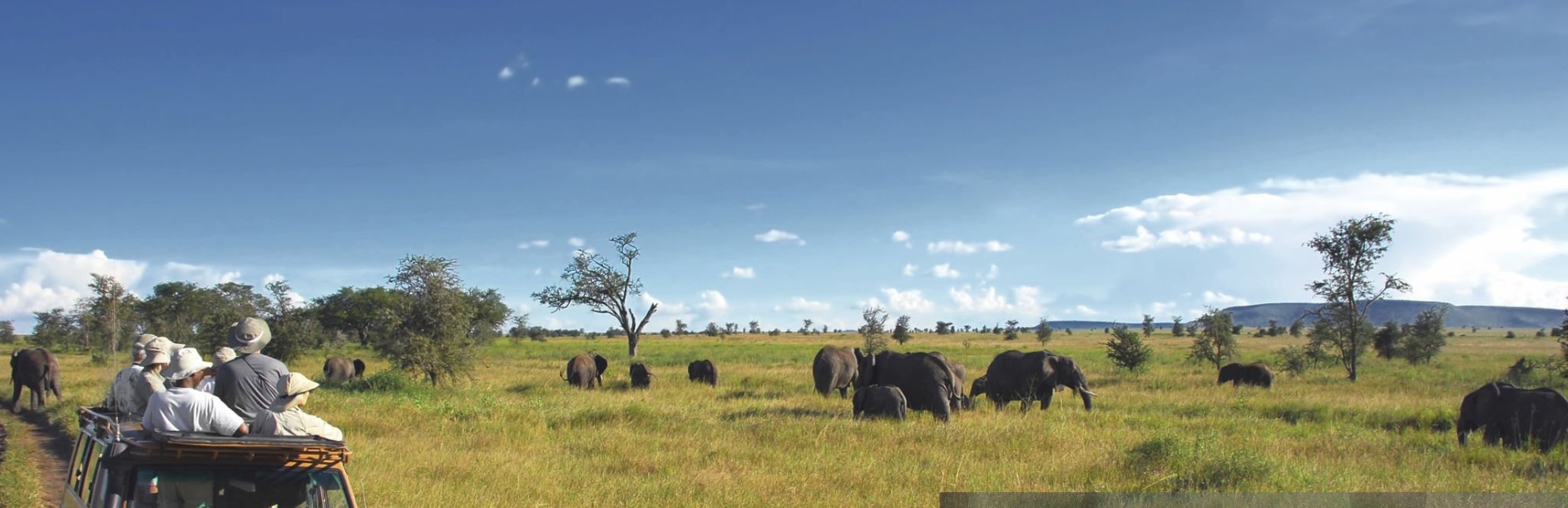
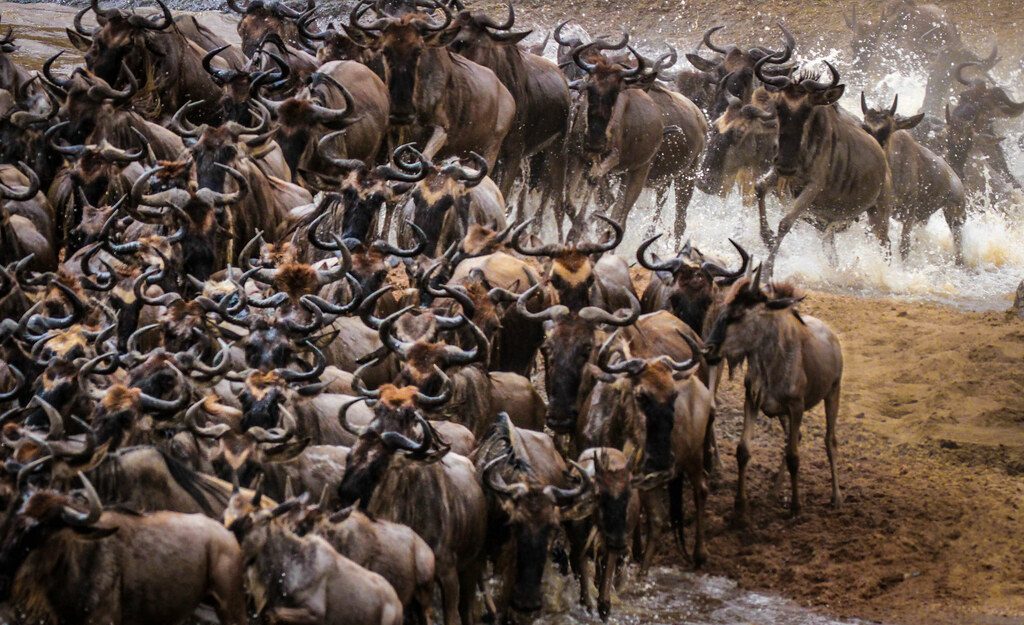
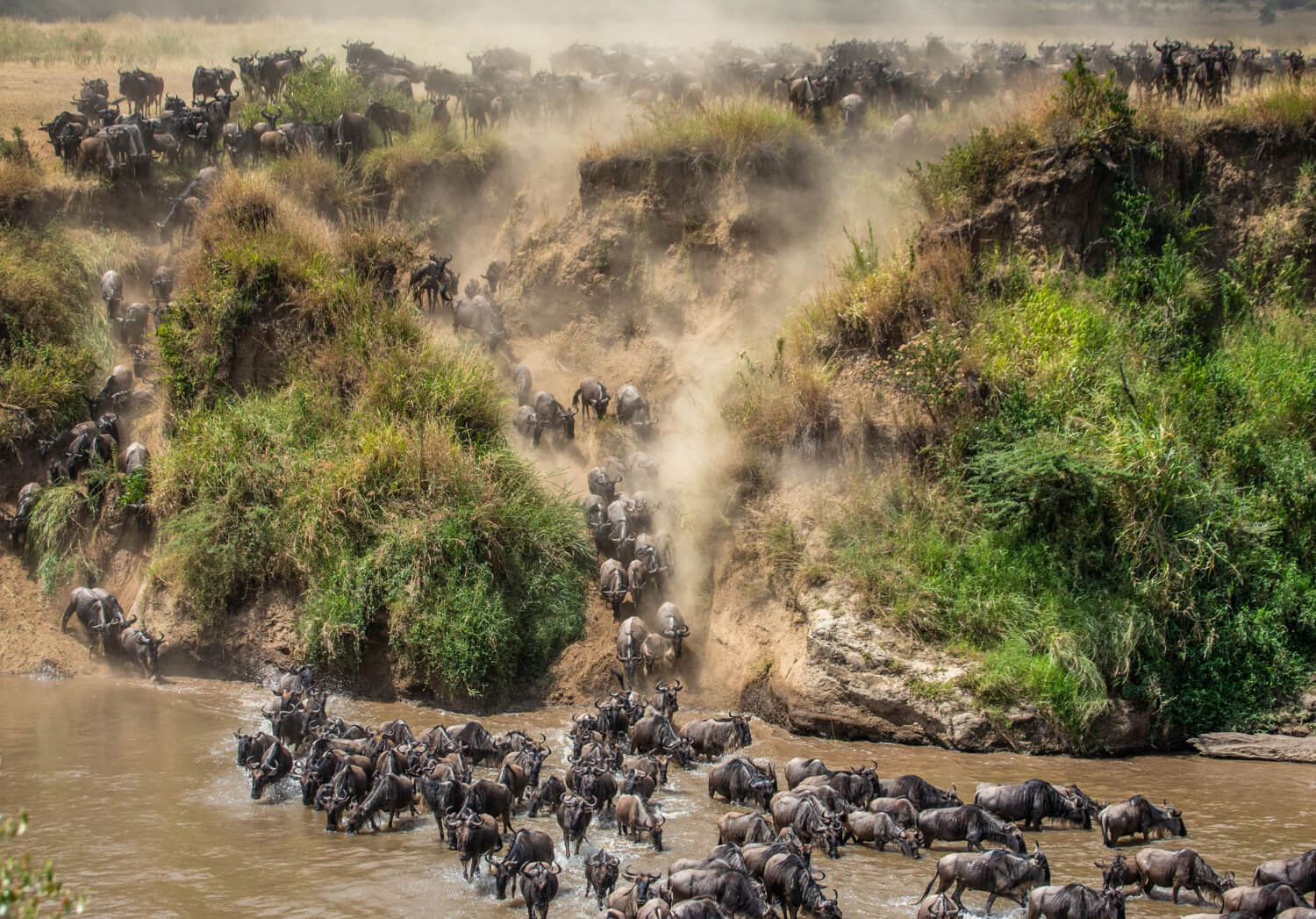
Knowledge of migration patterns (e.g., the Great Wildebeest Migration in the Serengeti)
Insights into ecosystems, biodiversity, and conservation efforts
Awareness of human-wildlife conflict and sustainable tourism practices
Familiarity with local tribes, traditions, and history
Ability to share engaging stories about the region
A guide with strong local knowledge enriches the safari by providing context beyond mere sightings.
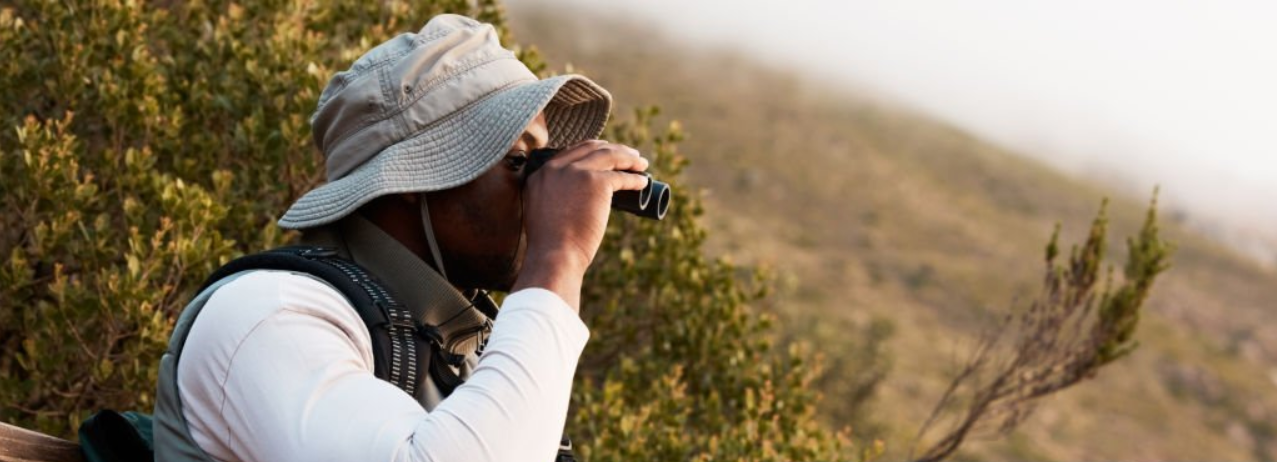
Safaris involve inherent risks, from close encounters with wildlife to medical emergencies in remote areas. A qualified guide must prioritize safety through:
Proficiency in navigating rugged terrain (especially for self-drive safaris)
Ability to maintain a safe distance from dangerous animals
Training in wilderness first aid
Knowledge of emergency protocols (e.g., snake bites, heatstroke, vehicle breakdowns)
In some regions, guides carry rifles for protection against predators. They should have proper firearm training and a calm demeanor in high-risk situations.
A safari guide is not just an expert but also a storyteller and host. Key interpersonal skills include:
English is essential, but additional languages (French, German, Spanish, Mandarin) are beneficial for international guests.
Ability to explain complex ecological concepts in an accessible way
Storytelling that brings wildlife behavior to life
Willingness to cater to different guest preferences (photographers, families, researchers)
Ability to handle unexpected changes (weather, animal movements)
A guide’s enthusiasm and passion for wildlife can significantly enhance guest engagement.
Responsible tourism is crucial for conservation. A reputable guide should:
Avoid disturbing animals or altering their natural behavior
Adhere to park rules (e.g., no off-roading in protected areas)
Promote anti-poaching initiatives
Educate guests on minimizing environmental impact
Engage in fair trade practices (e.g., hiring local staff, supporting community projects)
Choosing an ethical guide ensures your safari benefits both wildlife and people.
While certifications are important, hands-on experience is invaluable. Consider:
Veteran guides often have better tracking instincts and problem-solving skills.
Check platforms like TripAdvisor, SafariBookings, or travel blogs for feedback.
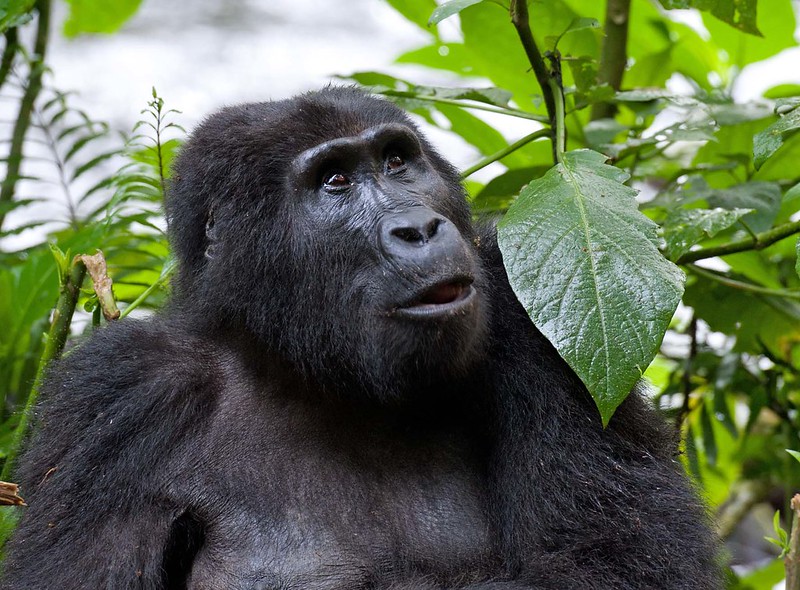
Some guides specialize in birdwatching, photography, or primate tracking (e.g., gorilla treks in Rwanda).
A well-reviewed guide with years of experience increases the likelihood of a successful safari.
Beyond qualifications, the best guides are those who genuinely love their work. Signs of a passionate guide include:
Eagerness to share knowledge
Excitement about rare sightings
Commitment to guest satisfaction
A guide’s enthusiasm is contagious, making the safari more enjoyable.
Selecting a qualified safari guide is crucial for a safe, educational, and memorable experience. Look for formal certifications (FGASA, KPSGA), extensive local knowledge, safety training, strong communication skills, ethical practices, and a solid reputation.
By prioritizing these qualifications, you ensure that your safari is led by a professional who enhances your adventure with expertise, storytelling, and a deep respect for nature. Whether you’re tracking lions in the Serengeti, exploring the Okavango Delta, or trekking gorillas in Uganda, the right guide transforms a good safari into an extraordinary one.