
Flights Save Time, Tanzania is one of Africa’s premier safari destinations, home to iconic national parks such as the Serengeti, Ngorongoro Crater, Tarangire, and Mount Kilimanjaro. When planning a safari, travelers often face the question: Are domestic flights necessary, or can one rely solely on road transfers? The answer depends on factors such as time constraints, budget, comfort preferences, and the specific destinations included in the itinerary.
This article explores the advantages and disadvantages of domestic flights for a Tanzania safari, comparing them with road travel to help you make an informed decision.
Tanzania is a vast country with remote and widely dispersed national parks. The most popular safari circuit—the Northern Circuit—includes:
Serengeti National Park (14,750 km²)
Ngorongoro Conservation Area (8,292 km²)
Tarangire National Park (2,850 km²)
Lake Manyara National Park (330 km²)
Mount Kilimanjaro National Park (1,688 km²)
Other notable parks, such as Selous (Nyerere), Ruaha, and Katavi, are part of the Southern and Western Circuits, which are even more remote.
Given the distances between these parks, transportation becomes a crucial consideration.
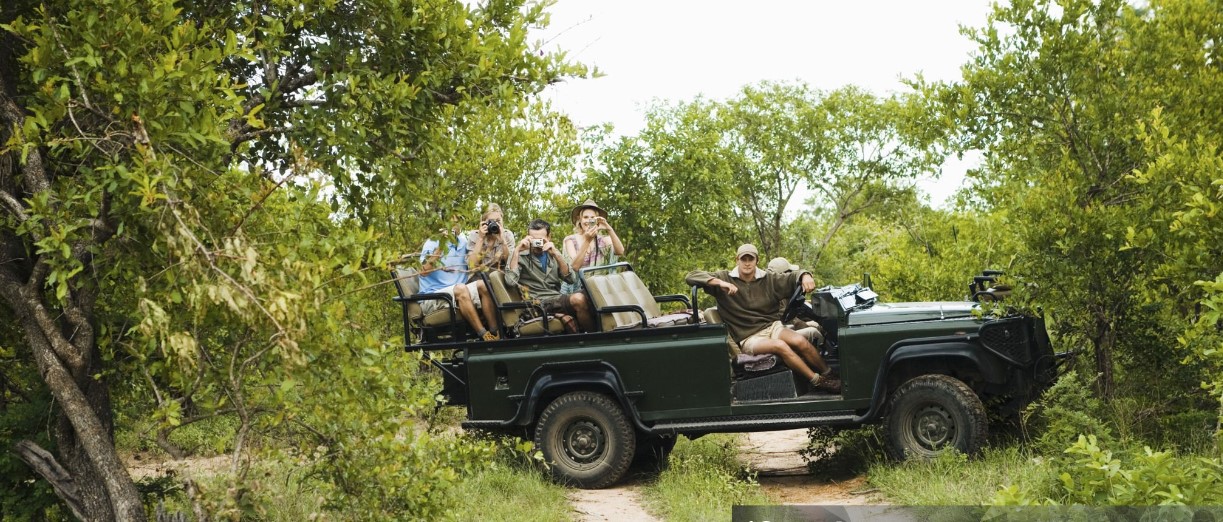
Road transfers are long and tiring: For example, driving from Arusha to the Serengeti can take 8–10 hours due to rough terrain and unpaved roads.
Flights reduce transit time: A flight from Arusha to the Serengeti takes 1.5–2 hours, allowing more time for game drives.
Avoids bumpy roads: Tanzania’s safari routes often have rough, dusty, and uneven roads, which can be exhausting.
Reduces fatigue: Less time spent in a vehicle means more energy for actual safari activities.
Southern and Western Circuit parks (e.g., Selous, Ruaha, Katavi) are best accessed by flights due to their remoteness.
Some luxury lodges and camps have private airstrips, making flights the only feasible option.
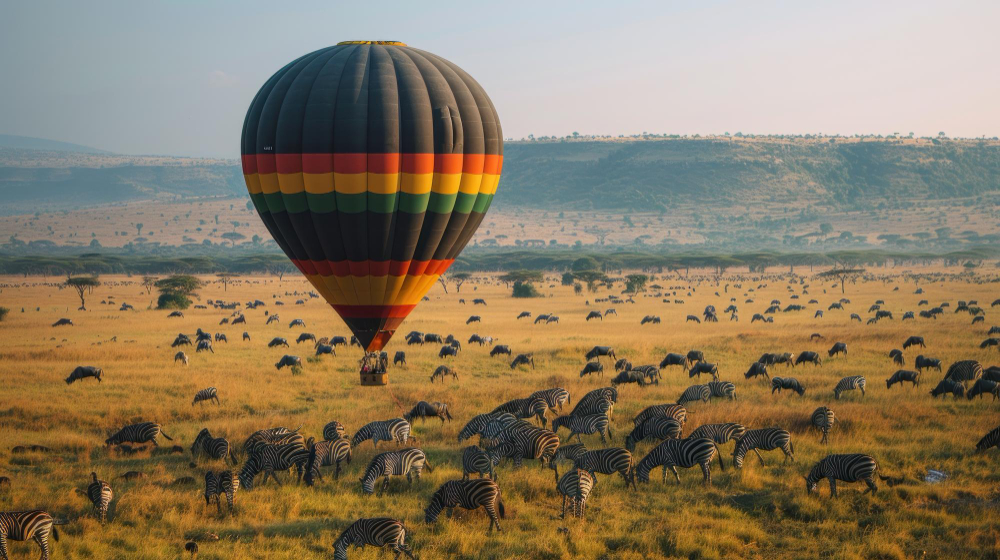
Flying over the Serengeti or Ngorongoro Crater provides breathtaking bird’s-eye views of wildlife and landscapes.
Road travel carries risks such as vehicle breakdowns, wildlife crossings, and unpredictable weather conditions.
Domestic flights can add $200–$500 per person per leg, increasing the overall safari budget significantly.
Charter flights (common in remote areas) are even more expensive.
Most domestic flights have strict weight limits (15–20 kg), including hand luggage, which can be problematic for long trips.
Soft-sided duffel bags are often required; hard suitcases may not be allowed.
Flight schedules are fixed, meaning less spontaneity in your itinerary.
Missed flights due to delays in game drives can disrupt travel plans.
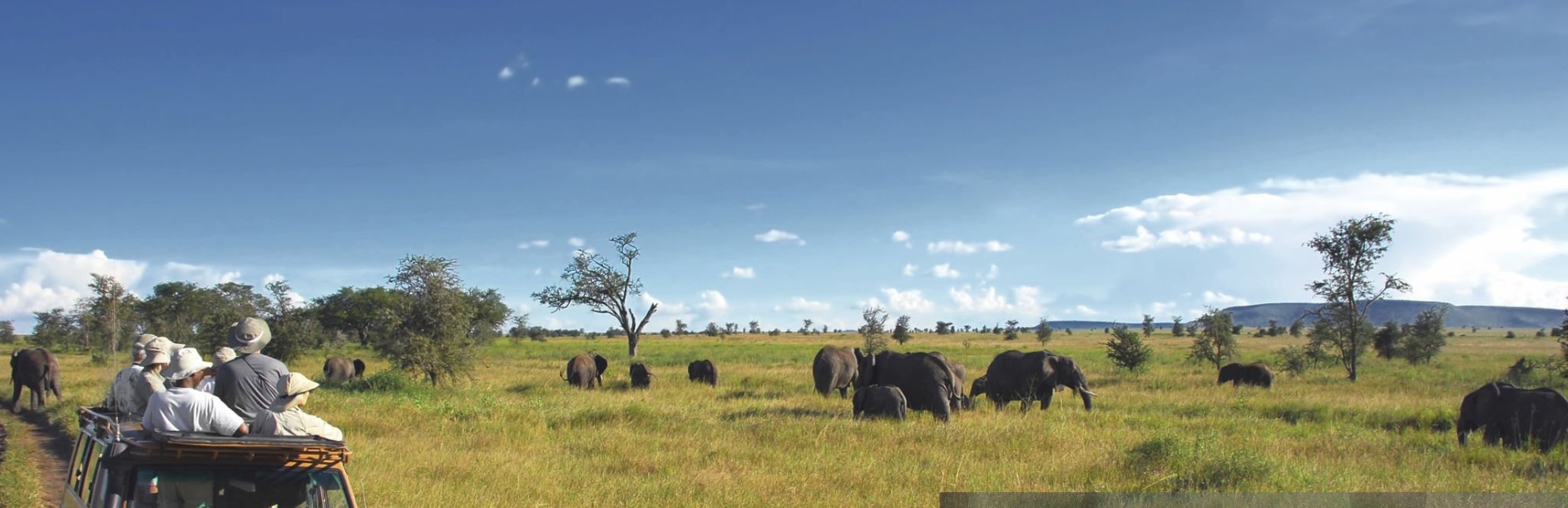
Road transfers allow for impromptu wildlife sightings en route, while flights skip this experience.
Flights can be delayed or canceled due to dust, rain, or fog, particularly in the Serengeti.
Road transfers are cheaper, especially for groups or families sharing a vehicle.
No strict baggage limits, making it easier for photographers with heavy gear.
Road trips allow stops at local villages, markets, and roadside attractions, adding cultural depth to the safari.
Driving from Arusha to the Ngorongoro Highlands helps travelers adjust to altitude gradually, reducing the risk of altitude sickness.
Road trips allow for unplanned stops at viewpoints or picnic spots.
Long travel times (e.g., 6+ hours from Arusha to Tarangire).
Fatigue and discomfort from bumpy roads.
Higher risk of delays due to wildlife crossings or road conditions.
If time is limited, flights maximize time in parks rather than on the road.
These parks are hundreds of kilometers from major cities, making flights essential.
High-end lodges often include private airstrip transfers for exclusivity.
Flights reduce physical strain compared to long road journeys.
Road transfers significantly cut costs.
No luggage restrictions make road travel ideal for professional cameras and equipment.
Road trips offer a more immersive African experience.
Kids may find flights restrictive, whereas road trips allow more breaks.
Many travelers opt for a mix of flights and road transfers to balance cost, time, and comfort. For example:
Fly into Serengeti, then drive to Ngorongoro.
Drive from Arusha to Tarangire, then fly to Zanzibar.
This approach provides the best of both worlds.
| Route | Flight Duration | Approx. Cost (USD) |
|---|---|---|
| Arusha → Serengeti | 1.5–2 hrs | $250–$400 |
| Arusha → Zanzibar | 1.5 hrs | $200–$350 |
| Serengeti → Zanzibar | 2–3 hrs | $300–$500 |
| Dar es Salaam → Selous | 1 hr | $200–$350 |
Domestic flights are not absolutely necessary for a Tanzania safari, but they significantly enhance comfort and save time, especially for luxury or time-sensitive itineraries. Road transfers, on the other hand, are more economical and culturally enriching but require tolerance for long, bumpy journeys.
✔ Use flights if you have limited time, prefer comfort, or visit remote parks.
✔ Choose road transfers if you’re on a budget, enjoy overland travel, or carry heavy luggage.
✔ A hybrid approach (mix of flights and road travel) often provides the best balance.
Ultimately, the choice depends on your priorities—whether it’s time, cost, comfort, or adventure—that shapes your ideal Tanzania safari experience.