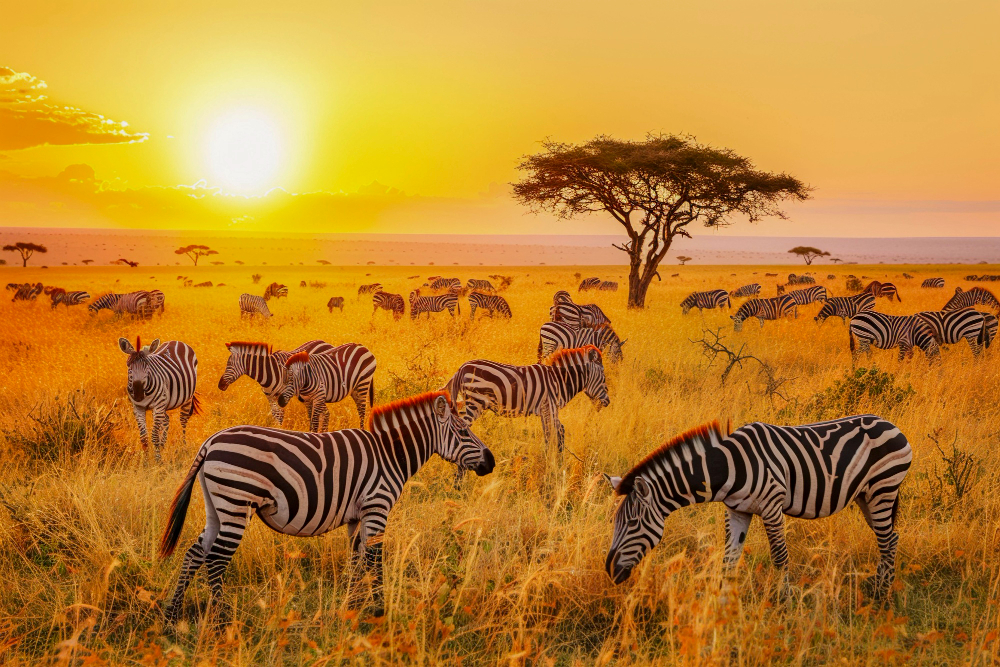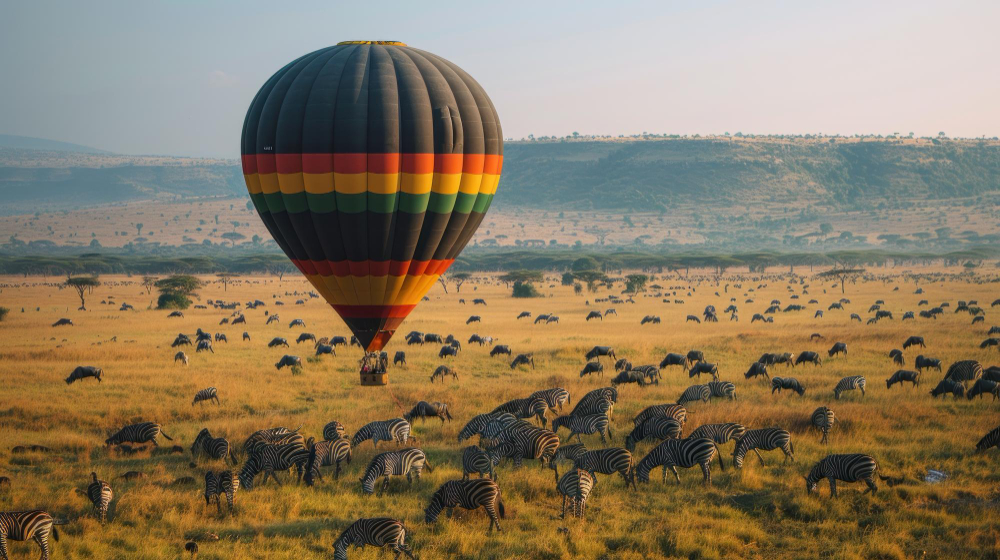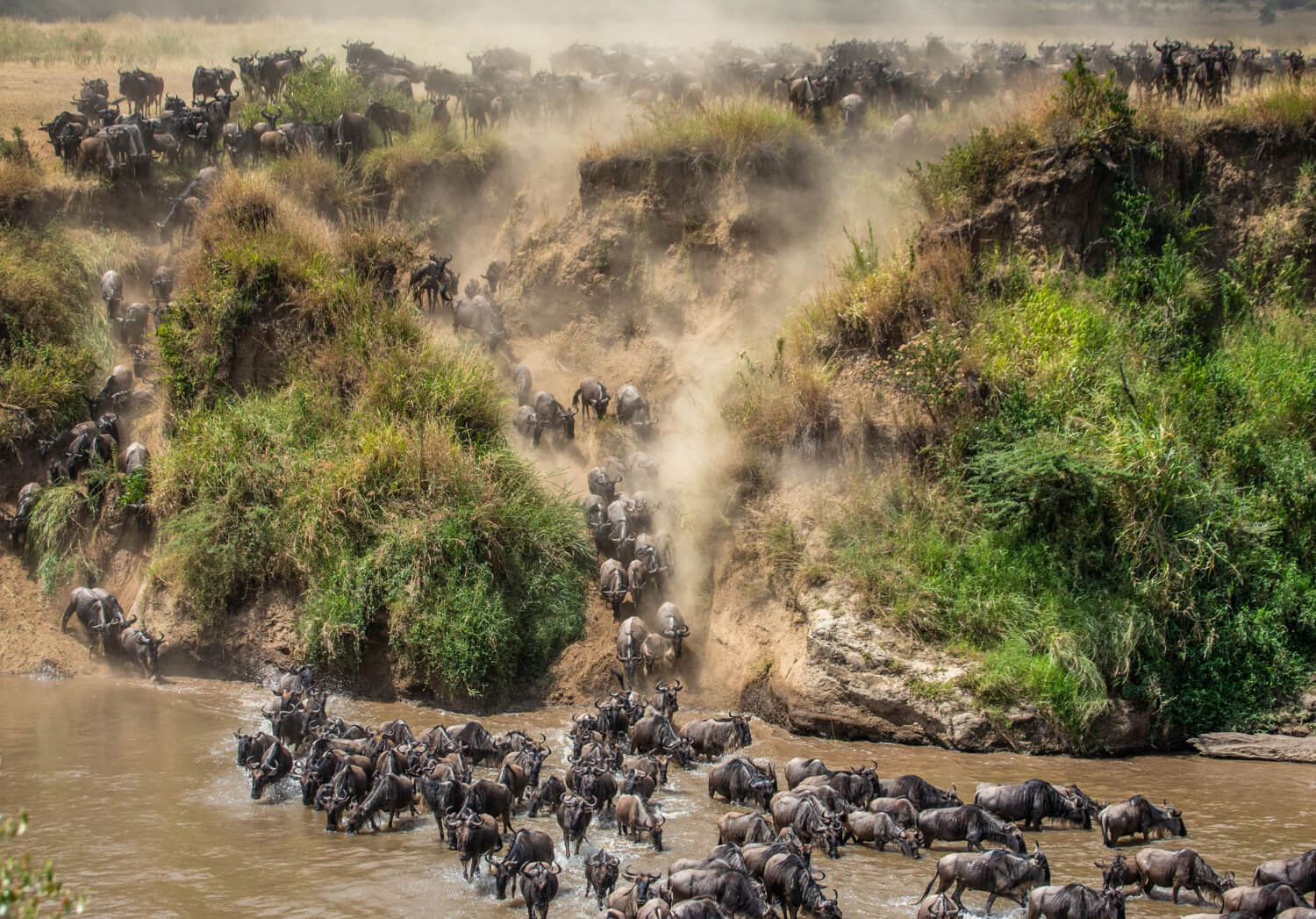

Great Migration in 2025, The Great Migration is one of the most spectacular wildlife events on Earth, drawing thousands of travelers to East Africa each year. This natural phenomenon involves the movement of over two million wildebeest, zebras, and gazelles across the Serengeti (Tanzania) and the Maasai Mara (Kenya) in a continuous cycle driven by rainfall and the search for fresh grazing.
For those planning a safari in 2025, witnessing the Great Migration is undoubtedly a bucket-list experience. But is it possible to see this incredible event in 2025? The answer is yes, but timing and location are crucial. This article explores the migration’s patterns, the best times and places to see it in 2025, and essential tips for planning your trip.
The Great Migration is a year-round, cyclical movement of herds across the Serengeti-Mara ecosystem. Unlike a fixed event, it follows a predictable—but not guaranteed—route influenced by weather conditions. The migration can be broken down into key phases:
Calving Season (January – March)
Location: Southern Serengeti (Ndutu area) and Ngorongoro Conservation Area.
Highlights: Over 500,000 wildebeest calves are born within a few weeks, attracting predators like lions, cheetahs, and hyenas.
Movement to the Western Corridor (April – June)
Location: Central and Western Serengeti.
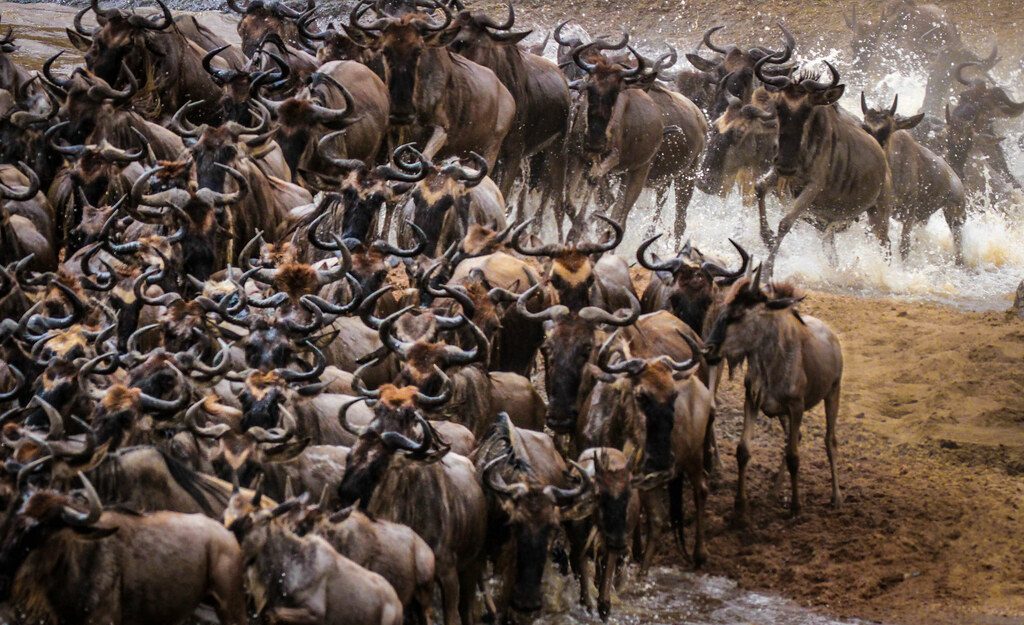
Highlights: Herds move toward the Grumeti River, where crocodile-infested waters create dramatic river crossings.
Mara River Crossings (July – October)
Location: Northern Serengeti (Tanzania) and Maasai Mara (Kenya).
Highlights: The most famous and thrilling part of the migration, where thousands of wildebeest brave crocodiles and strong currents to cross the Mara River.
Return to the Southern Serengeti (November – December)
Location: Herds move back south as the short rains begin, completing the cycle.
Yes, the Great Migration will occur in 2025 as it does every year. However, the exact timing of river crossings and herd movements depends on rainfall patterns. Climate change has introduced some variability, but the general schedule remains consistent.
Why Visit?
Witness thousands of wildebeest calves taking their first steps.
High predator activity as lions and cheetahs hunt vulnerable newborns.
Where to Stay:
Ndutu Safari Lodge, Serengeti Safari Camp (mobile camps).
Why Visit?
Fewer tourists compared to the Mara River.
Intense river crossings with massive crocodiles.
Where to Stay:
Singita Grumeti, Serengeti Serena Lodge.
Why Visit?
The most iconic and dramatic part of the migration.
High chances of seeing multiple river crossings.
Where to Stay:
Tanzania: Sayari Camp, Lemala Kuria Hills.
Kenya: Governors’ Camp, Mara Serena Safari Lodge.
Why Visit?
Lush green landscapes after the rains.
Fewer crowds and lower prices.
Where to Stay:
Four Seasons Safari Lodge, Seronera Camps.
Unpredictable rainfall can shift the timing of the migration.
Droughts may force herds to move earlier, while heavy rains could delay crossings.
July–October is peak season; lodges book up months in advance.
Private conservancies in Kenya offer exclusivity but at a higher cost.
Check for any travel restrictions in Tanzania or Kenya before booking.
Visa policies and health requirements (e.g., vaccinations) may apply.
Luxury lodges and top guides get reserved 12+ months in advance.
Consider flexible dates to align with herd movements.
For calving season, stay in Ndutu (January–March).
For river crossings, prioritize the Northern Serengeti or Maasai Mara (July–October).
Local guides track daily herd movements via radio networks.
Mobile camps relocate to follow the migration.
If time allows, visit both Serengeti and Maasai Mara for extended sightings.
April–June and November–December offer fewer crowds and better deals.
If your 2025 travel dates don’t align with the migration, East Africa still offers incredible wildlife experiences:
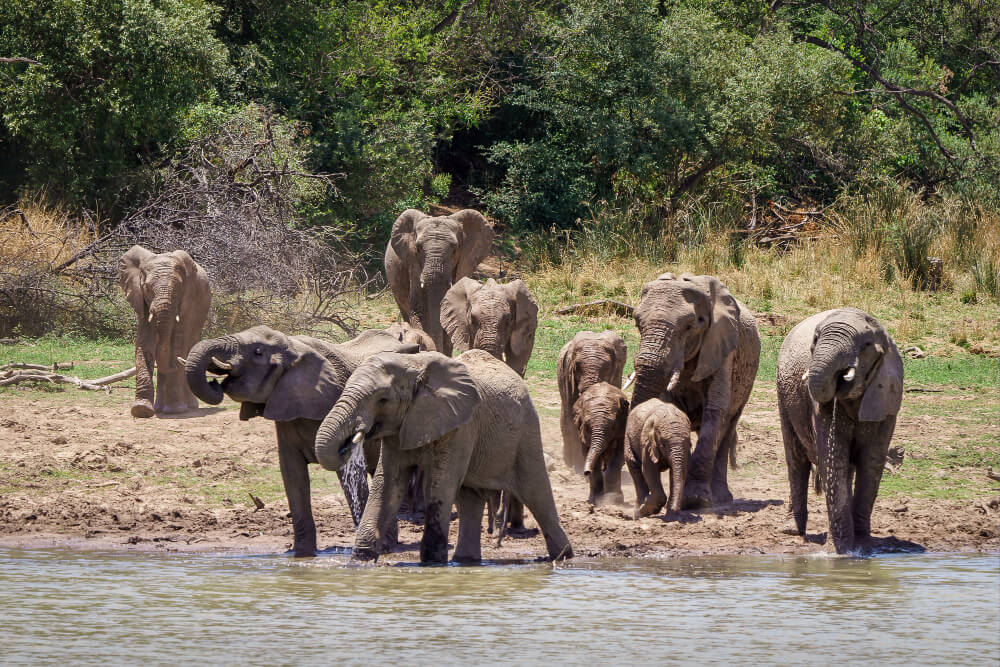
Tanzania: Ngorongoro Crater (year-round wildlife), Tarangire (elephant migrations).
Kenya: Amboseli (elephants with Kilimanjaro views), Laikipia (rhino tracking).
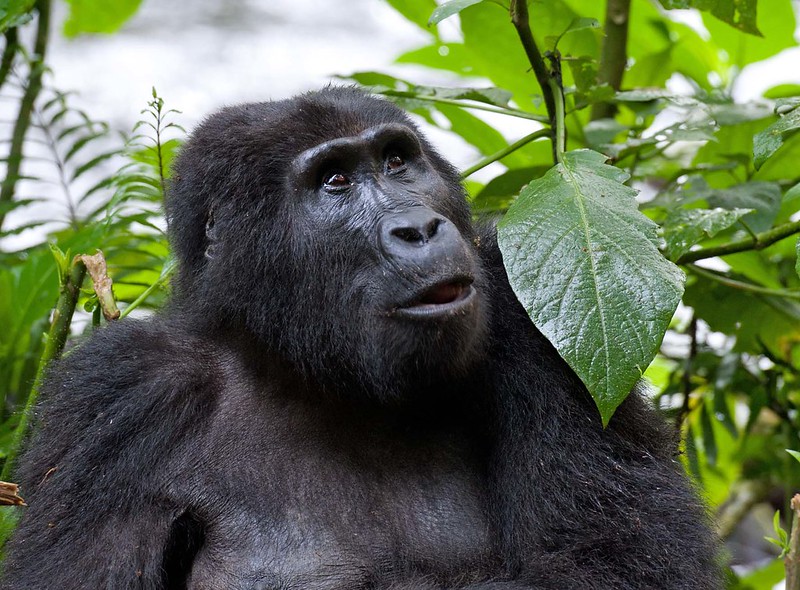
Uganda & Rwanda: Gorilla trekking in Bwindi or Volcanoes National Park.
The Great Migration is a continuous, year-round event, meaning there’s always a way to witness it in 2025—if you plan correctly. The key is choosing the right location based on the time of year:
Jan–Mar: Calving in Southern Serengeti.
Apr–Jun: Grumeti River crossings in Western Serengeti.
Jul–Oct: Mara River crossings in Northern Serengeti & Maasai Mara.
Nov–Dec: Herds returning to the Southern Serengeti.
By booking early, staying in strategic locations, and working with expert guides, you can experience one of nature’s greatest spectacles in 2025. Whether you’re a photographer, wildlife enthusiast, or adventure seeker, the Great Migration promises an unforgettable safari experience.