
Overland Tanzania Safari, Tanzania is one of Africa’s premier safari destinations, home to the Serengeti, Ngorongoro Crater, Tarangire, and many other breathtaking national parks. Many travelers assume that the only way to explore Tanzania’s vast wilderness is by taking internal flights between parks. However, it is entirely possible—and often more rewarding—to experience a Tanzania safari without relying on domestic flights.
This article explores the feasibility of a flight-free Tanzania safari, the advantages and disadvantages, the best routes, and practical tips for planning an unforgettable overland adventure.
Internal flights in Tanzania can be expensive, especially during peak seasons. A one-way flight from Arusha to the Serengeti can cost $250–$400 per person. By traveling overland, you can significantly reduce costs, making your safari more budget-friendly.
Overland travel allows you to witness Tanzania’s changing landscapes, interact with local communities, and enjoy spontaneous stops along the way. Road trips provide a deeper connection to the country beyond just the parks.
With a private or group safari vehicle, you can set your own pace, spend more time in lesser-known parks, and avoid the rigid schedules of flight departures.
Fewer flights mean a smaller carbon footprint. If you’re an eco-conscious traveler, overland travel is a more sustainable option.
While there are many benefits, traveling without internal flights also has some drawbacks:
Tanzania is a large country, and some routes involve long hours on rough roads. For example:
Arusha to Serengeti: 8–10 hours
Serengeti to Ngorongoro: 4–6 hours
Arusha to Tarangire: 2–3 hours
Some roads, especially in remote areas, can be bumpy and dusty. Travelers should be prepared for occasional discomfort.
If you have a tight schedule, long drives may reduce the time available for game drives. Careful planning is essential.
Here’s a sample 7–10 day itinerary covering Tanzania’s top parks without internal flights:
Explore Arusha town or visit Arusha National Park (1-hour drive).
Optional: Day trip to Lake Manyara (2.5-hour drive).
Drive from Arusha to Tarangire (2–3 hours).
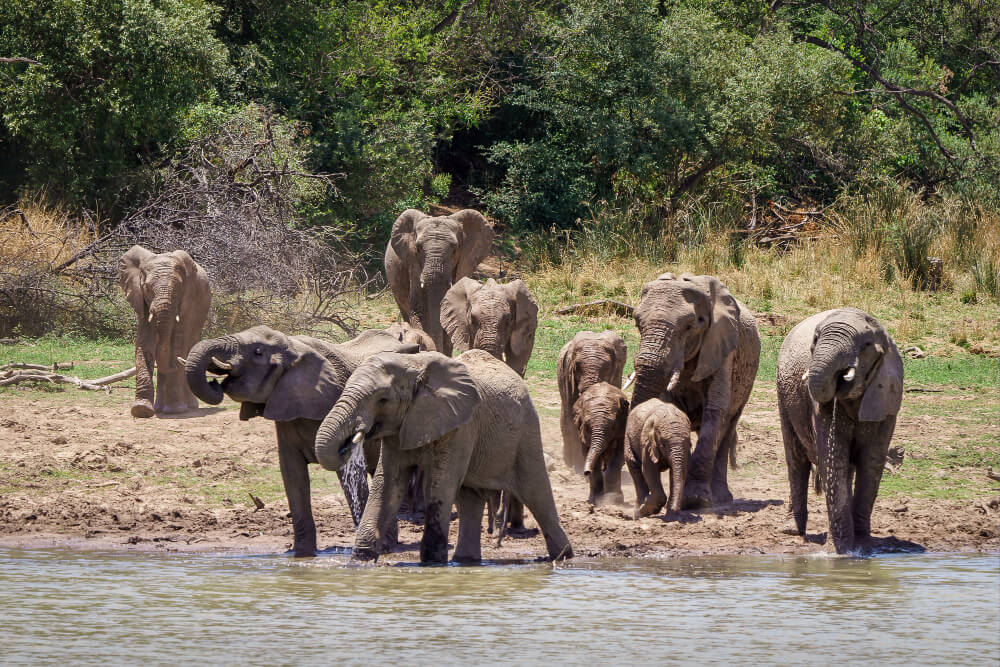
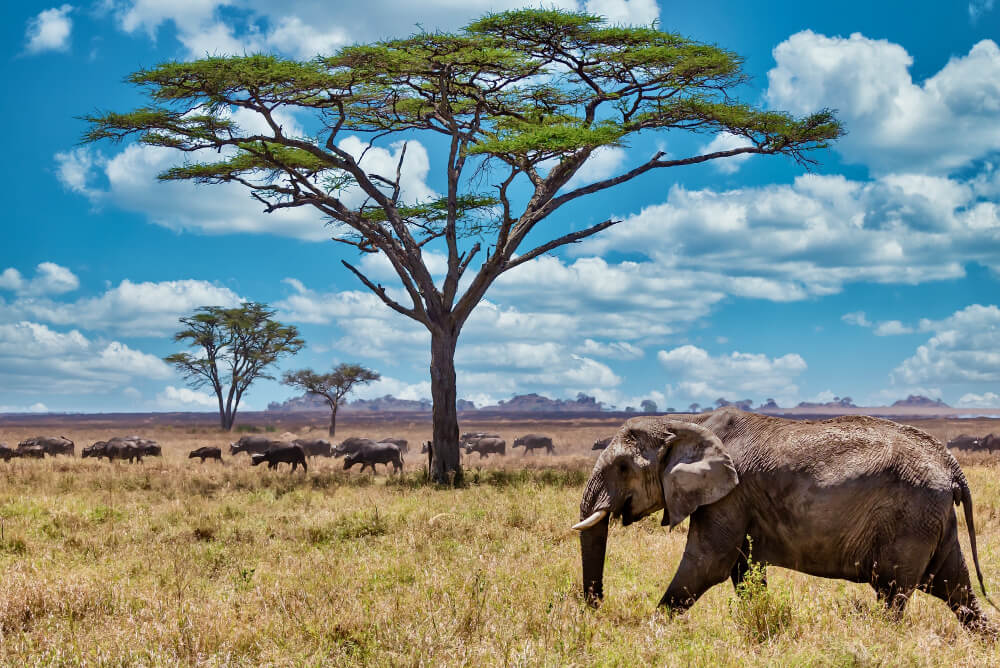
Enjoy game drives among baobab trees and large elephant herds.
Long drive from Tarangire to the Serengeti (6–8 hours).
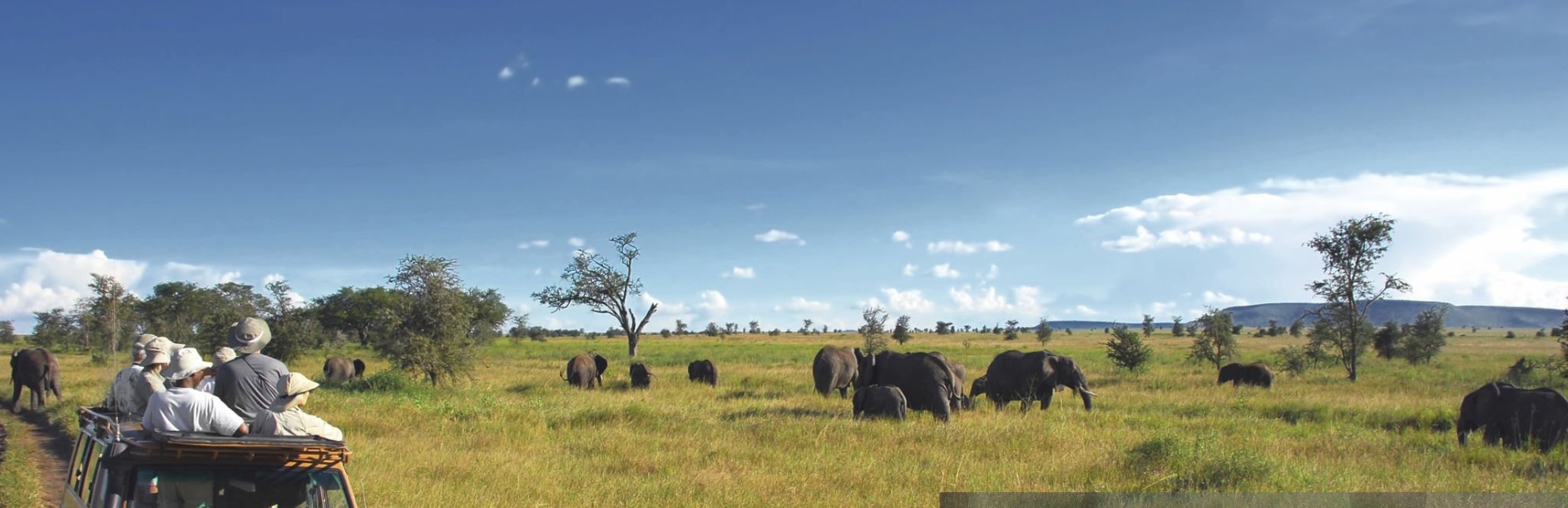
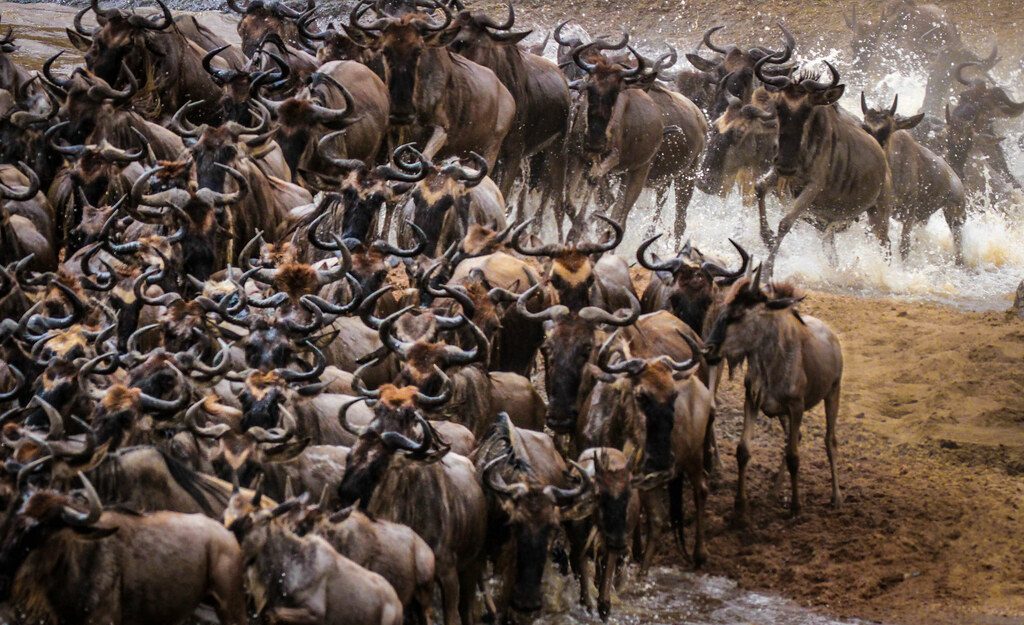
Spend two full days exploring the vast plains and wildlife.
Drive from Serengeti to Ngorongoro Conservation Area (4–5 hours).
Descend into the crater for a full-day game drive.
Drive back to Arusha (5–6 hours) or extend to Lake Manyara.
If you want to avoid the busier northern circuit, consider these less crowded parks:
Ruaha National Park (accessible via Iringa, best for remote wilderness).
Selous Game Reserve (now Nyerere National Park, reachable by road from Dar es Salaam).
Katavi National Park (for true off-the-beaten-path adventures).
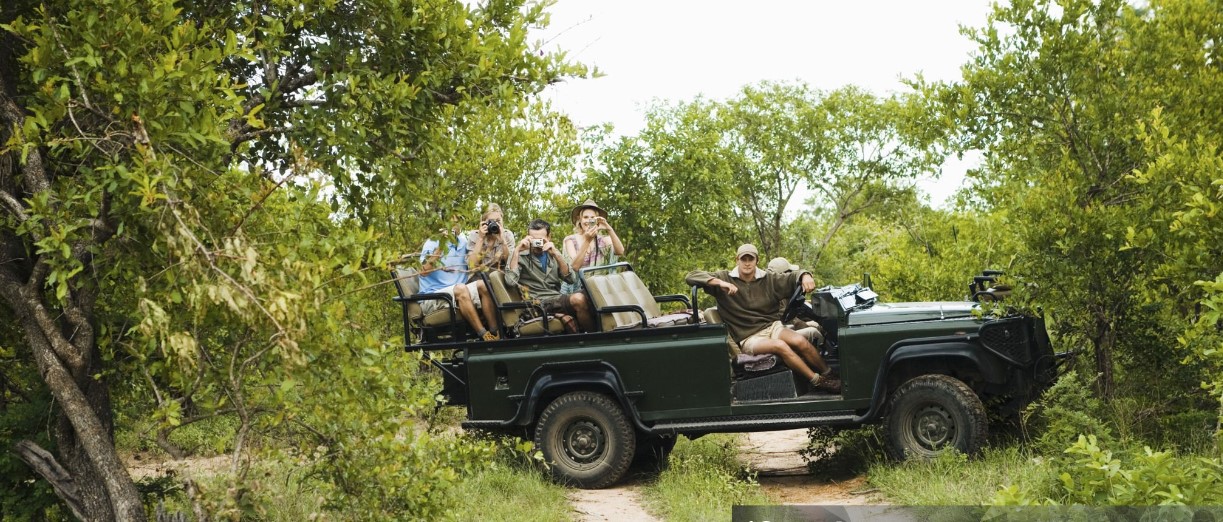
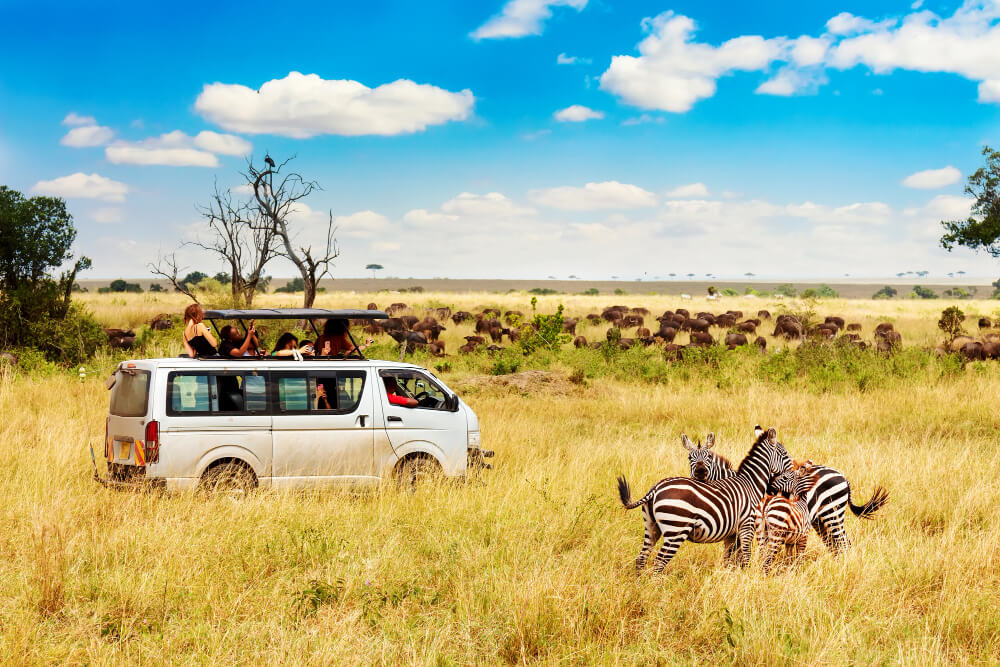
A 4×4 Land Cruiser with pop-up roofs is ideal for comfort and game viewing.
Ensure your vehicle has working AC, charging ports, and a reliable driver-guide.
Stop at cultural sites like Mto wa Mbu village or Maasai bomas.
Stay overnight in towns like Karatu to rest before entering parks.
Bring snacks, water, motion sickness tablets, and entertainment for long drives.
Have a dust mask and wet wipes for dusty roads.
Dry season (June–October) offers better road conditions.
Wet season (November–May) can make some roads impassable.
Group tours follow fixed schedules, while private safaris allow flexibility.
Absolutely! While internal flights save time, an overland safari offers a richer, more authentic experience. You’ll see more of Tanzania’s landscapes, engage with local culture, and save money—all while enjoying the same incredible wildlife sightings.
With proper planning, the right vehicle, and a sense of adventure, a Tanzania safari without flights can be just as spectacular (if not more so) than one reliant on domestic air travel.