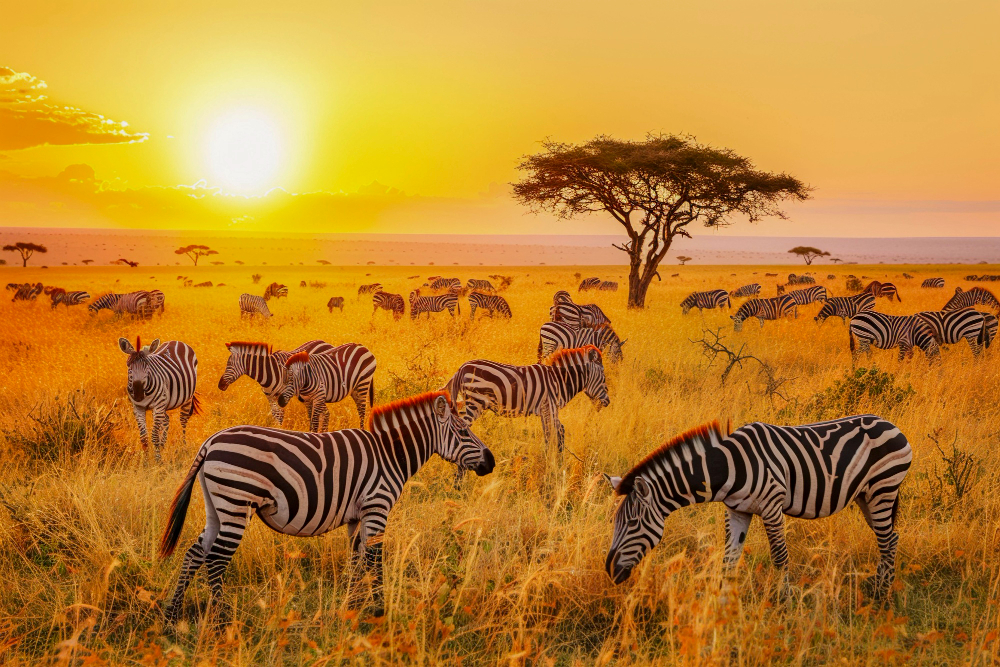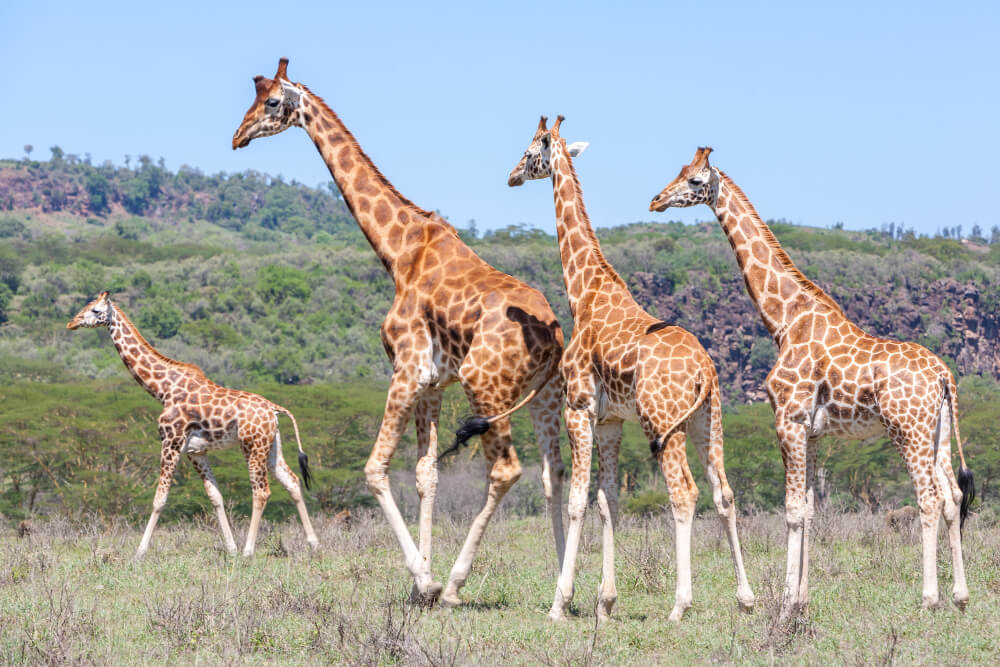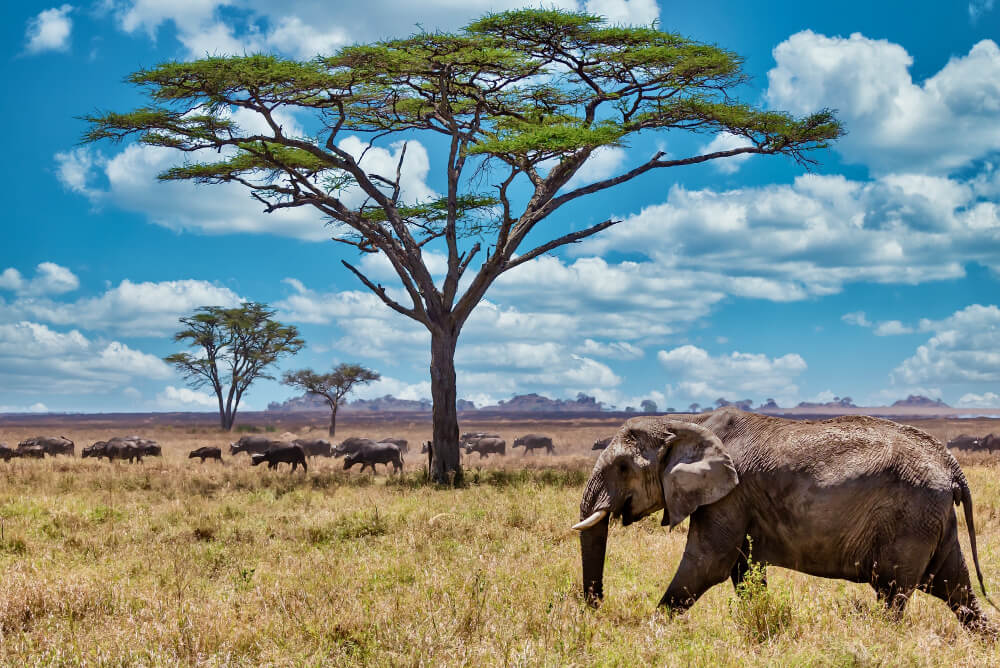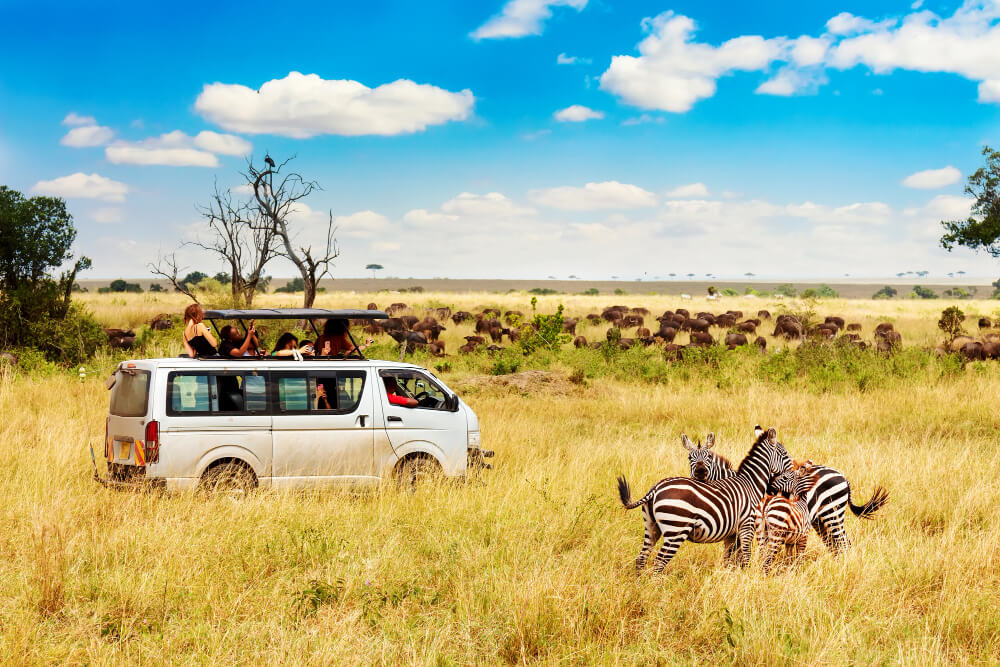

Professional Guide Essential, A Tanzania safari is a dream adventure for many travelers, offering breathtaking landscapes, diverse wildlife, and unforgettable experiences in some of the world’s most renowned national parks, such as the Serengeti, Ngorongoro Crater, Tarangire, and Selous Game Reserve. While the idea of exploring the African wilderness is thrilling, the success and safety of a safari largely depend on one crucial factor: having a professional guide.
A professional safari guide is not just a driver or a narrator but an expert who enhances the entire experience through their knowledge, skills, and understanding of the environment. This article explores the importance of having a professional guide on a Tanzania safari, covering aspects such as wildlife expertise, safety, cultural insights, logistical efficiency, and overall enjoyment.
One of the most significant advantages of having a professional guide is their extensive knowledge of Tanzania’s wildlife and ecosystems.
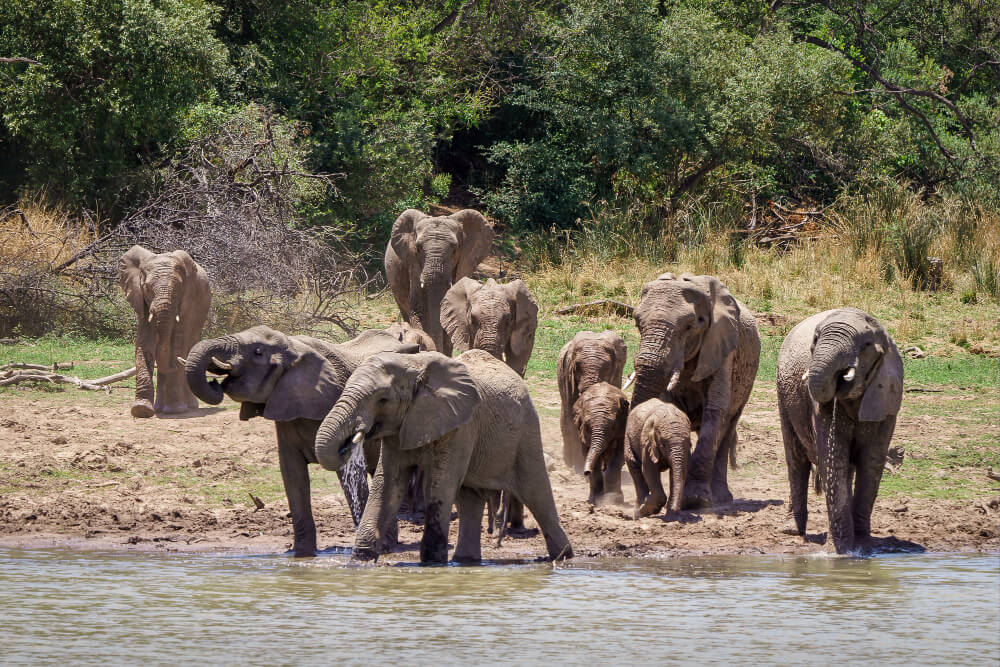
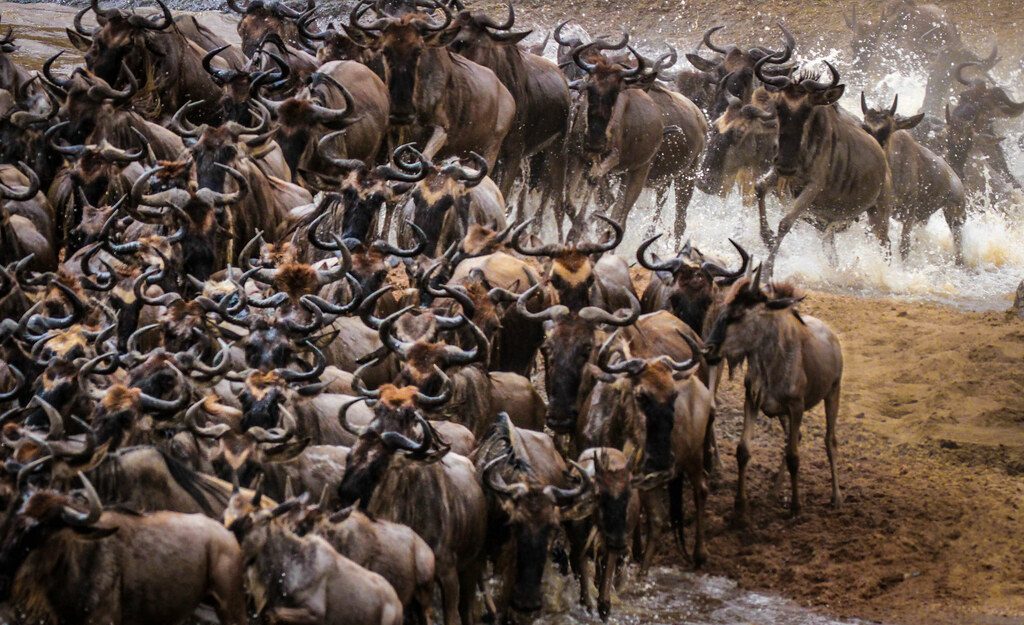
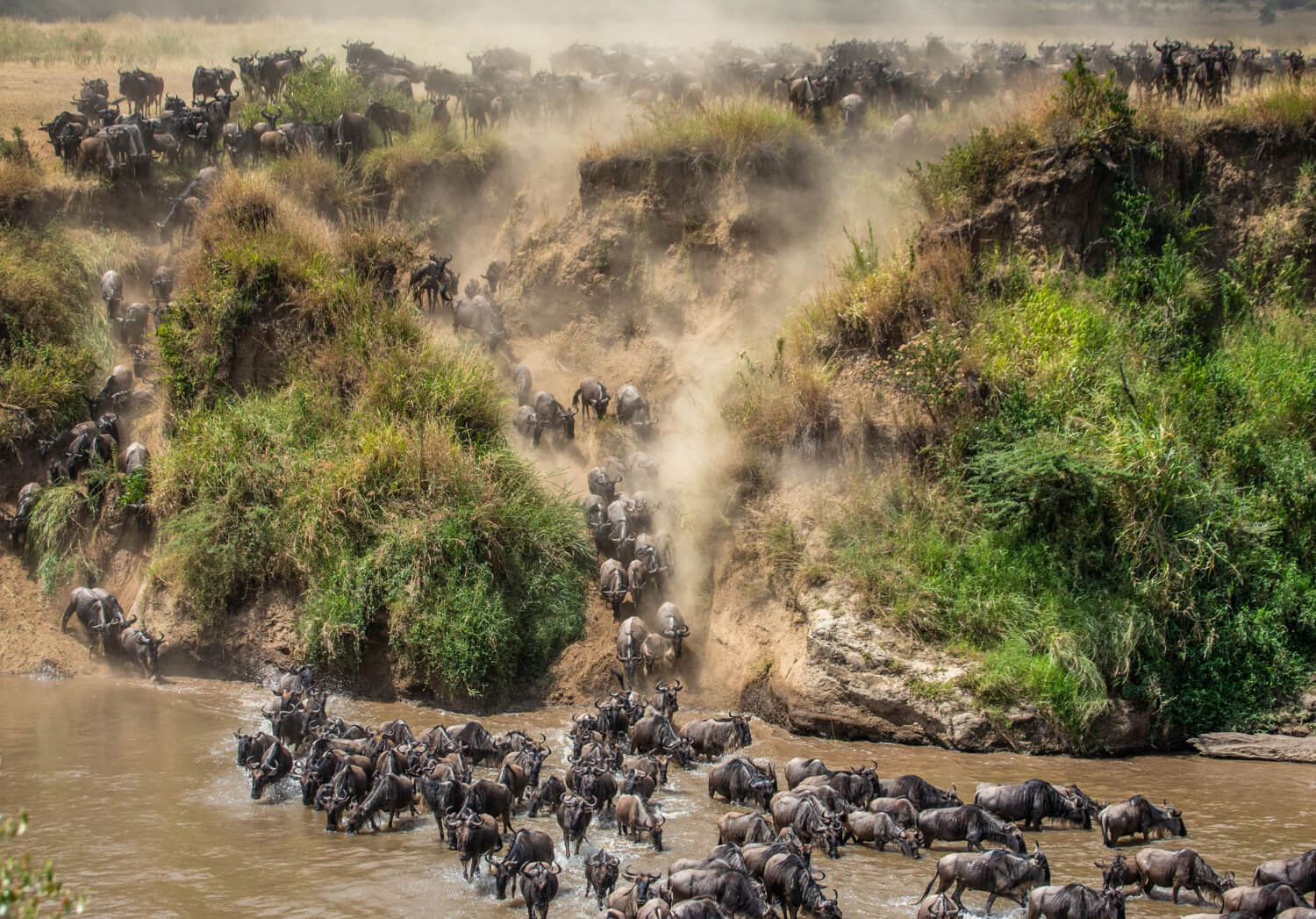
Professional guides undergo rigorous training and years of experience to understand animal behavior. They can identify subtle signs—such as tracks, sounds, and movements—that untrained eyes would miss. For instance, a skilled guide can distinguish between different lion roars, interpret elephant body language, and predict migratory patterns of wildebeest during the Great Migration.
Tanzania is home to over 1,000 bird species and countless plant varieties. A professional guide can identify rare birds, explain symbiotic relationships between flora and fauna, and share fascinating ecological facts that enrich the safari experience.
Professional guides are passionate about conservation. They educate travelers on anti-poaching efforts, habitat preservation, and responsible tourism practices, fostering a deeper appreciation for wildlife protection.
 The African wilderness is unpredictable, and safety should always be a top priority. A professional guide ensures that travelers remain secure while encountering wild animals and navigating challenging terrains.
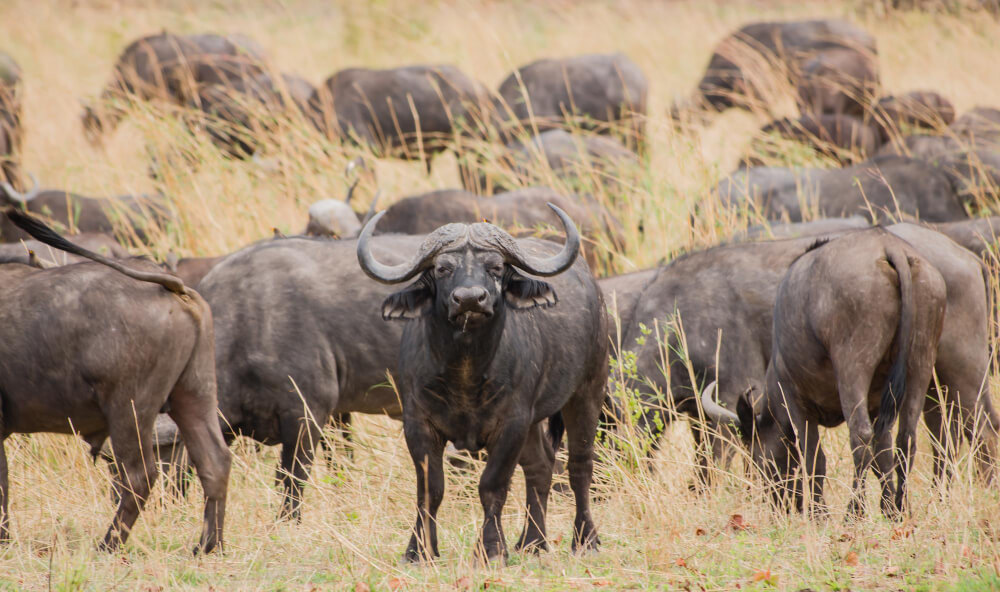
While safaris are generally safe, close encounters with elephants, buffaloes, or big cats can become dangerous if not handled properly. Guides know how to read animal behavior, maintain safe distances, and react calmly in emergencies.
Reputable safari guides are trained in first aid and emergency protocols. In remote areas where medical help is scarce, their ability to handle injuries, snake bites, or sudden illnesses can be life-saving.
Tanzania’s national parks have vast, unmarked terrains. Professional guides are skilled in off-road driving, avoiding dangerous areas, and navigating through dense bush or river crossings without getting stuck.
A professional guide maximizes the chances of witnessing rare and extraordinary wildlife moments.
Experienced guides know the best times and secret spots for sightings. They communicate with other guides via radio to track elusive animals like leopards or rhinos, ensuring guests don’t miss out.
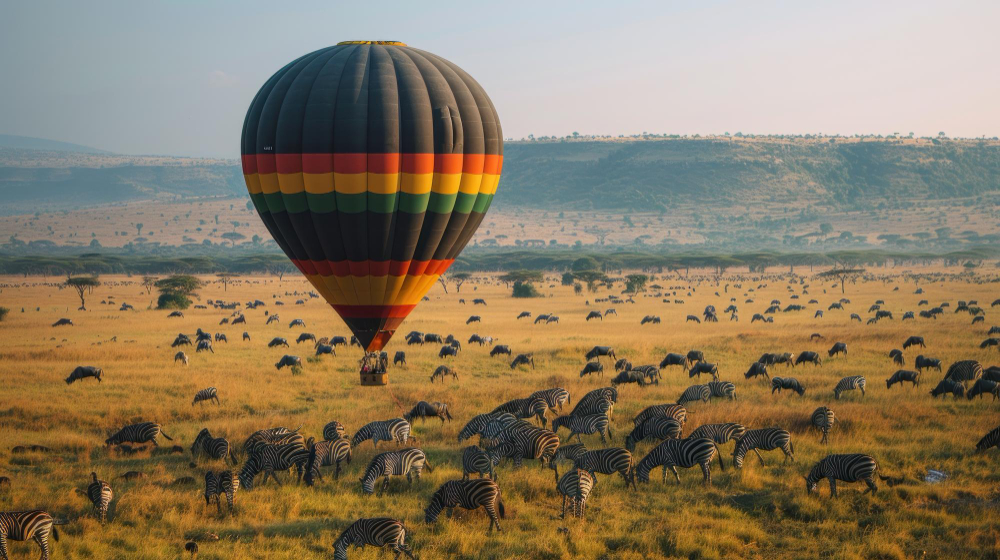
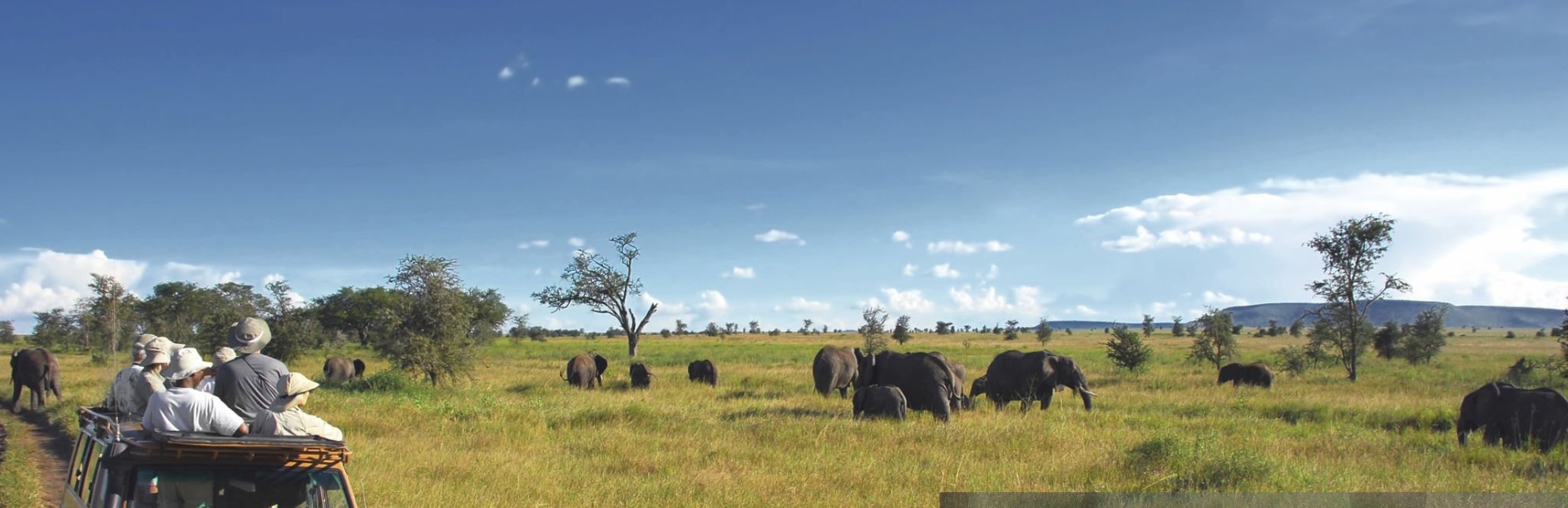
The Serengeti’s Great Migration is a dynamic event. A professional guide predicts herd movements, river crossings, and optimal viewing points, turning a good safari into an extraordinary one.
Some parks permit night drives or walking safaris, which require specialized knowledge. Only licensed guides can lead these activities, offering unique perspectives on nocturnal wildlife.
Tanzania is not just about wildlife; it’s also rich in culture and history. A professional guide bridges the gap between tourists and local communities.
Guides facilitate respectful visits to Maasai villages or Hadzabe hunter-gatherer communities, explaining traditions, customs, and social structures.
From Olduvai Gorge (the “Cradle of Mankind”) to colonial history, guides provide context that enriches the journey beyond just animal sightings.
Planning a safari involves permits, park fees, accommodation, and route optimization. A professional guide handles these complexities, allowing travelers to relax.
Guides ensure compliance with park rules, preventing fines or denied entry. They also know peak visitation times, avoiding crowded areas.
Safari vehicles endure rough conditions. Professional guides work with trusted operators who maintain 4x4s, reducing breakdown risks.
Weather, road conditions, and animal movements can change plans instantly. Guides adjust itineraries seamlessly, ensuring a smooth experience.
A professional guide promotes sustainable tourism, minimizing environmental impact and supporting local economies.
Guides enforce ethical behavior—no off-roading in restricted areas, no feeding animals, and maintaining low noise levels.
Many guides work with local lodges, eateries, and artisans, ensuring tourism benefits Tanzanians directly.
Every traveler has different interests—photography, birdwatching, or family-friendly activities. A professional guide tailors the safari to match these preferences.
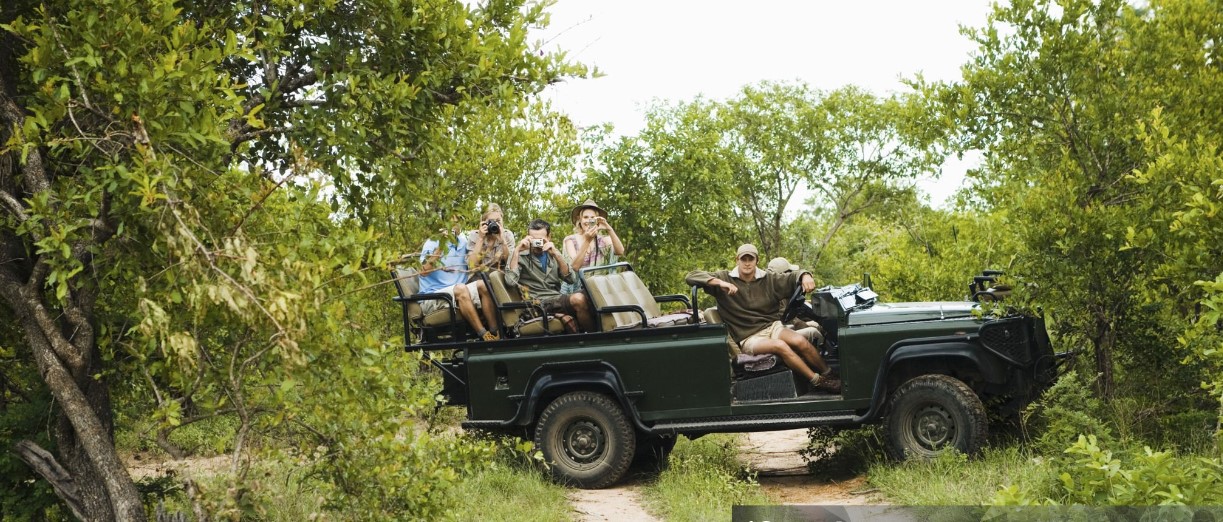
Guides position vehicles for the best lighting and angles, helping photographers capture stunning shots.
A great guide narrates captivating stories about animal behaviors, folklore, and survival tactics, making the safari educational and entertaining.
A Tanzania safari is a once-in-a-lifetime adventure, and having a professional guide elevates it from a simple tour to an immersive, safe, and enlightening journey. Their expertise in wildlife, safety protocols, cultural insights, and logistical management ensures that travelers gain the most from their experience while contributing to conservation and local communities.
While it may be tempting to opt for a budget safari with an inexperienced guide, the risks and missed opportunities far outweigh the cost savings. Investing in a professional guide guarantees not just a trip, but a transformative encounter with Africa’s wild heart. Whether it’s tracking the Big Five, witnessing the Great Migration, or learning about indigenous cultures, a professional guide is the key to unlocking Tanzania’s true magic.