
Respectful elephant encounters allowed, Tarangire National Park, located in northern Tanzania, is one of Africa’s most spectacular wildlife destinations. Known for its massive elephant herds, ancient baobab trees, and diverse ecosystems, the park offers an unparalleled safari experience. Among the most frequently asked questions by visitors is: How close can I get to elephants in Tarangire?
The answer depends on several factors, including park regulations, the behavior of the elephants, the type of safari vehicle you’re in, and the expertise of your guide. In this article, we’ll explore the best ways to safely and responsibly observe these majestic creatures up close while respecting their natural habitat.
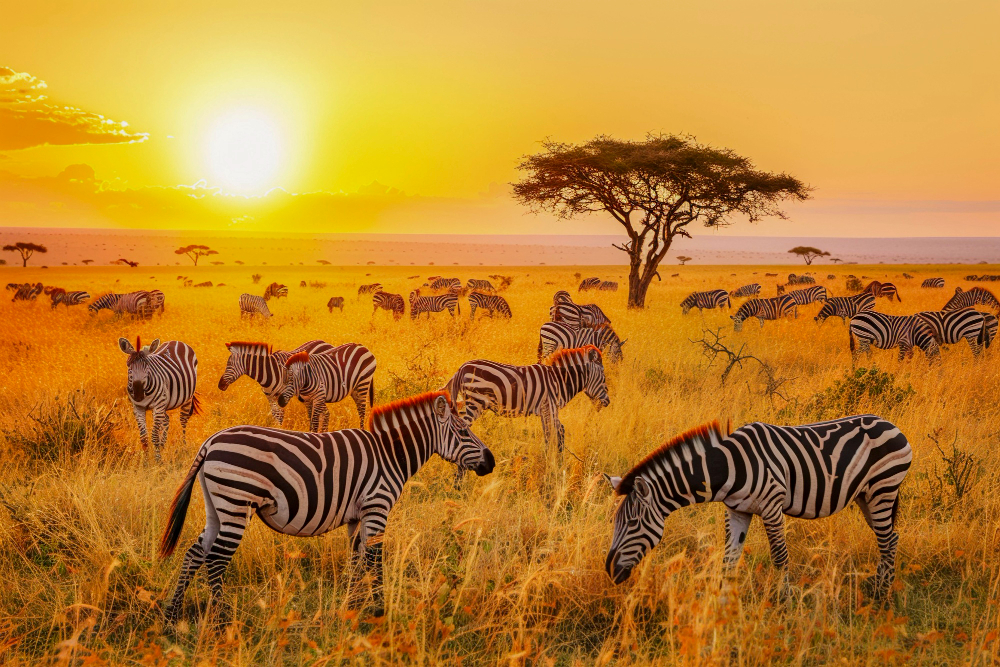
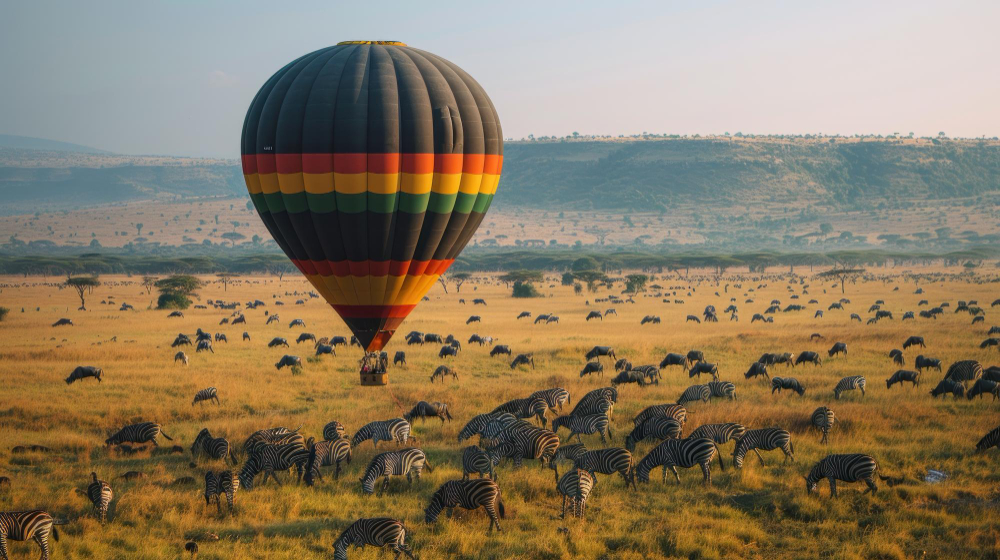
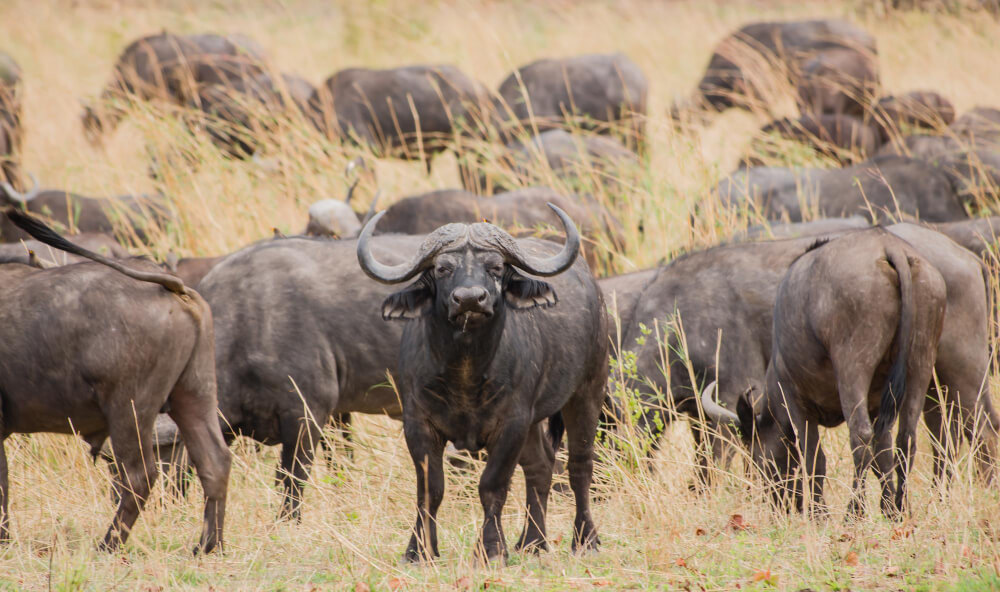
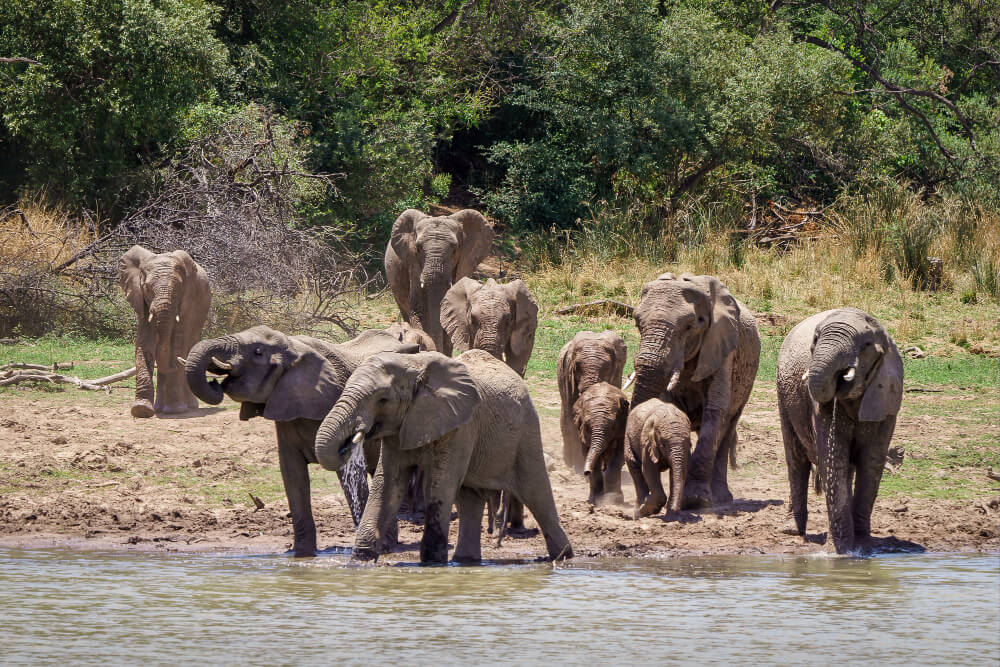
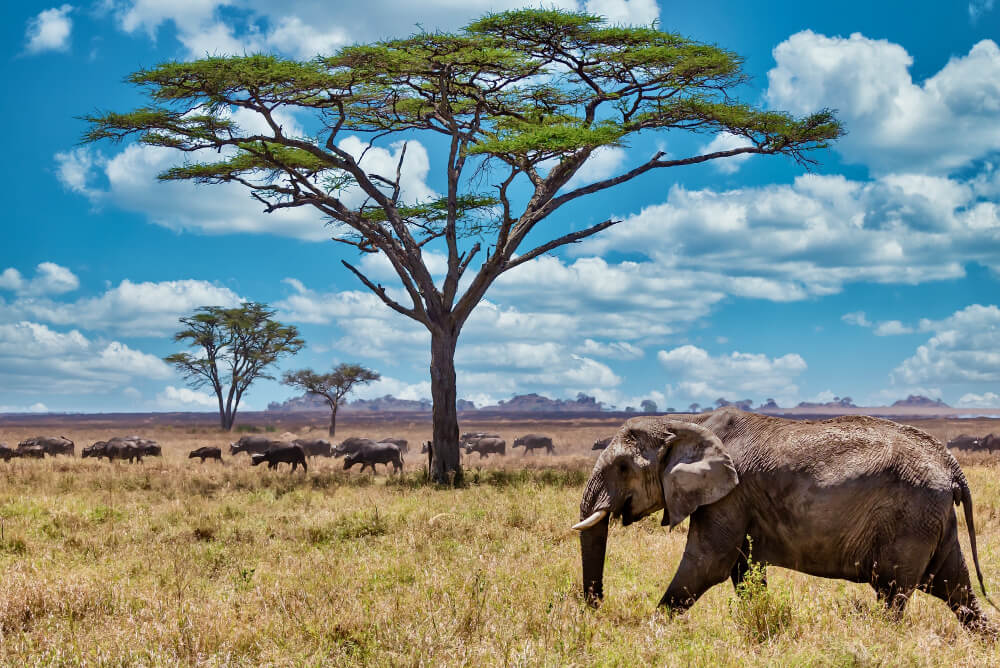
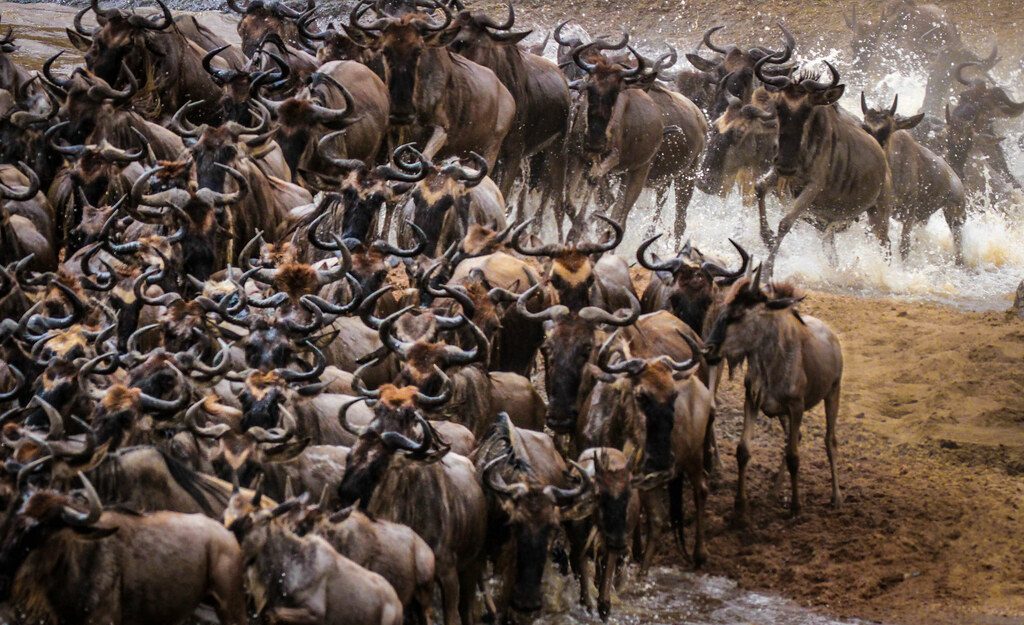
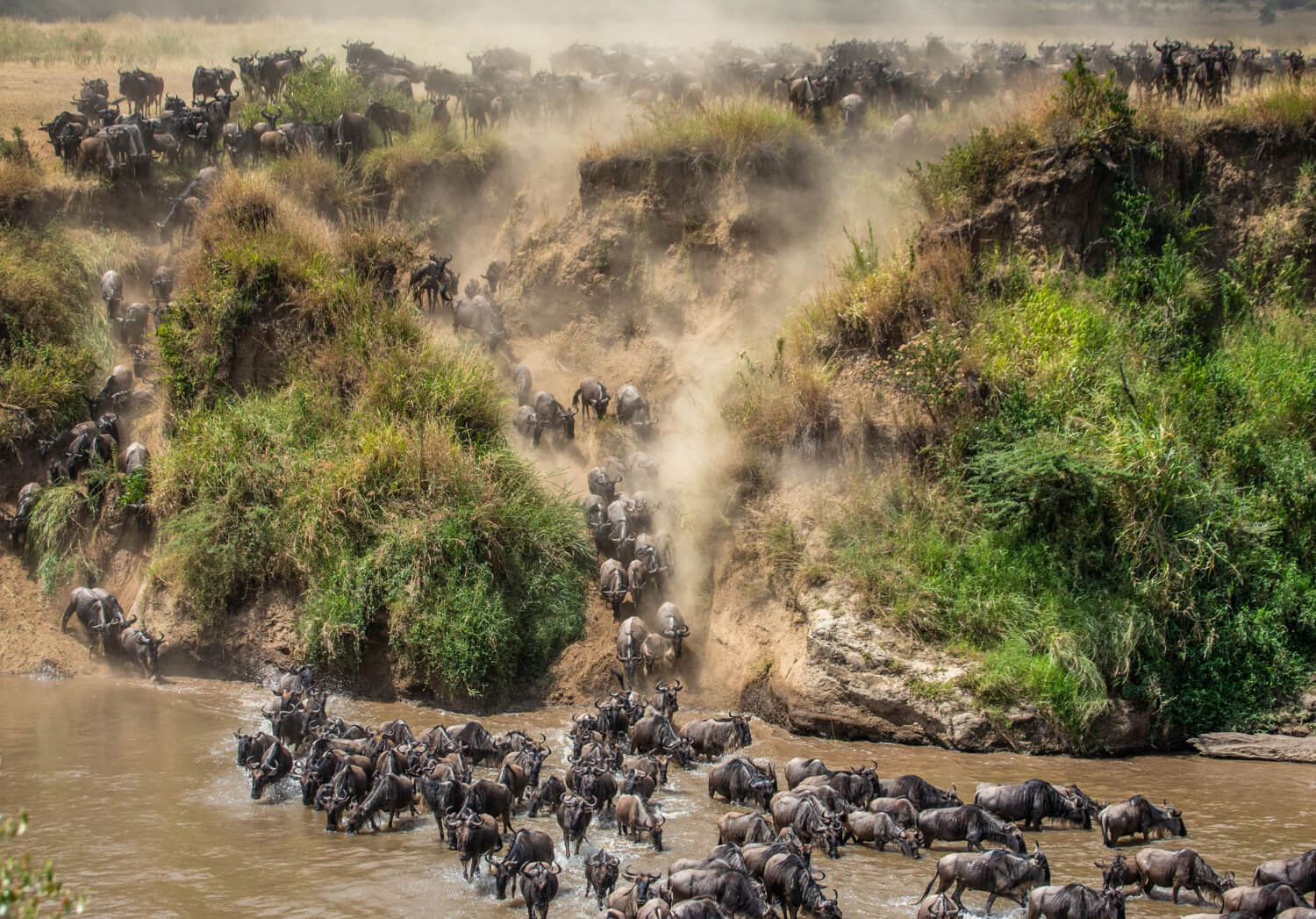
Before discussing proximity, it’s essential to understand why Tarangire is such a prime location for elephant sightings. The park is home to one of the largest elephant populations in Tanzania, with estimates suggesting over 3,000 individuals. During the dry season (June to October), the Tarangire River becomes a vital water source, attracting enormous herds of elephants, along with other wildlife like zebras, wildebeests, and buffalo.
Elephants in Tarangire are generally more relaxed around vehicles compared to some other parks, making close encounters possible. However, their tolerance should never be taken for granted—these are still wild animals with unpredictable behavior.
Tarangire National Park, like all Tanzanian national parks, follows strict wildlife viewing guidelines to ensure both visitor safety and animal welfare. While there is no fixed minimum distance enforced by law, responsible safari operators adhere to the following best practices:
Maintain a Safe Distance: Most guides keep a buffer of at least 10–20 meters (30–65 feet) from elephants. This distance prevents stress to the animals and reduces the risk of aggressive behavior.
Avoid Blocking Their Path: Elephants have right-of-way. If they are moving toward a waterhole or along a trail, vehicles should never obstruct them.
No Off-Road Driving: Staying on designated tracks minimizes environmental damage and prevents unnecessary disturbance to wildlife.
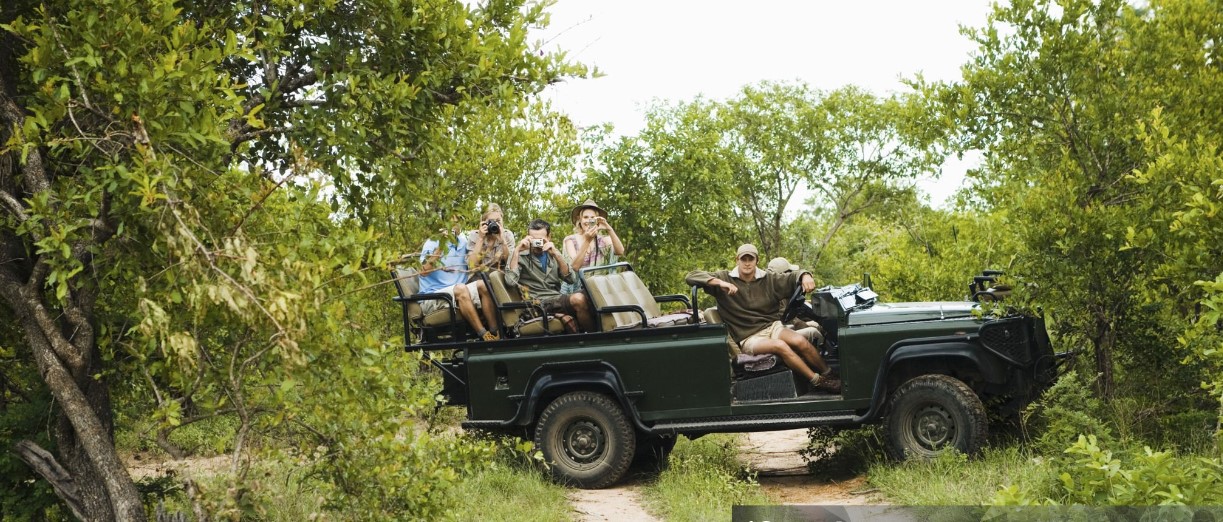
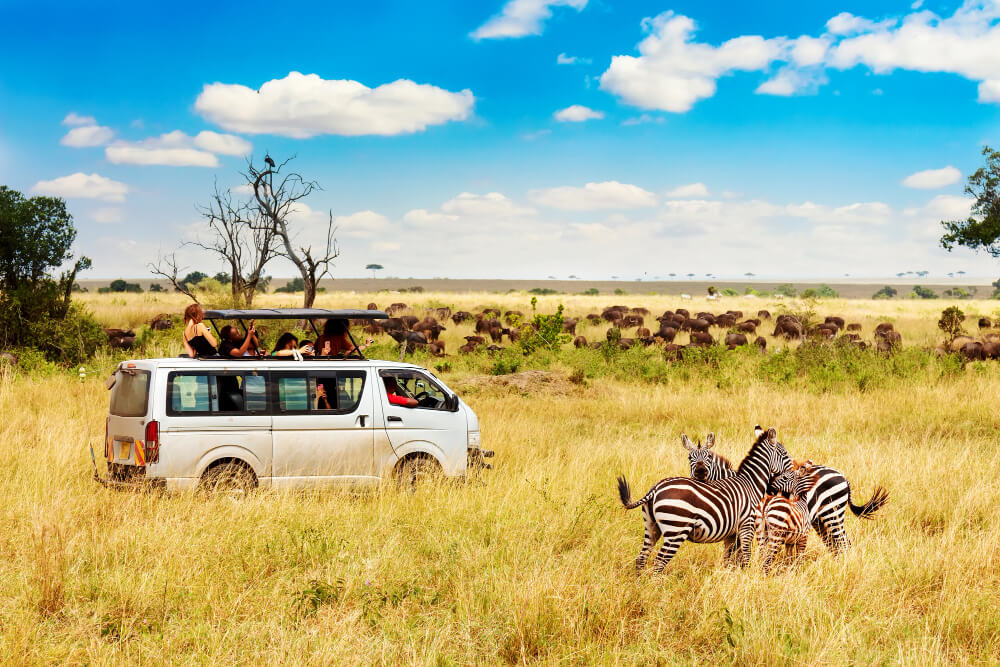
The most common (and safest) way to observe elephants in Tarangire is from a safari vehicle. These 4×4 Land Cruisers or Land Rovers are designed for wildlife viewing, providing:
Elevated Seating: Being higher than ground level makes you less threatening to elephants.
Cover and Protection: The vehicle acts as a blind, allowing elephants to perceive you as a single, non-threatening entity rather than individual humans.
Guide Expertise: Experienced guides know how to position the vehicle for optimal viewing without provoking the animals.
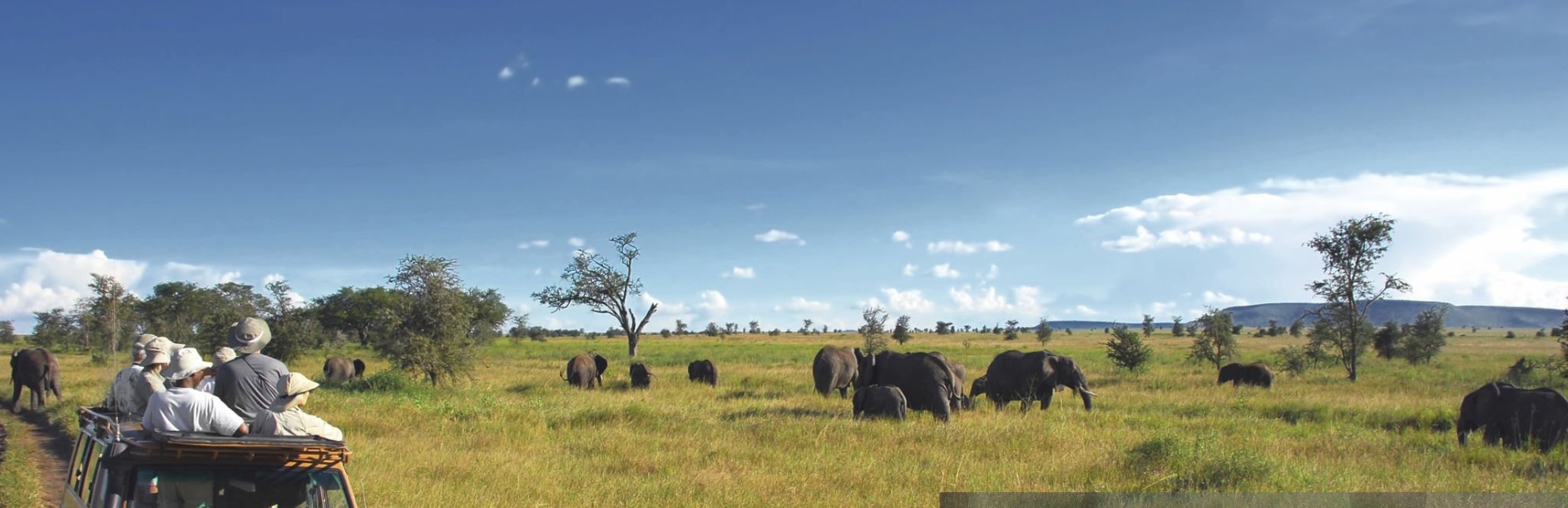
In Tarangire, it’s not uncommon for elephants to approach vehicles voluntarily, sometimes coming within 5–10 meters (15–30 feet)—especially if they’re accustomed to safari traffic. Calm, older bulls and matriarch-led family groups may even walk right past your vehicle without concern.
For those seeking an even closer encounter, some lodges and tour operators offer walking safaris in the park’s buffer zones or private concessions. These excursions are led by armed guides and provide a thrilling, ground-level perspective of elephants and other wildlife.
However, the rules are much stricter on foot:
Minimum Distance: Typically 50 meters (165 feet) or more, depending on the elephants’ behavior.
No Sudden Movements: Quiet, slow movements are essential to avoid startling the animals.
Wind Direction Matters: Guides will position you downwind so elephants don’t catch your scent.
Walking safaris are not about getting as close as possible but rather about observing elephants in their natural environment with minimal interference.
Photographers often wonder how to capture the best shots without disturbing the elephants. Here are some tips:
Use a Zoom Lens: A 200–400mm lens allows for close-up shots without needing to approach too closely.
Patience is Key: Let elephants come to you rather than chasing them with the vehicle.
Avoid Flash Photography: Sudden bright lights can agitate wildlife.
Some of the most breathtaking images come from moments when elephants interact naturally—dust bathing, drinking, or play-fighting—all of which can be observed from a respectful distance.
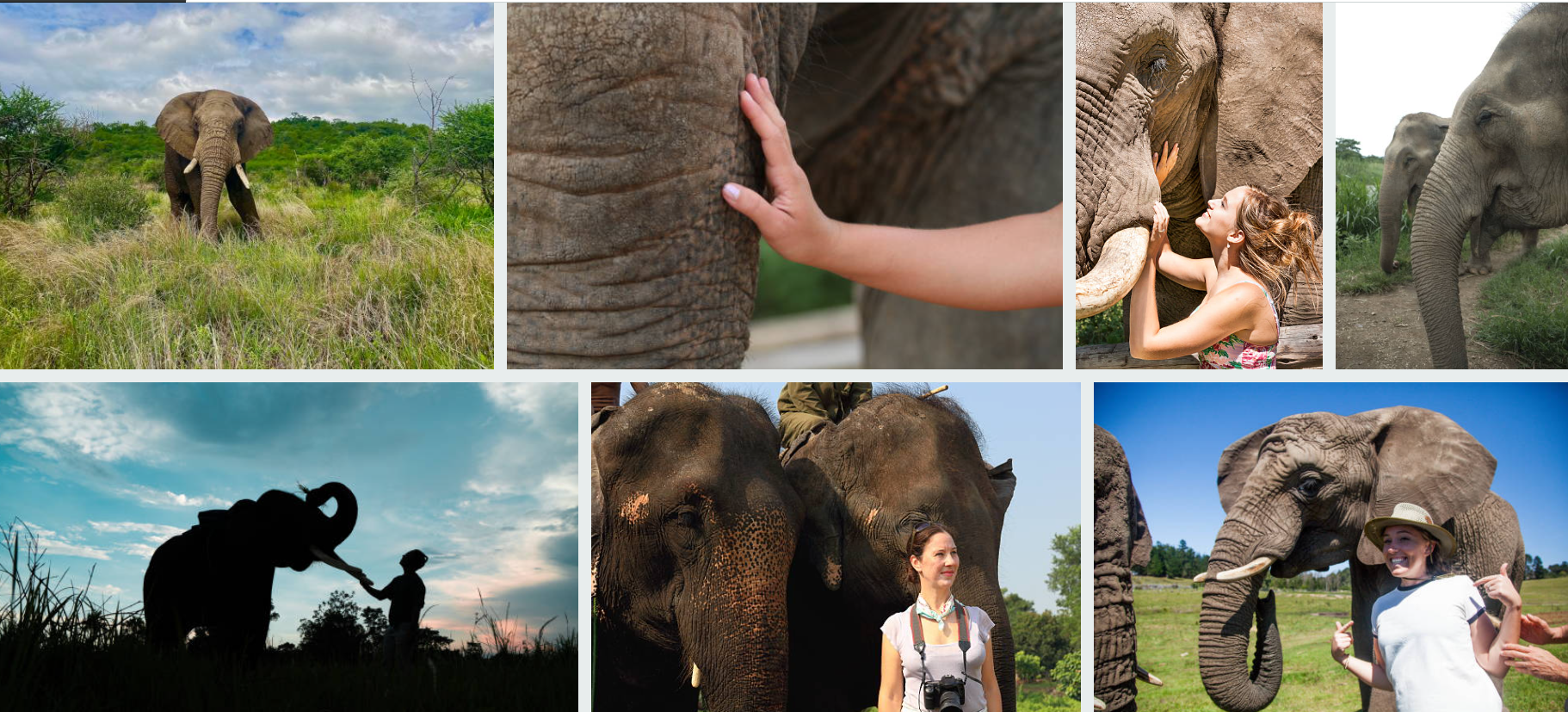
While close encounters are thrilling, they can also be dangerous if not handled properly. Elephants, especially bulls in musth (a hormonal condition) or protective mothers with calves, can be unpredictable.
Ear Flapping and Trumpeting: Warning signs that the elephant is uncomfortable.
Head Shaking or Mock Charges: A bluff charge may precede a real one if the threat isn’t removed.
Raised Tail: Indicates heightened alertness or aggression.
Stay Calm and Quiet: Avoid loud noises or sudden movements.
Do Not Stand Up or Lean Out: Remain seated inside the vehicle.
Let the Guide Handle It: They may start the engine (a familiar sound) or slowly reverse if necessary.
In rare cases where an elephant becomes aggressive, the guide will know how to retreat safely. Trust their judgment—they are trained for these situations.
When water is scarce, elephants congregate around the Tarangire River, swamps, and remaining waterholes. This is the best time for close-up sightings as they are more focused on drinking and feeding than on avoiding vehicles.
Tarangire River: The lifeline of the park, attracting hundreds of elephants daily.
Silale Swamp: A lush wetland area where elephants graze on aquatic plants.
Lemiyon and Larmakau Marshes: Less crowded spots with high elephant activity.
Elephants are most active during cooler hours, making dawn and dusk ideal for sightings. The golden light also enhances photography opportunities.
While the temptation to get as close as possible is understandable, responsible tourism means prioritizing the well-being of the animals. Here’s how you can help:
Choose Ethical Tour Operators: Support companies that follow sustainable and respectful wildlife practices.
Avoid Crowding Animals: If multiple vehicles surround an elephant, give them space.
Never Feed Wildlife: Human food is harmful to elephants and alters their natural behavior.
In Tarangire National Park, you can get remarkably close to elephants—sometimes within 5–10 meters from a vehicle—but the key is to let them dictate the distance. By following park guidelines, trusting your guide, and practicing patience, you’ll enjoy unforgettable encounters while ensuring these magnificent animals remain undisturbed in their natural habitat.
Whether you’re watching a herd of elephants march across the savanna, a baby playfully splashing in a mud hole, or a massive bull feeding on baobab bark, Tarangire offers some of the most intimate and awe-inspiring wildlife experiences in Africa. The privilege of being so close to these gentle giants comes with the responsibility to protect and respect them—ensuring they thrive for generations to come.
Tarangire’s elephants are a testament to the park’s incredible biodiversity. By visiting with awareness and respect, you contribute to their conservation while creating memories that will last a lifetime. So, pack your camera, listen to your guide, and prepare for an adventure where the line between observer and observed blurs—just enough to make your safari truly magical.