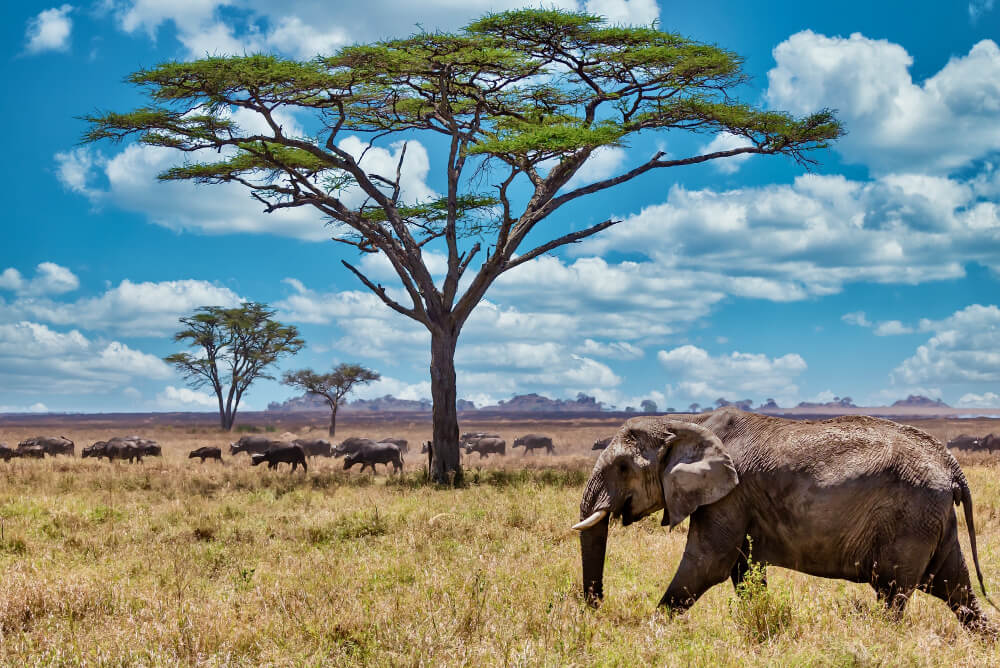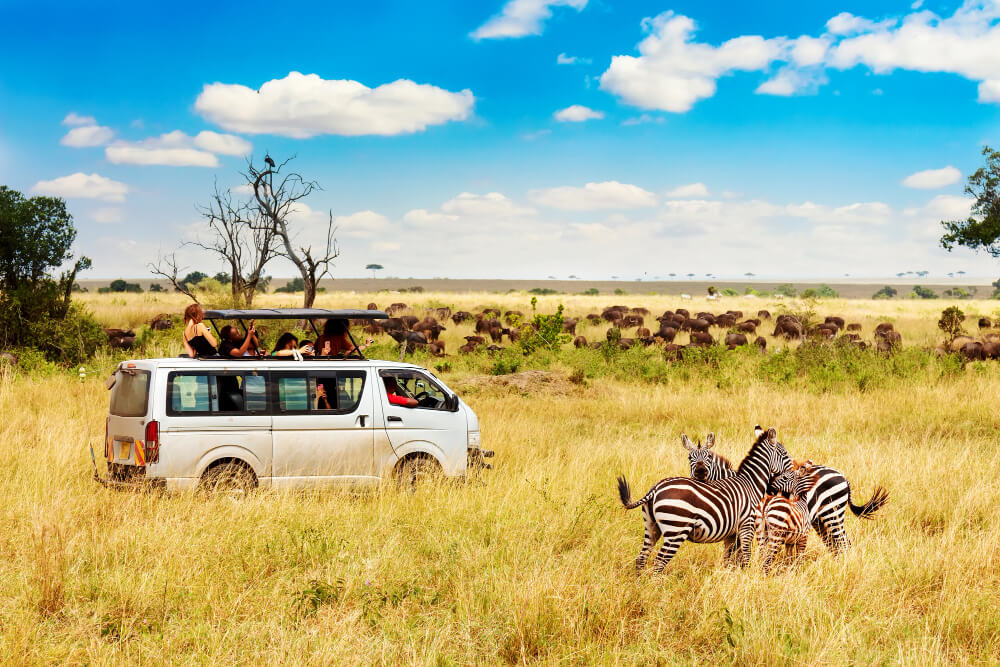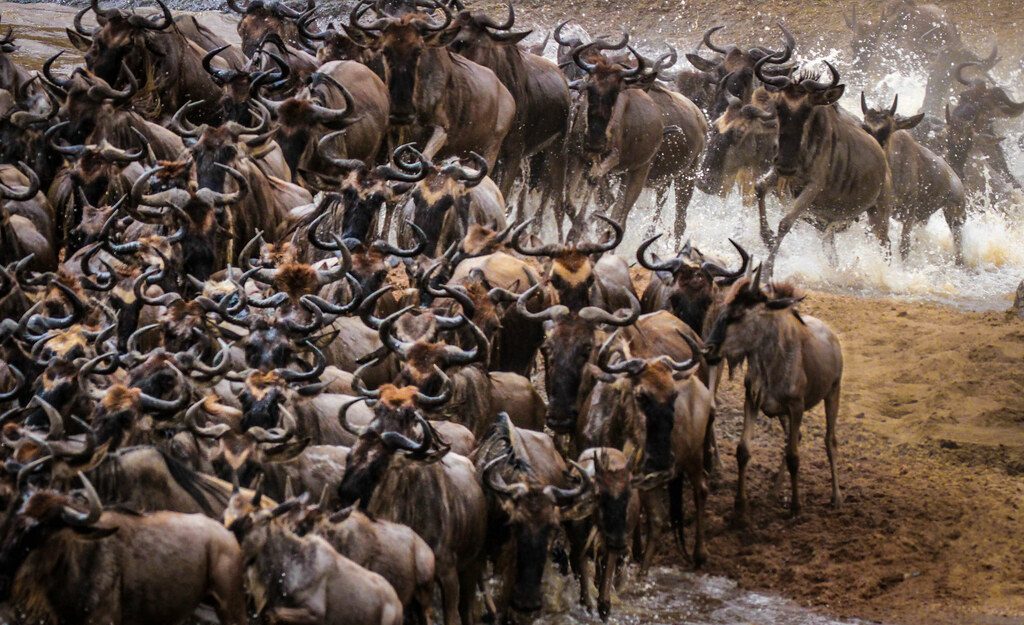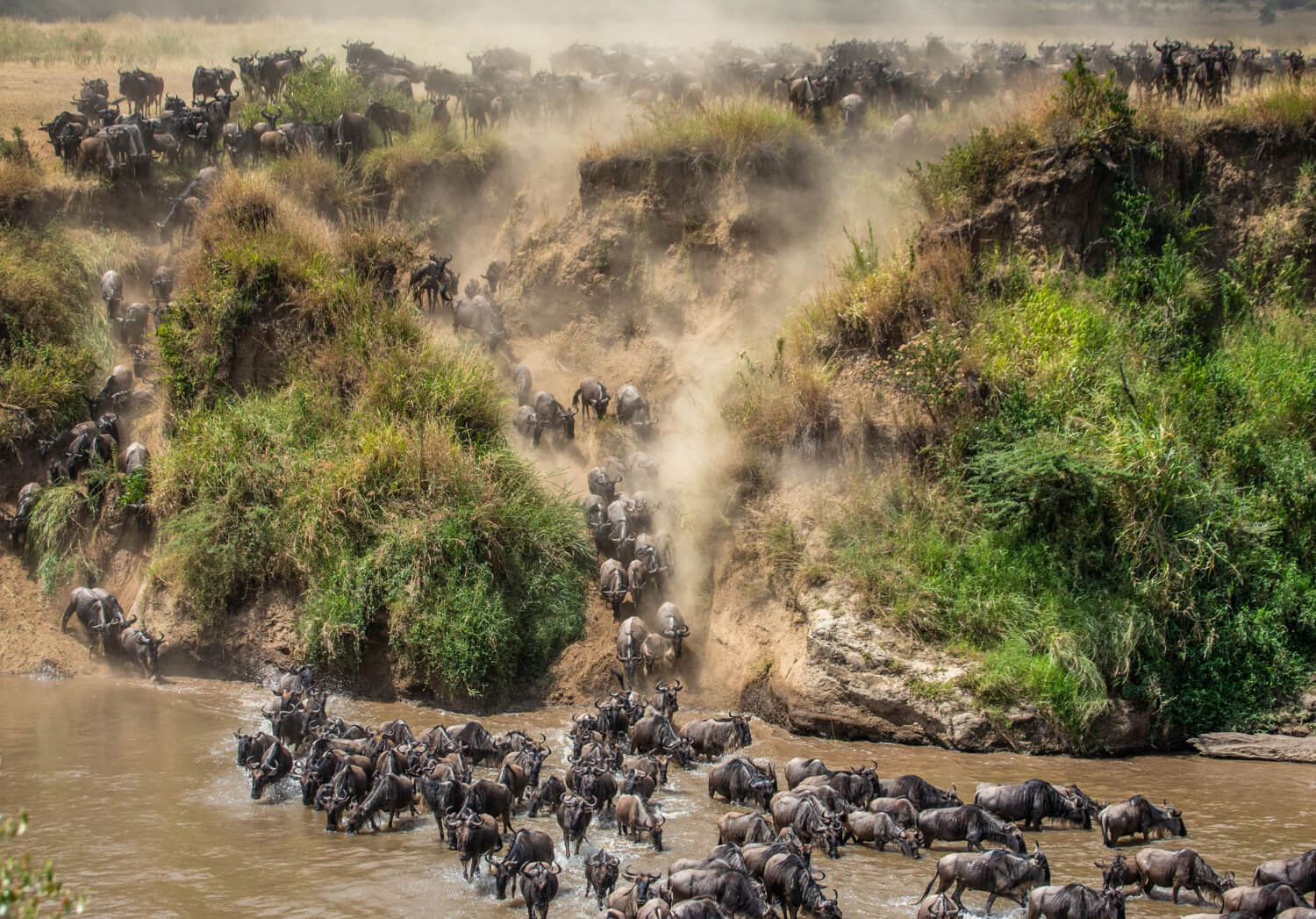

Scan Trees at Dawn, The Serengeti National Park in Tanzania is one of Africa’s most iconic wildlife destinations, renowned for its vast plains, the Great Migration, and the Big Five. Among these, the leopard (Panthera pardus) is perhaps the most elusive and enigmatic. Spotting a leopard in the Serengeti is a thrilling experience, but it requires patience, knowledge, and a bit of luck.
This guide will provide you with expert tips on how to maximize your chances of seeing leopards in the Serengeti, covering:
Understanding Leopard Behavior
Best Times for Leopard Sightings
Prime Locations in the Serengeti
Essential Safari Tips for Spotting Leopards
Ethical Wildlife Viewing Practices
By the end of this article, you’ll be well-equipped to embark on a leopard-spotting adventure in one of the world’s greatest wilderness areas.
Leopards are solitary, secretive, and highly adaptable cats. Unlike lions, which are often seen in prides, leopards prefer to stay hidden, making them a challenge to find. Here are some key behavioral traits that can help you spot them:
Leopards are most active during dawn, dusk, and night. They rest during the day, often in trees or dense thickets. Early morning and late afternoon game drives are your best bet for sightings.
Unlike cheetahs, leopards are excellent climbers. They often drag their prey into trees to avoid scavengers like hyenas and lions. Scanning acacia and sausage trees (Kigelia africana) with binoculars can reveal a lounging leopard.
Leopards mark their territory with scratch marks on trees and scent markings. Guides often look for these signs to track their presence.
Leopards stalk their prey silently, using tall grass and rocky outcrops for cover. Watching for sudden movements or alarm calls from antelopes and monkeys can indicate a nearby leopard.
Timing is crucial when searching for leopards. The Serengeti’s seasons influence wildlife behavior, and understanding these patterns increases your chances.
Pros: Vegetation is sparse, making leopards easier to spot.
Cons: High tourist traffic may disturb wildlife.
Best Months: July and August, when leopards are more active near water sources.
Pros: Lush landscapes, fewer tourists, and excellent photography lighting.
Cons: Dense foliage makes leopards harder to see.
Best Months: January – February (calving season means more hunting opportunities for leopards).
Early Morning (5:30 AM – 9:00 AM): Leopards are returning from night hunts and may still be active.
Late Afternoon (4:00 PM – 6:30 PM): As temperatures cool, leopards become more mobile.
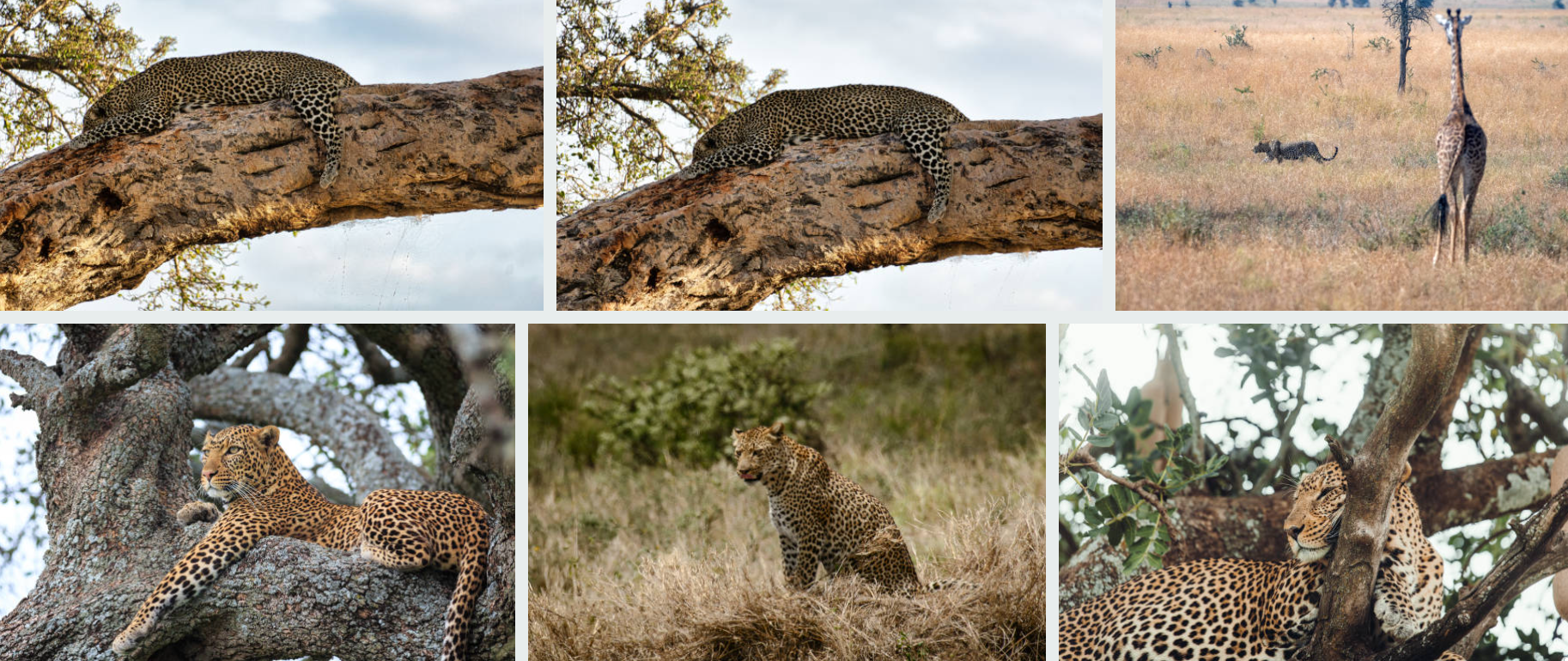
While leopards roam throughout the Serengeti, certain areas have higher densities due to prey availability and habitat preferences.
Why? Known as the “Big Cat Capital,” this region has riverine forests and kopjes (rocky outcrops) that leopards favor.
Key Spots: Seronera River, Maasai Kopjes, and Moru Kopjes.
Why? Dense woodlands and riverine habitats attract leopards, especially during the dry season.
Key Spots: Grumeti Reserves and Nyasirori area.
Why? Less crowded, with good leopard populations near waterholes and rocky terrain.
Key Spots: Lobo Kopjes and Bologonja Springs.
Why? During the wet season, leopards follow migratory prey here.
Key Spots: Ndutu Woodlands and Lake Ndutu.
Even in prime locations, leopards can be hard to find. These expert tips will improve your odds:
Local guides know leopard hotspots and can interpret animal tracks and calls.
Private guides or specialized leopard-tracking tours increase success rates.
Leopards blend into trees and rocks—high-quality optics help detect them from a distance.
Vervet monkeys, baboons, and impalas give loud alarm calls when a leopard is near.
Guides often follow paw prints or droppings to locate leopards.
Leopards are shy; avoid loud noises and sudden movements.
Spend extra time near known leopard territories rather than rushing between spots.
Some private concessions allow night drives with spotlights, increasing chances of spotting nocturnal leopards.
While spotting a leopard is exciting, responsible tourism ensures their protection.
Never approach too closely; use zoom lenses instead.
Respect park rules on off-roading to avoid habitat destruction.
Bright flashes can startle leopards and disrupt their natural behavior.
Choose eco-friendly lodges and tour operators that contribute to leopard conservation.
Artificial feeding alters natural behaviors and can make leopards dependent on humans.
Spotting a leopard in the Serengeti is a rare and unforgettable experience. By understanding their behavior, visiting the right locations at optimal times, and employing expert tracking techniques, you can significantly increase your chances.
Remember, patience and respect for wildlife are key. Every sighting is a privilege, and ethical practices ensure that future generations can also enjoy the thrill of encountering these magnificent cats in the wild.
So pack your binoculars, book a knowledgeable guide, and embark on your Serengeti adventure—the elusive leopard awaits!