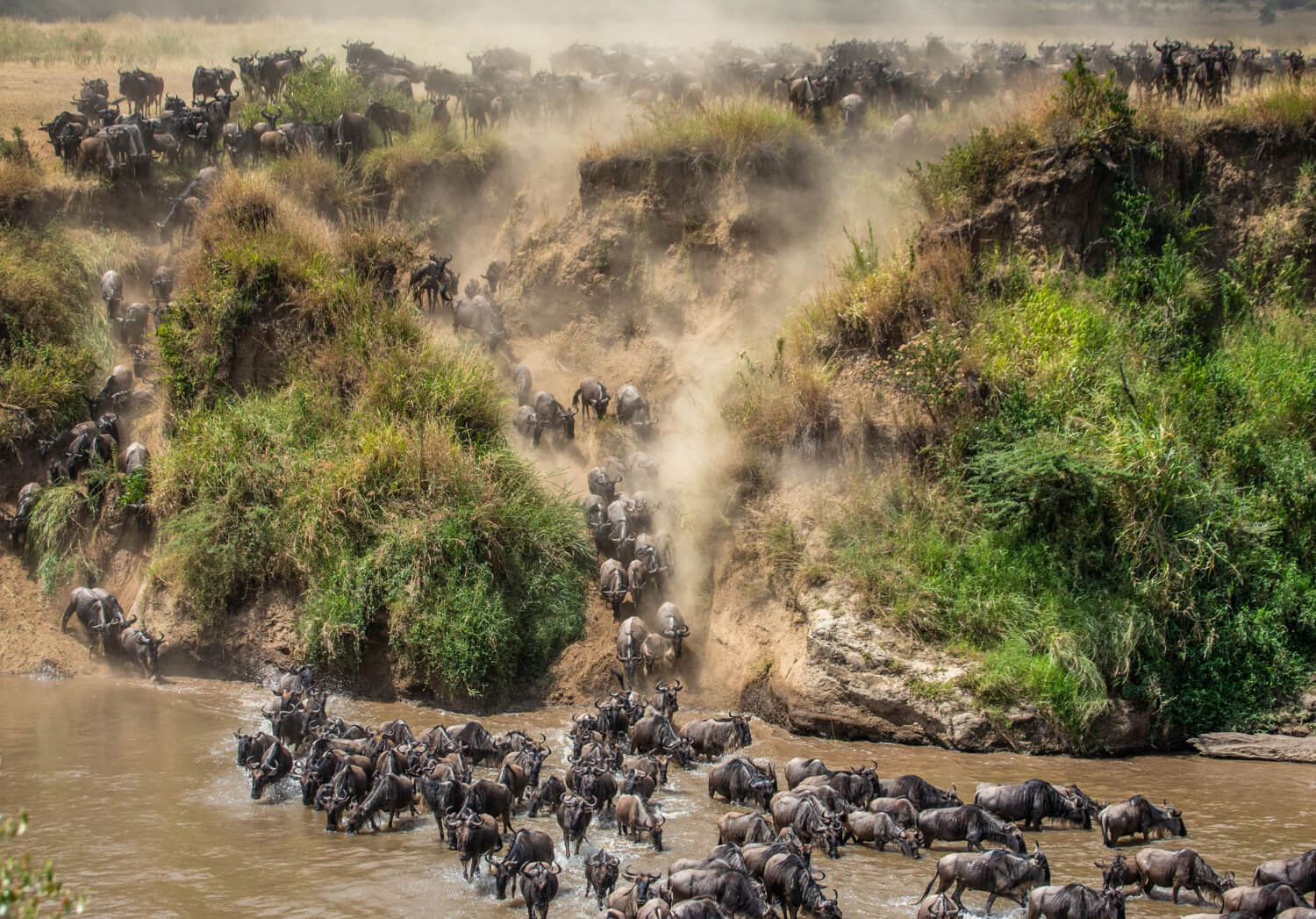

Tanzania Park Seasonal Closures, Tanzania is home to some of Africa’s most iconic national parks, including the Serengeti, Ngorongoro Crater, Tarangire, and Ruaha. These parks attract thousands of tourists each year, offering unparalleled wildlife viewing, breathtaking landscapes, and unforgettable safari experiences. However, like many protected areas around the world, some of Tanzania’s national parks and reserves undergo seasonal closures. These closures are implemented for conservation purposes, park maintenance, or due to weather conditions that make travel unsafe.
For travelers planning a safari in Tanzania, understanding these seasonal closures is crucial to avoid disappointment and ensure a smooth trip. In this article, we will explore:
Why Do Tanzania’s National Parks Close Seasonally?
Which Parks Have Seasonal Closures?
Alternative Safari Options During Closures
Best Times to Visit Tanzania’s National Parks
How to Plan Your Trip Around Park Closures
Seasonal closures in Tanzania’s national parks serve several important purposes:
National parks are vital ecosystems that require periodic rest from human activity. Closing certain areas or entire parks during specific seasons helps reduce environmental stress, allowing vegetation to recover and wildlife to breed undisturbed.
Tanzania experiences two major rainy seasons: the long rains (March to May) and the short rains (November to December). During these periods, some parks become inaccessible due to flooded roads, muddy trails, and swollen rivers. Temporary closures ensure visitor safety and prevent damage to park infrastructure.
Some parks close sections for maintenance, such as road repairs, lodge renovations, or anti-poaching operations. These closures help improve the overall visitor experience and enhance conservation efforts.
In parks like the Serengeti, wildlife migration dictates accessibility. While the park remains open year-round, certain areas may be temporarily restricted to protect migrating herds or nesting birds.
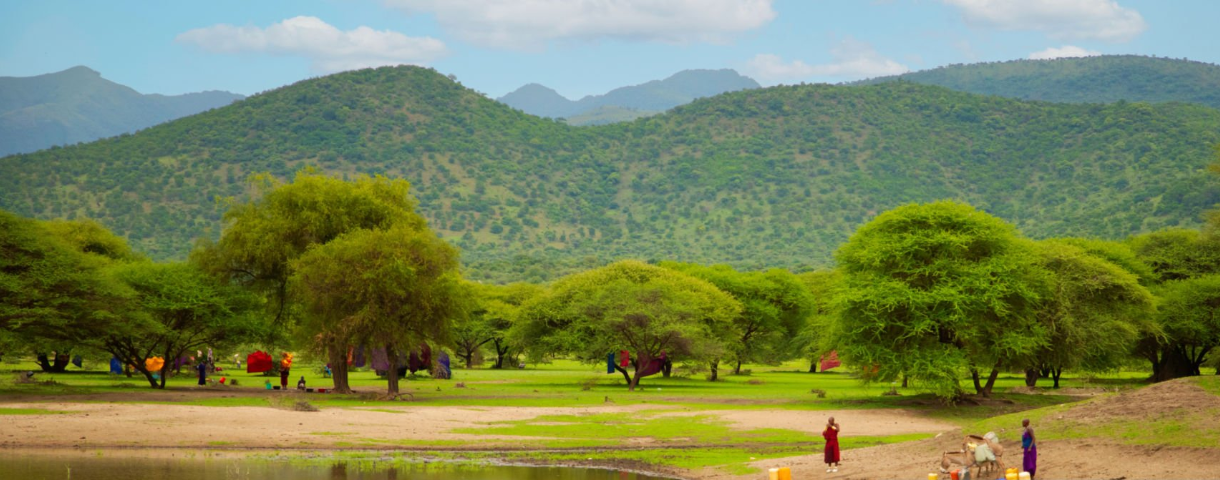
While most of Tanzania’s major national parks remain open throughout the year, some have specific seasonal closures. Below is a breakdown of key parks and their closure schedules:
Closure Period: Typically March to May (peak of the long rains).
Reason: Heavy rainfall makes roads impassable, and wildlife disperses to surrounding areas.
Alternative: Visit Lake Manyara or Serengeti, which remain accessible.
Closure Period: Some sectors close during the April to June rainy season.
Reason: Flooding and difficult road conditions.
Alternative: Boat safaris may still operate along the Rufiji River.
Closure Period: Some lodges close from March to May due to heavy rains.
Reason: Remote location becomes difficult to access.
Alternative: Southern parks like Mikumi remain open.
Closure Period: Some lodges shut down during March to May.
Reason: Heavy rains make trekking to see chimpanzees challenging.
Alternative: Visit Gombe Stream National Park instead.
Closure Period: Many camps close from March to May.
Reason: Extreme remoteness and flooding.
Alternative: Consider visiting in the dry season (June-October).
Closure Period: Some trails may close during heavy rains.
Reason: Slippery and dangerous hiking conditions.
The Serengeti, Ngorongoro Crater, Lake Manyara, and Arusha National Park remain open year-round, though some roads may be affected by rain.
If your preferred park is closed during your travel dates, consider these alternatives:
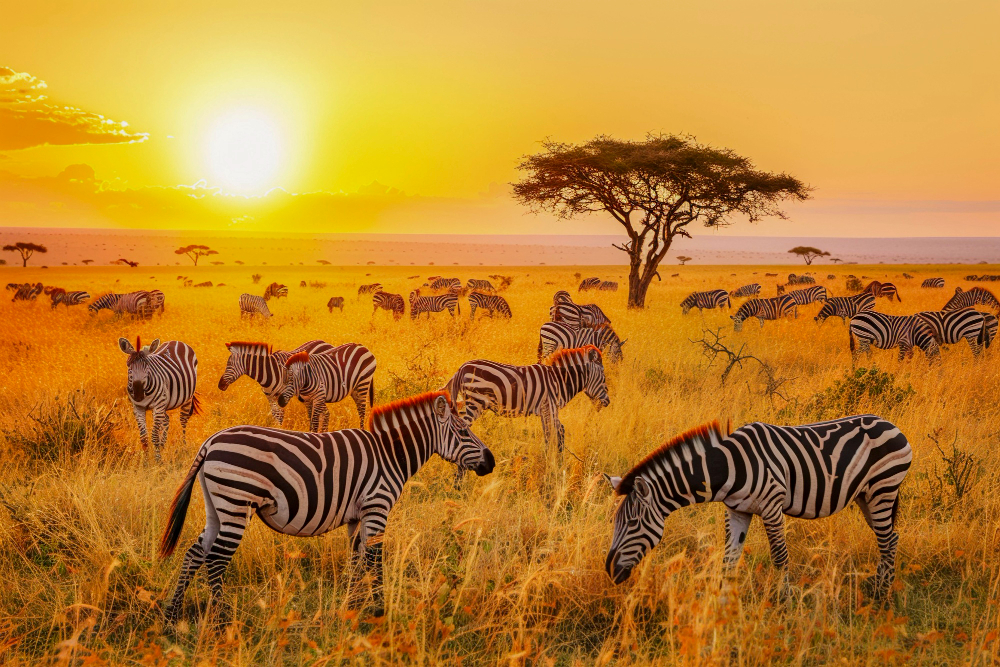
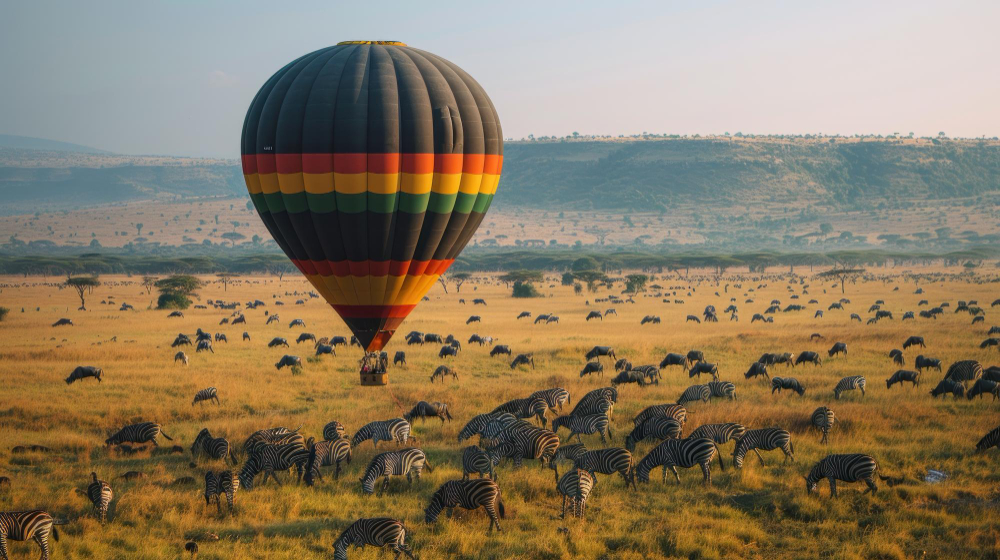
Why Visit? The Serengeti offers incredible wildlife viewing even in the wet season, with fewer crowds and lush landscapes.
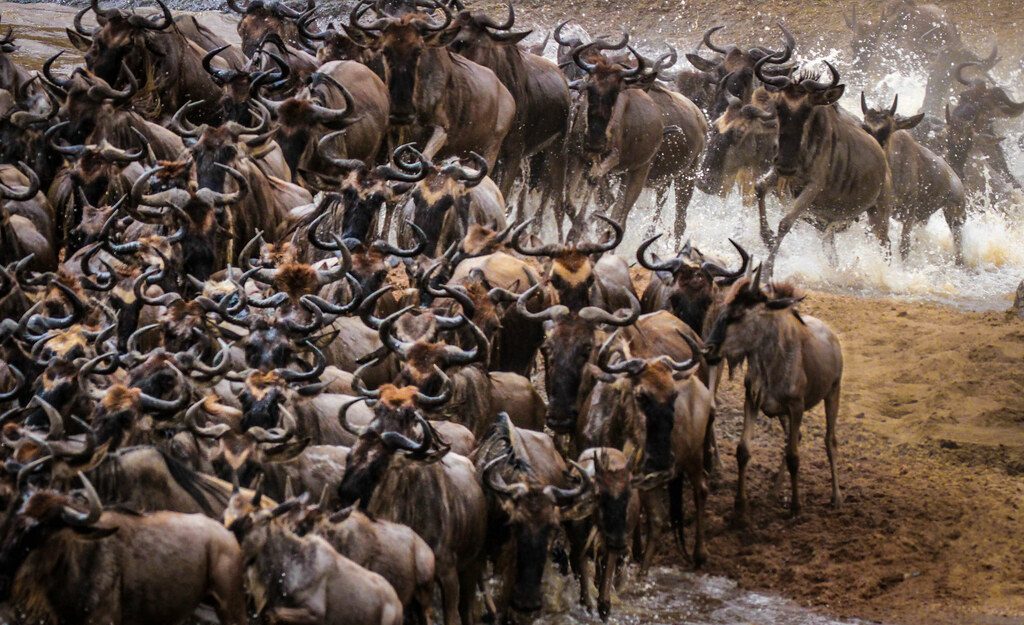
Highlights: Wildebeest migration (varies by season), big cats, and birdwatching.
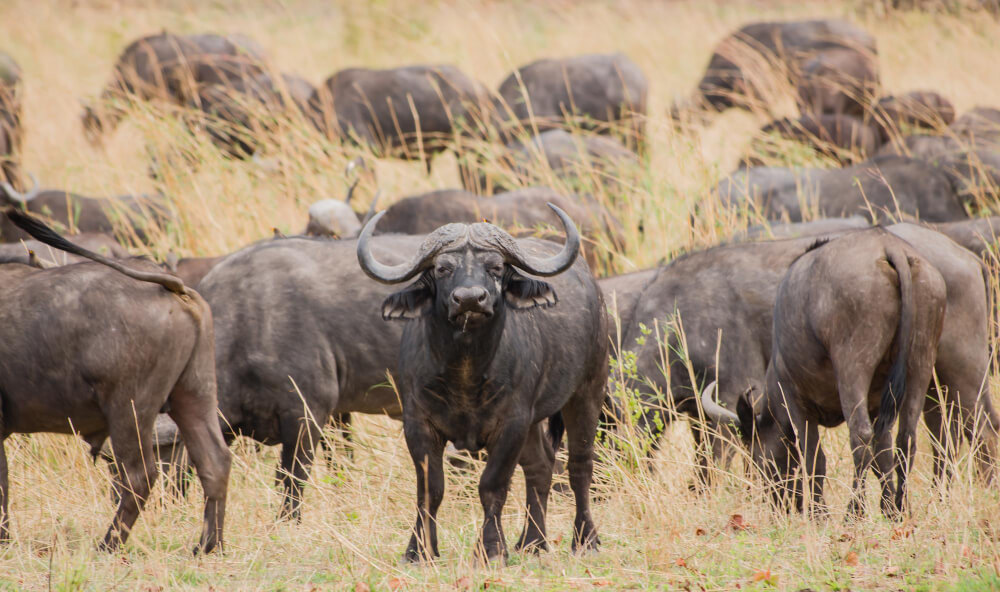
Why Visit? A UNESCO World Heritage Site with dense wildlife populations, including the Big Five.
Highlights: Stunning crater views, flamingos at Lake Magadi, and cultural visits to Maasai villages.
Why Visit? Famous for tree-climbing lions and diverse bird species.
Highlights: Canoe safaris, waterfall hikes, and alkaline lake views.
Why Visit? Less affected by rain, with open grasslands resembling the Serengeti.
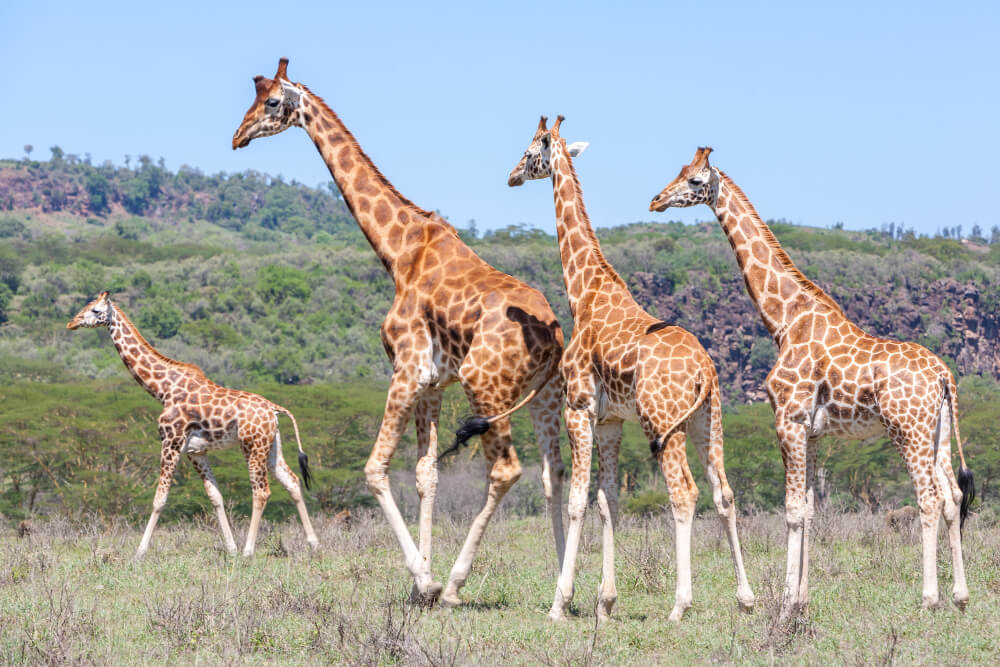
Highlights: Zebras, giraffes, and hippos at the Mkata Floodplain.
Why Visit? Combines beach and bush, accessible year-round.
Highlights: Boat safaris, sea turtles, and relaxed beach stays.
To avoid closures and enjoy optimal wildlife viewing, plan your visit around these seasons:
Best for: Safaris in Serengeti, Tarangire, Ruaha, and Ngorongoro.
Advantages: Easy wildlife spotting, minimal rain, and great migration views.
Best for: Calving season in the Serengeti’s Southern Plains.
Advantages: Fewer tourists, excellent predator action.
Best for: Lower prices and lush scenery.
Considerations: Some parks may have accessibility issues.
To ensure a seamless safari experience:
Check Park Websites: Tanzania National Parks Authority (TANAPA) and lodge operators update closure notices.
Consult a Tour Operator: Reputable agencies adjust itineraries based on park accessibility.
Be Flexible: Have backup parks in case of unexpected closures.
Travel Insurance: Covers trip changes due to park closures.
While Tanzania’s national parks are mostly open year-round, seasonal closures do occur—primarily due to heavy rains and conservation needs. By understanding these patterns and planning accordingly, travelers can still enjoy an incredible safari experience. Whether you visit during the dry season for optimal wildlife viewing or embrace the green season’s tranquility, Tanzania’s wilderness never fails to amaze.